Austria (AIL): Remembering the February Uprising of 1934 in Vienna
We hereby share the translation of a report published on the website of the Coordinating Committee of the Anti-imperialist League.
Powerful demonstration on 12 February: Remembering the February Uprising of 1934 in Vienna
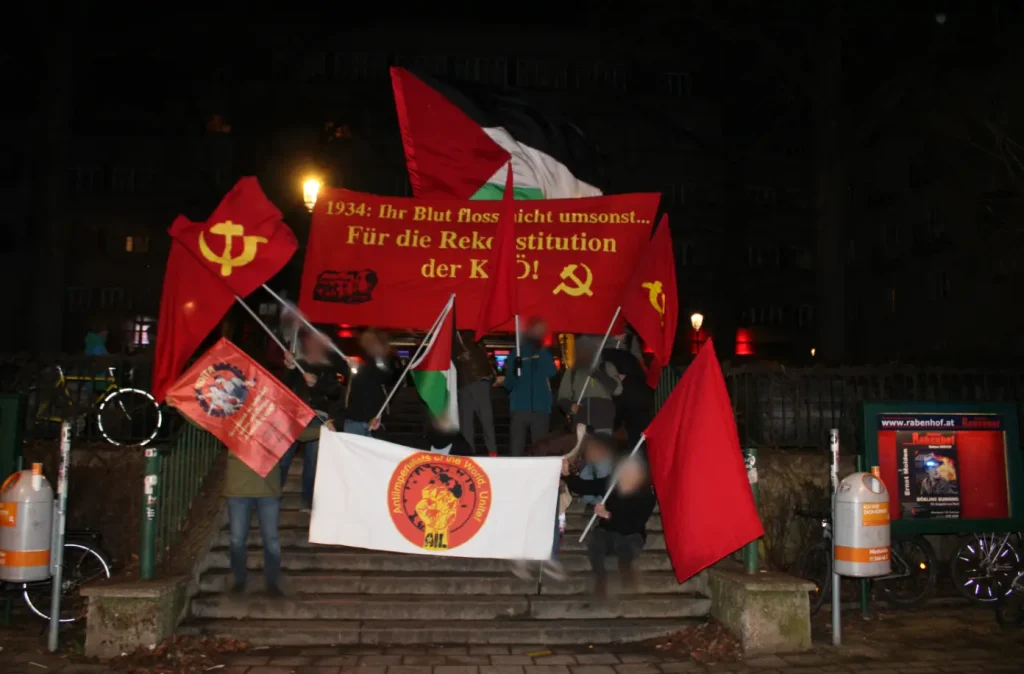
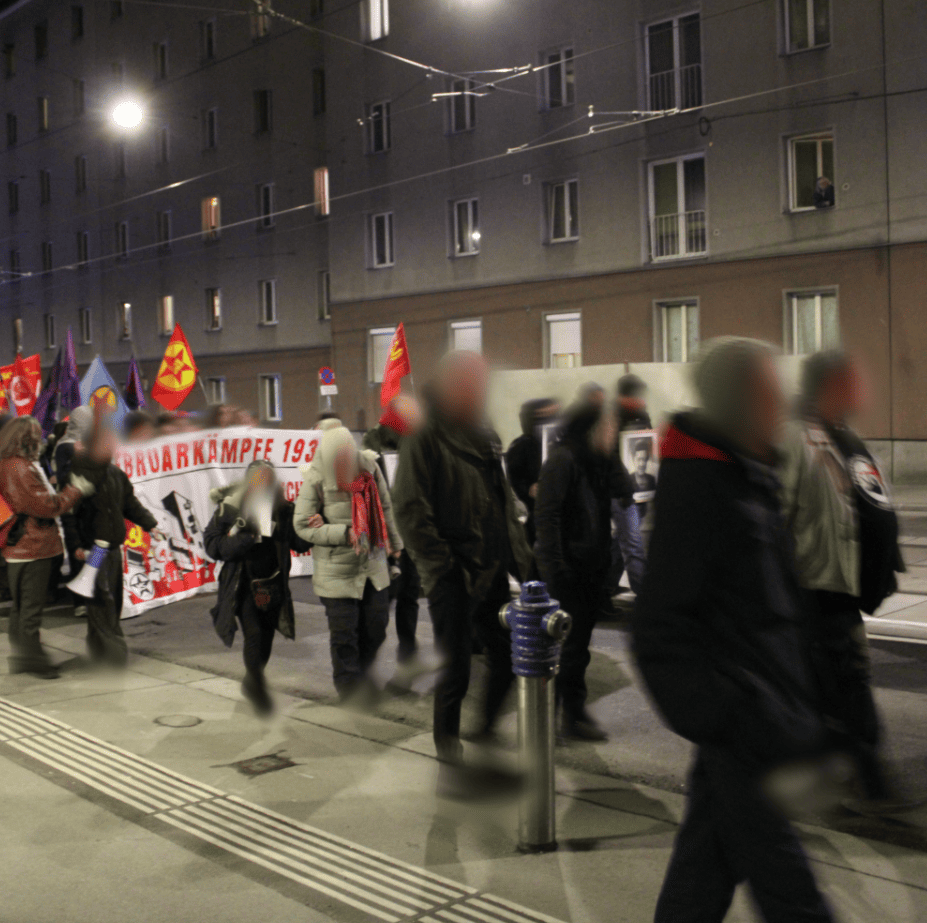
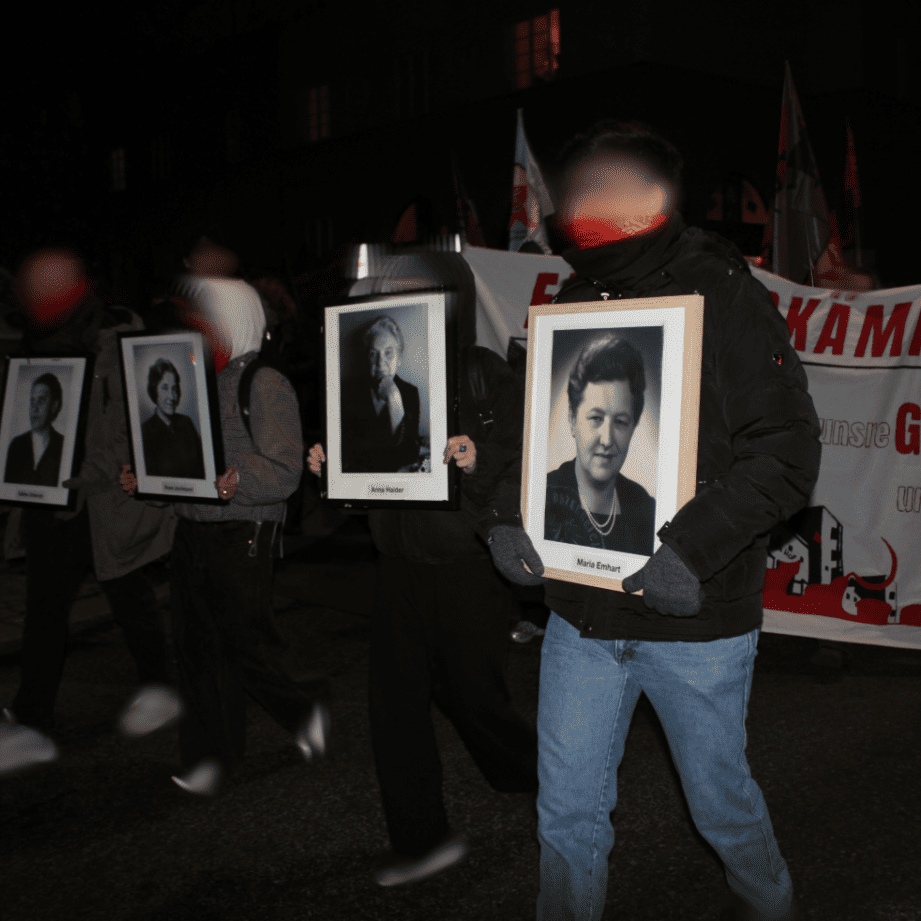
Vienna, 12 February – On the 92nd anniversary of the February Uprising of 1934, a powerful demonstration with around 400 participants marched through the streets of the third district. Under the slogan ‘To remember is to fight’, the resistance of the working class against Austrofascism was commemorated and at the same time, a link was made to today’s social and political struggles.
Through Vienna’s historic working-class neighborhoods
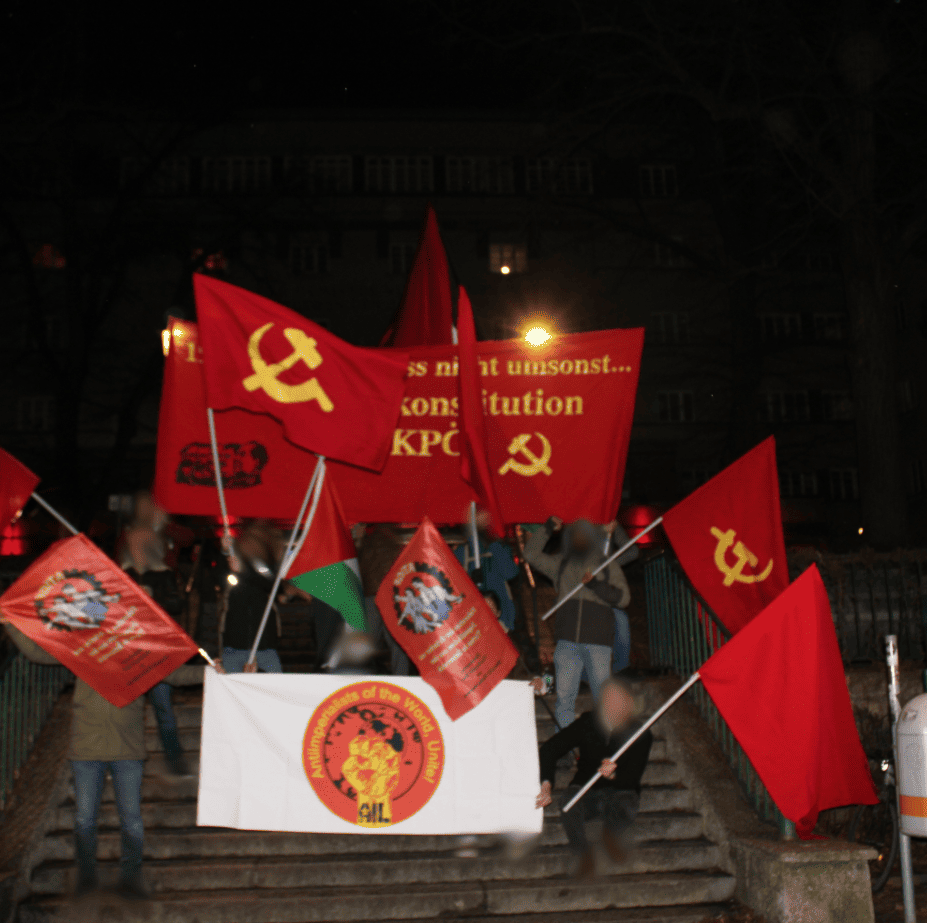
From Kardinal-Nagl-Platz, the demonstration led through the traditional municipal housing estates and residential areas to the Rabenhof, a historic site of the 1934 battles.
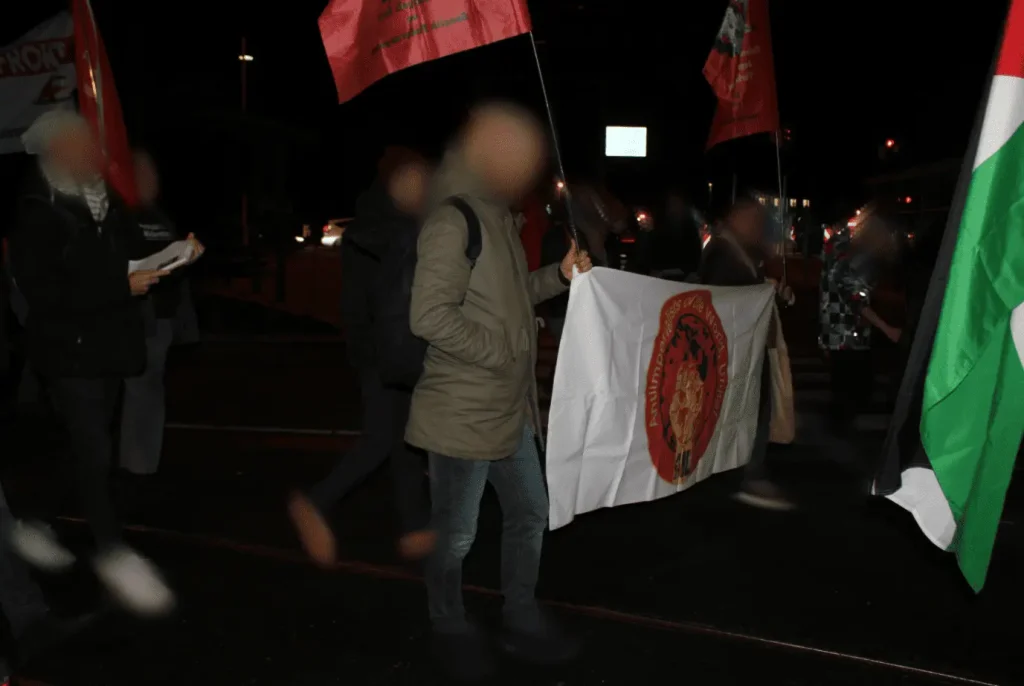
Slogans echoed loudly through the narrow streets, accompanied by a sea of red flags. Many residents showed their solidarity and welcomed the procession from their windows and balconies.
Cries such as the following could be heard:
The February struggles already showed: Fight for the revolution!’
Don’t believe the lies of the exploiters, it is right to rebel!’
Long live international solidarity!’
Remembrance and current struggles
Several speeches highlighted the historical significance of the February Uprising. The speakers emphasized that the experiences of 1934 are still a warning and a call to action today to take a firm stand against social injustice, fascism and exploitation.
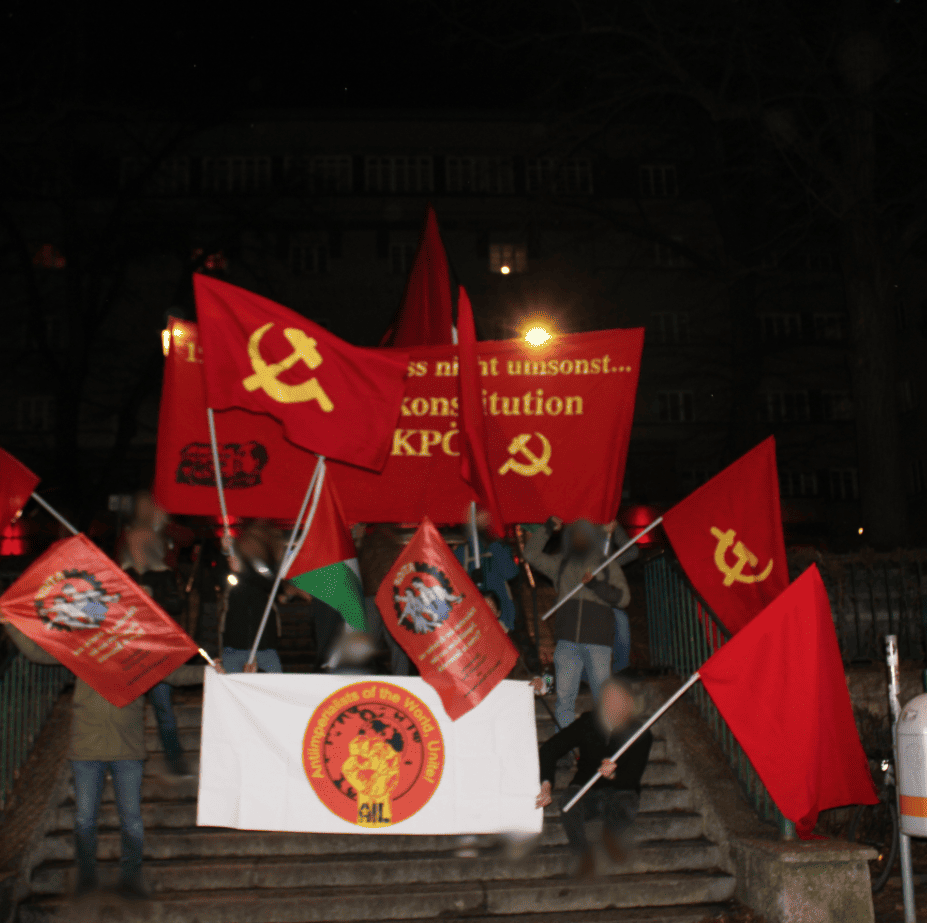
Among the participating organizations was the Coordinating Committee of the Anti-imperialist League, which emphasized in its contributions the connection between the anti-fascist struggle and international resistance to imperialism. Solidarity with the Palestinian liberation struggle in particular was visibly and vociferously emphasized by many demonstrators – with banners, flags and chants.