Volkswagen Plans Further Attacks on German Workers
We hereby share an unofficial translation of an article published by Dem Volke Dienen.
According to various reports, the VW board of directors wants to “cut costs” by around 20 percent across the entire group in the short term. This is said to have been discussed at VW management level in mid-January, as reported by Manager Magazin, among others.
The exact measures are not yet known, but profits are to be increased by €60 billion by 2028. The planned “cost reductions” go far beyond the harsh measures decided in 2024 with the support of the IG Metall trade union, including the dismissal of 35,000 workers. Within the group, there is also talk of ominous “efficiency projects.” In concrete terms, this means increased exploitation and worsening working conditions.
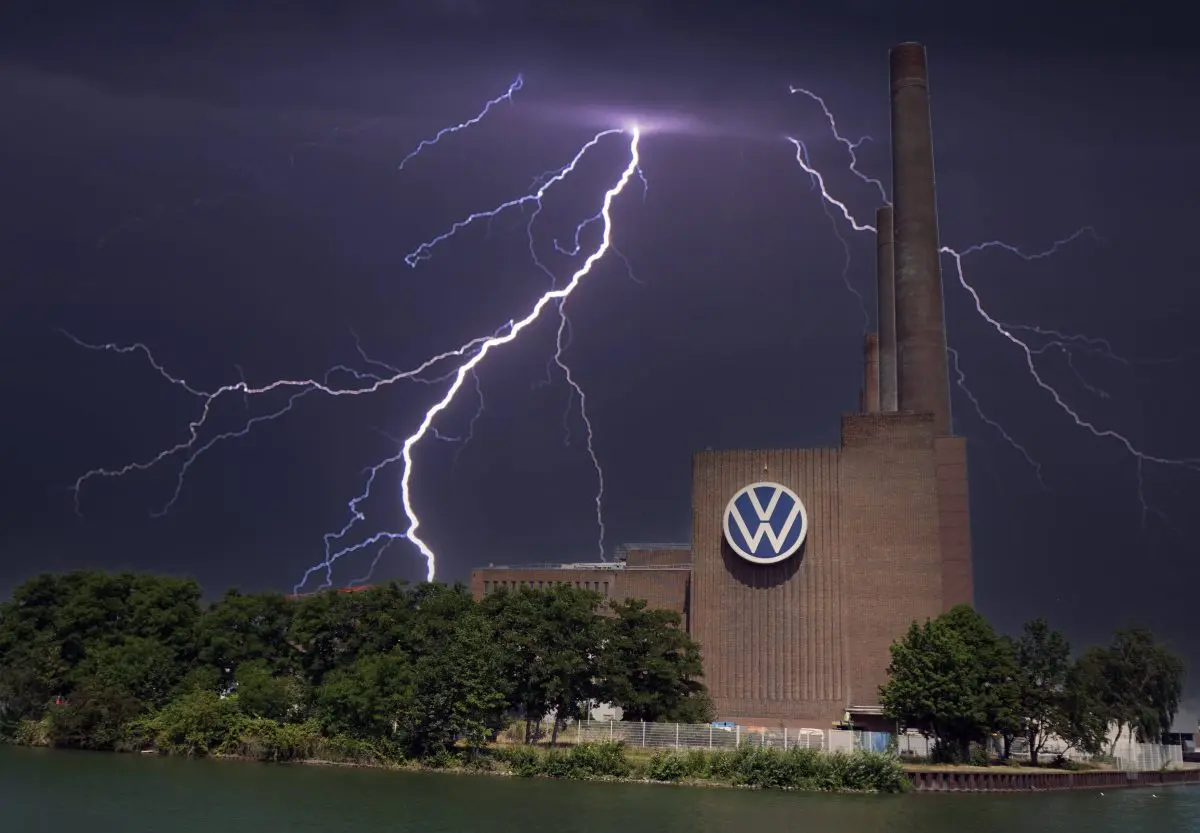
In mid-December 2025, VW closed a plant for the first time in the history of one of Germany’s largest and most important state-owned financial capitalists. On December 16, the last car rolled off the assembly line at the Dresden plant.
The alleged renunciation of plant closures, which IG Metall haggled over in 2024, was a concession to the combative workforce. But for the bosses, these plans were never off the table. The cessation of production in Dresden shows what such negotiation results are worth. Only 230 workers remain at the site, where an “innovation campus” is to be built.
VW employees learned of the plans from the press. However, they appear to be reacting calmly to the vague announcements. At the same time, however, colleagues are clearly expressing their willingness to strike and their rejection of the machinations of the yellow union officials.
Members of the works council played down the new plans as a “description of the current situation” in the implementation of the program adopted in 2024 – this is a deliberate deception of their colleagues.
VW recently attracted attention with an accounting sleight of hand that inflated its cash flow (bourgeois economy: a business indicator that compares cash inflows and outflows within a certain period of time to show the liquidity of an economic entity) was suddenly increased from zero to six billion. Rating agencies had increased pressure on Volkswagen, threatening to downgrade the group’s credit rating. This would have led to higher interest rates for VW.
This would have been particularly bad for VW’s planned mega-project in Hefei, China, around 500 km west of Shanghai, where Volkswagen is planning a “second Wolfsburg.” Capital export and extra profit seem to be the solution to VW’s problems.
We have previously reported on Volkswagen’s attacks on workers. Read more below: