An Important Report
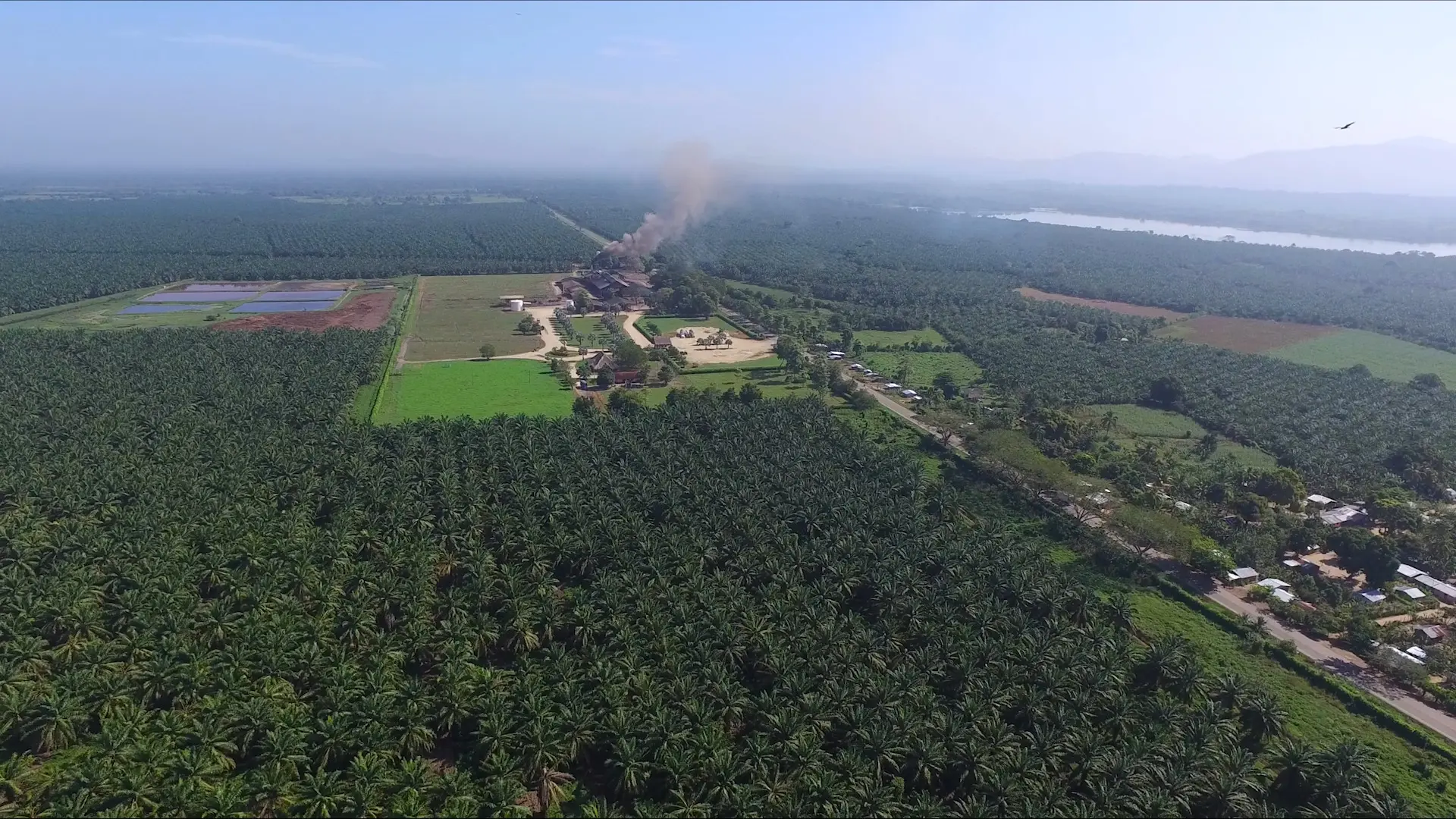
Featured image: Agrarian territory in Colombia. Source: Getty Images.
An important report has recently been published, titled “The Status of Land Tenure and Governance”. The report has obviously been prepared by reactionary institutions, but anyways present data of great importance to understand the full and increasing importance of the struggle for land of the peasants, mainly the poor peasants, in the world.
The report has been prepared by the Food and Agriculture Organization of the United Nations (FAO), the International Land Coalition (ILC), and the Centre de coopération internationale en recherche agronomique pour le développement (CIRAD). The report, was presented in the International Conference of the Agrarian Reform and Rural Devleopment +20, which took place from the 24th to the 28th of February in Cartagena de Indias (Colombia).
The report states:
More than 1.1 billion people, about 23 percent of the global adult population, feel land-insecure and consider it likely or very likely that they could lose the rights to some or all of their land and housing within the next five years.
Between 2020 and 2024, the share of the global adult population who reported feeling insecure about their rights for any land and housing property increased from 19 percent to 23 percent.
[…]
[…]
Extreme land inequalities
The largest farms (over 1 000 ha) manage more than half of the world’s farmland, even though they represent just 0.1 percent of all farms.
On average, the largest 10 percent of landholders manage 56 percent of land. Estimated aggregating globally across countries, they control about 89 percent of land.
Globally, 400 million agricultural holdings (85 percent of all farms) are smaller than 2 ha and account for only about 9 percent of total farmland. The smallest 40 percent of landholders operate just 6 percent on average, which amounts to just over 1 percent when estimated aggregating globally.
When factoring in tenure security, inequality increases even further. When only documented or alienable land rights are considered, land inequality increases across all assessed countries; in three out of 13 African countries assessed, the top 10 percent of holdings control all documented land, while the bottom 40 percent have none – a pattern evident in 50 percent of the African countries.
Corporate and financial companies account for 70 percent of large-scale land transactions, with pension funds making up 51 percent. 73 percent of these entities operate on a shareholder basis.
The full report can be read here.