Brazil: Indigenous Peasants Retake their Land and Establish the Tikuein Iratxó Indigenous Territory
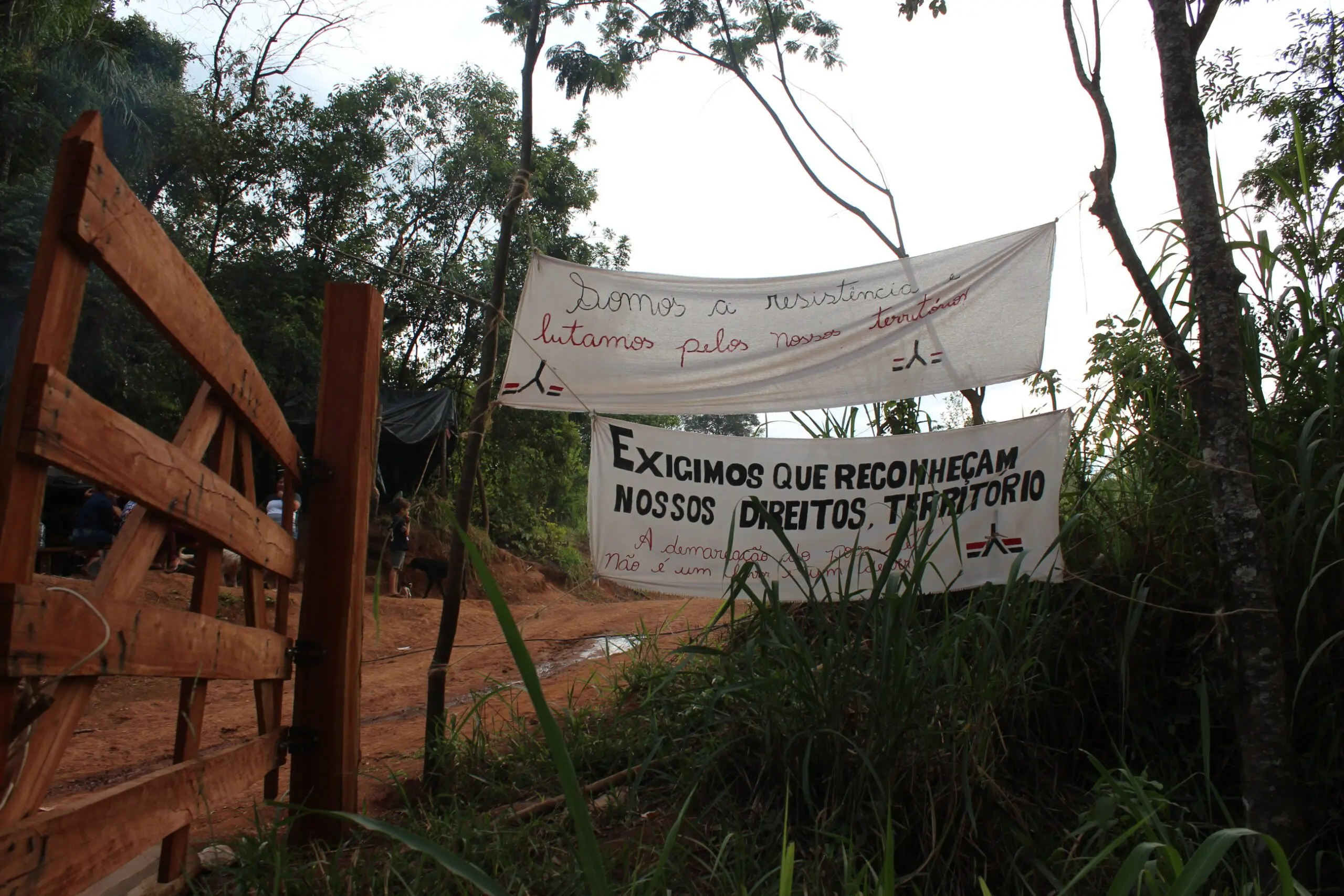
Featured image: The occupation marks the combative stance of the Xetá people and demands recognition of their rights and territory in Paraná. Photo: AND.
On the dawn of January 6th, 36 indigenous peasant families carried out a historic occupation and founded the Tikuein Iratxó Indigenous Territory, in the district of Terra Nova, in São Jerônimo da Serra, in northern Paraná. The occupation comes as a response to having waited 25 years for the demarcation of their ancestral territory of the Herarekã Xetá Indigenous Territory located in the Serra dos Dourados, A Nova Democracia (AND) reports.
During Bento Munhoz da Rocha’s state government in 1951, the Brazilian Immigration and Colonization Company (Cobrimco), belonging to the Bradesco group, came to hold the rights over the Xetá lands, and from then on the genocide of the indigenous people was driven with great force – kidnapping of children, poisonings, disappearances, murders, and attacks by goons had the political, legal, and cultural backing of the old State to occur.
AND writes: “This is the first time the Xetá have carried out a takeover since the genocide that exterminated the vast majority of their people and forced the survivors into exile. By establishing the occupation, the Xetá are transforming decades of waiting imposed by the bureaucracy of the old State into direct action, consciously taking the combative path of retaking their territory in the prolonged struggle for land.”
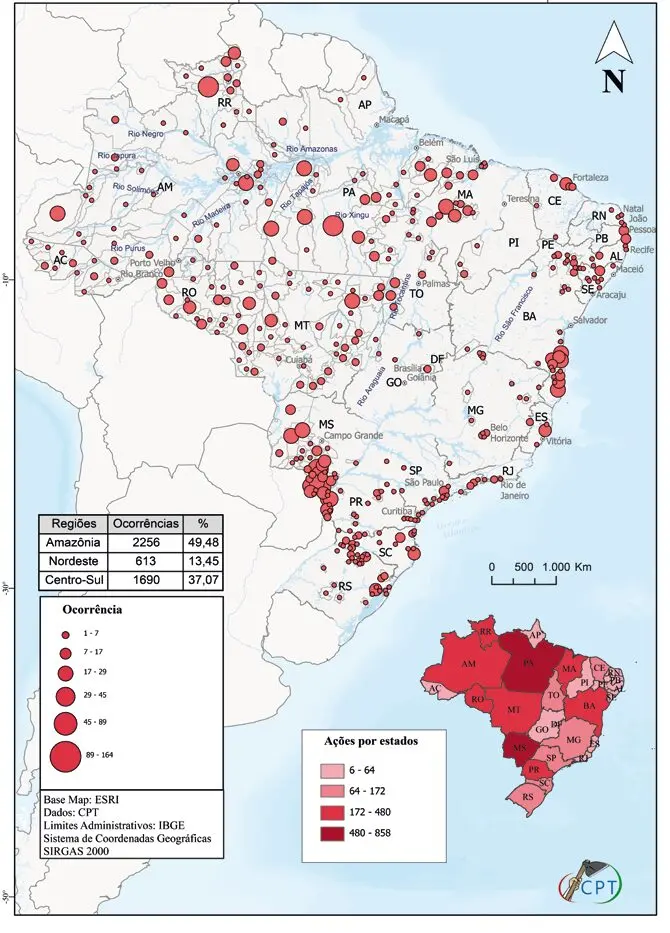
The Pastoral Land Commission (CPT) reports that, between 2019 and 2023, 2,501 land conflicts involving indigenous peoples were recorded in Brazil—a number that the CPT itself acknowledges is underestimated. During the same period, Brazil registered 161 death threats against indigenous people and those involved in the struggle for their rights. A large portion of these incidents occurred precisely in the western region of Paraná, the original territory of dozens of indigenous peoples, including the Xetá people.
In this context, the increasingly prominent trend within the indigenous movement is the combative path of land occupations. The CPT reports that “to reclaim their territories, these peoples act strategically. They produce resistance actions, map their territories, and often carry out their own self-demarcation,”
Despite the typical difficulties of the beginning of an occupation, the Xetá declare themselves very optimistic and happy. The conquest of the territory is a step towards the realization of a great dream of all peoples forced into exile and dispersal — the Xetá now plan to reunite their people under the same land.
AND writes: “Faced with the realization that agrarian reform is a failed promise made by a State whose only commitment is to the old and decadent latifundia and its greatest allies, the big bourgeoisie and imperialist capital, the popular masses are taking upon themselves the task of conquering the land for those who work it. From North to South of the country, indigenous people and peasants, especially the League of the Poor Peasants, have been organizing to carry out victorious land occupations and destroy the latifundia, either through self-demarcation or popular land division, which gives each peasant a piece of land to call their own. The combative and explosive force of the popular masses has already decreed: the old State and the latifundia have their days numbered.”