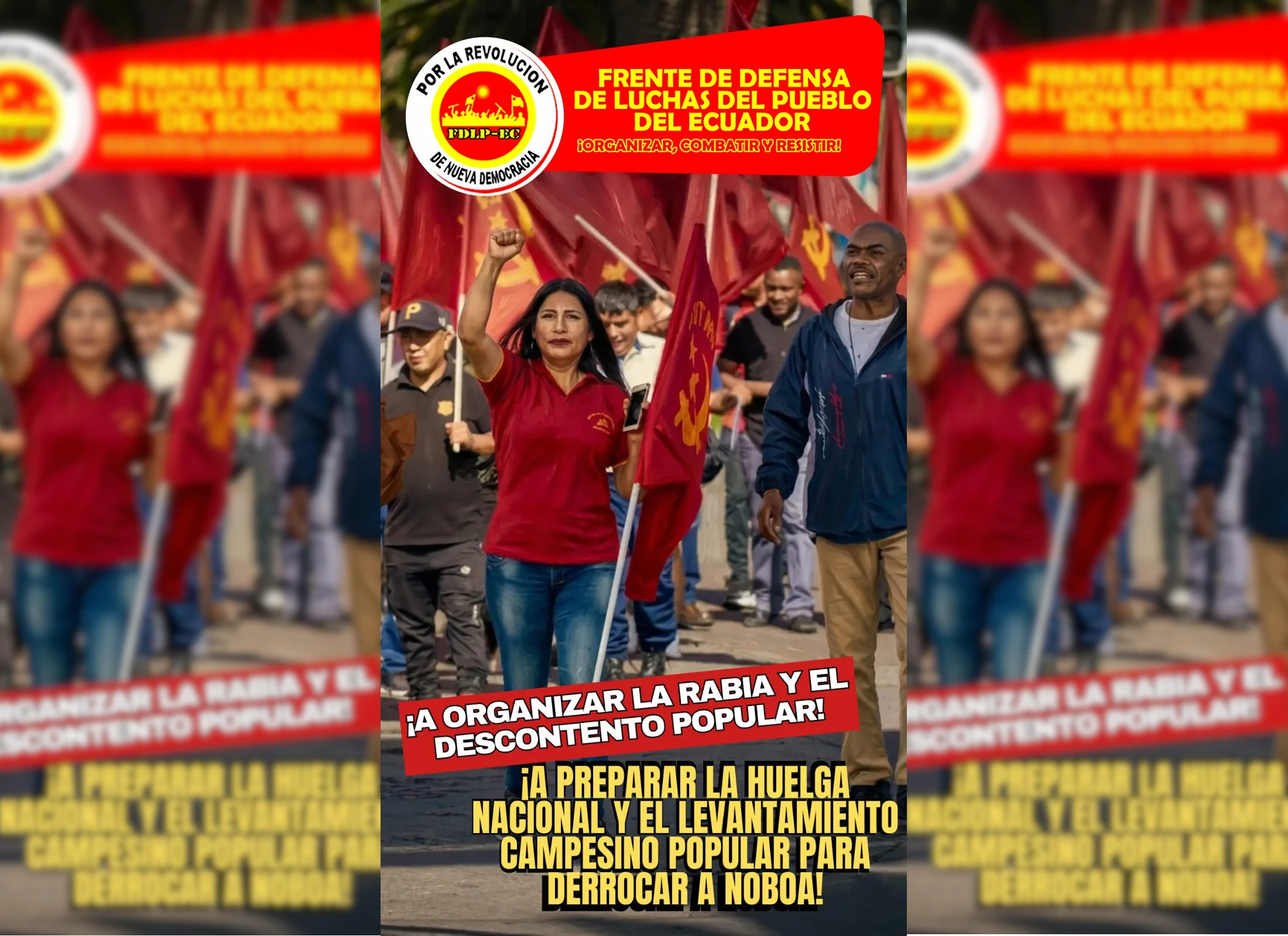
FDLP-Ecuador: Statement-Report on 1st of May
We hereby share an unofficial translation of a 1st of May statement and report published by Defense Front of the People’s Struggles in Ecuador (FDLP-EC) on May 4.
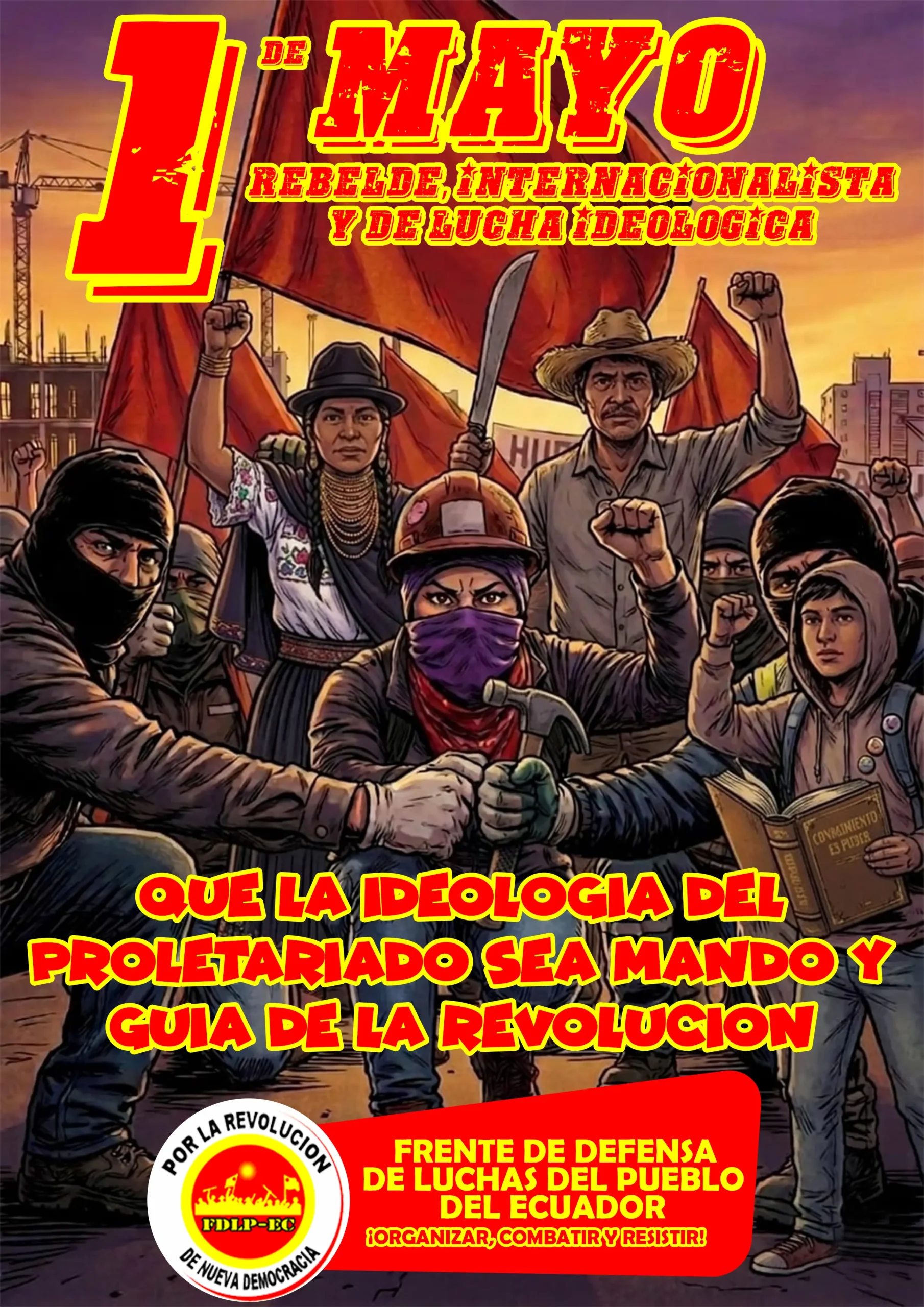
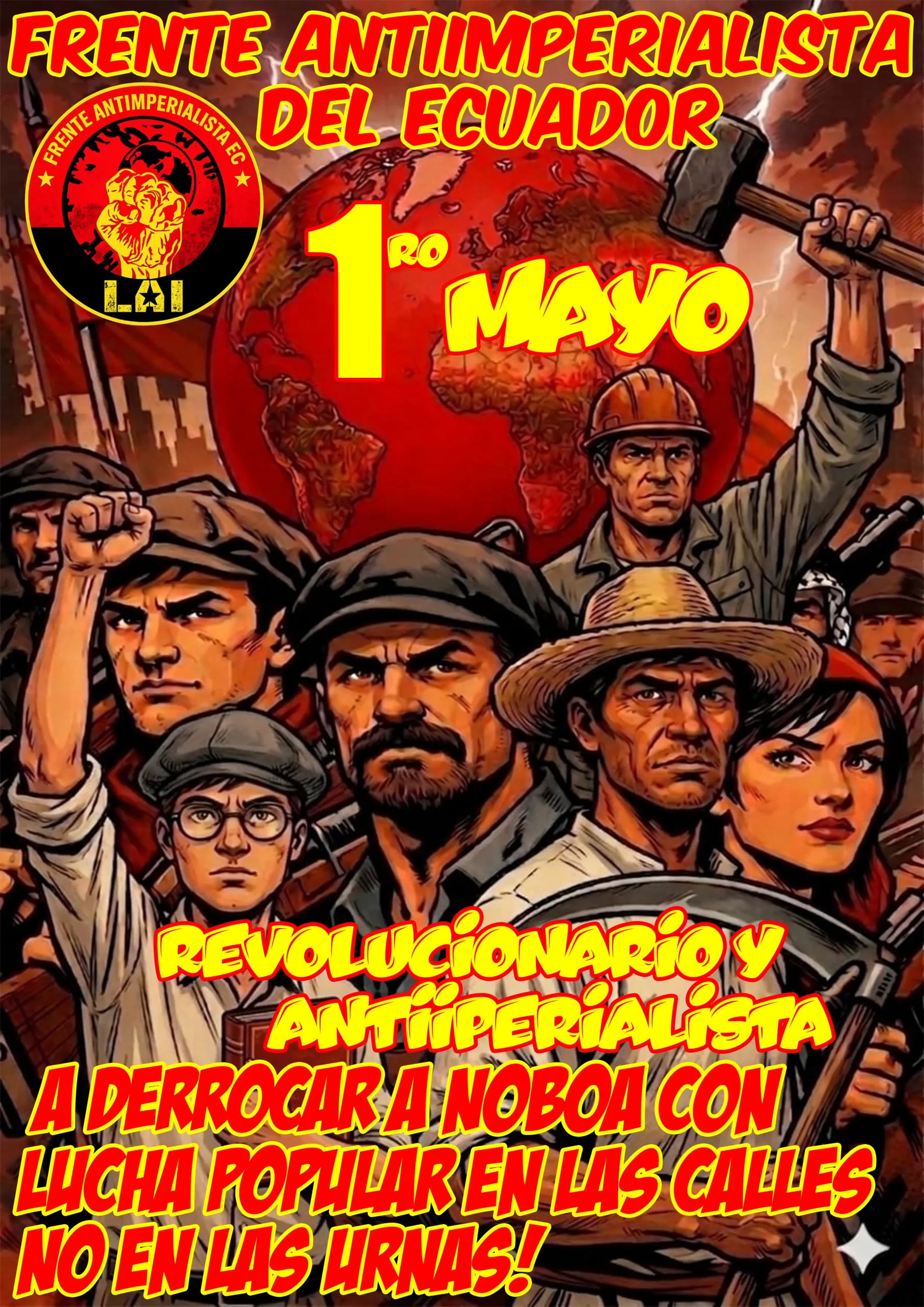
THE 1ST OF MAY MARCH SHOWS THAT THE CONDITIONS TO PREPARE THE NATIONAL STRIKE AND THE POPULAR PEASANTS’ UPRISING TO OVERTHROW NOBOA ARE PRESENT!
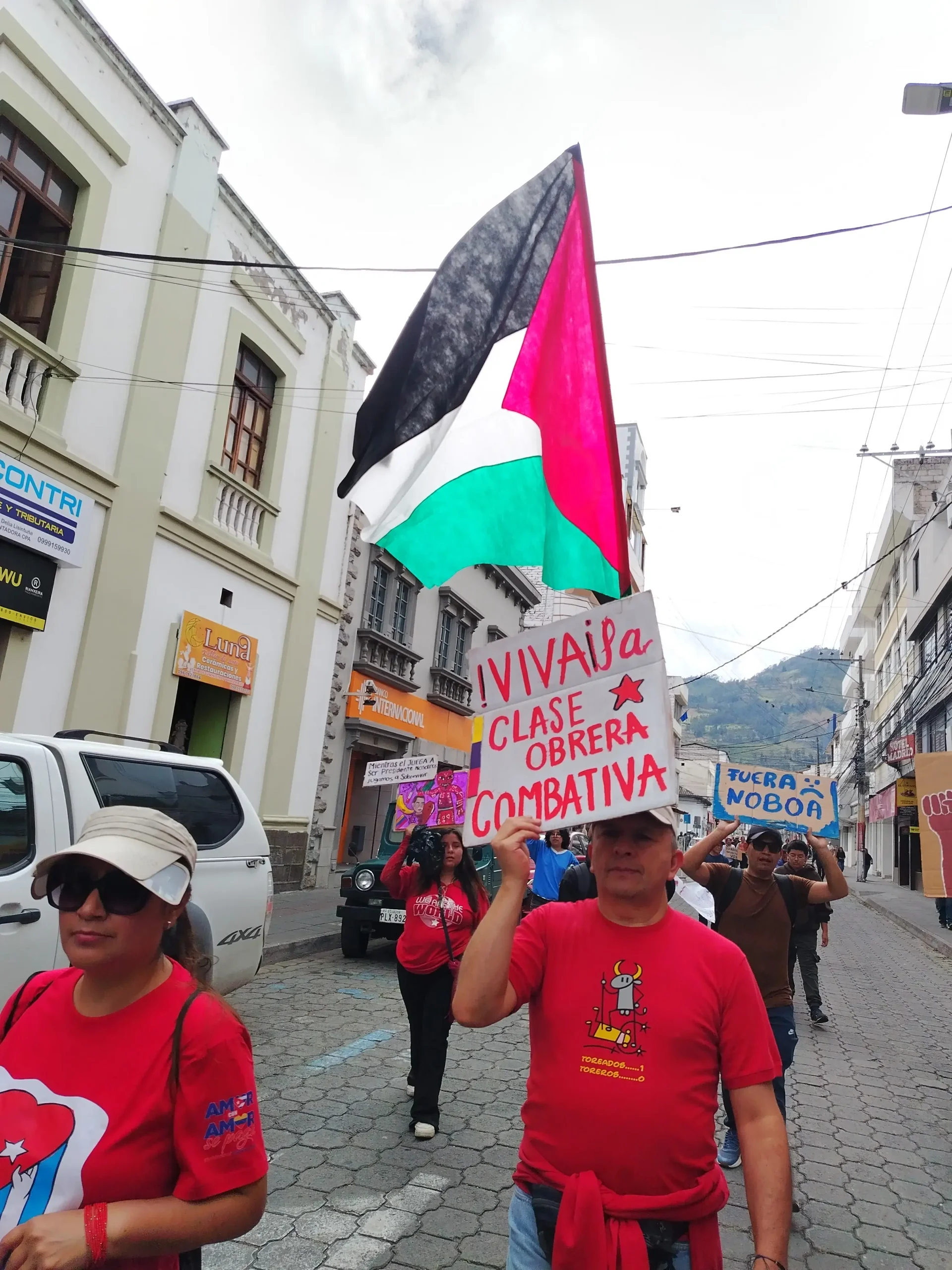
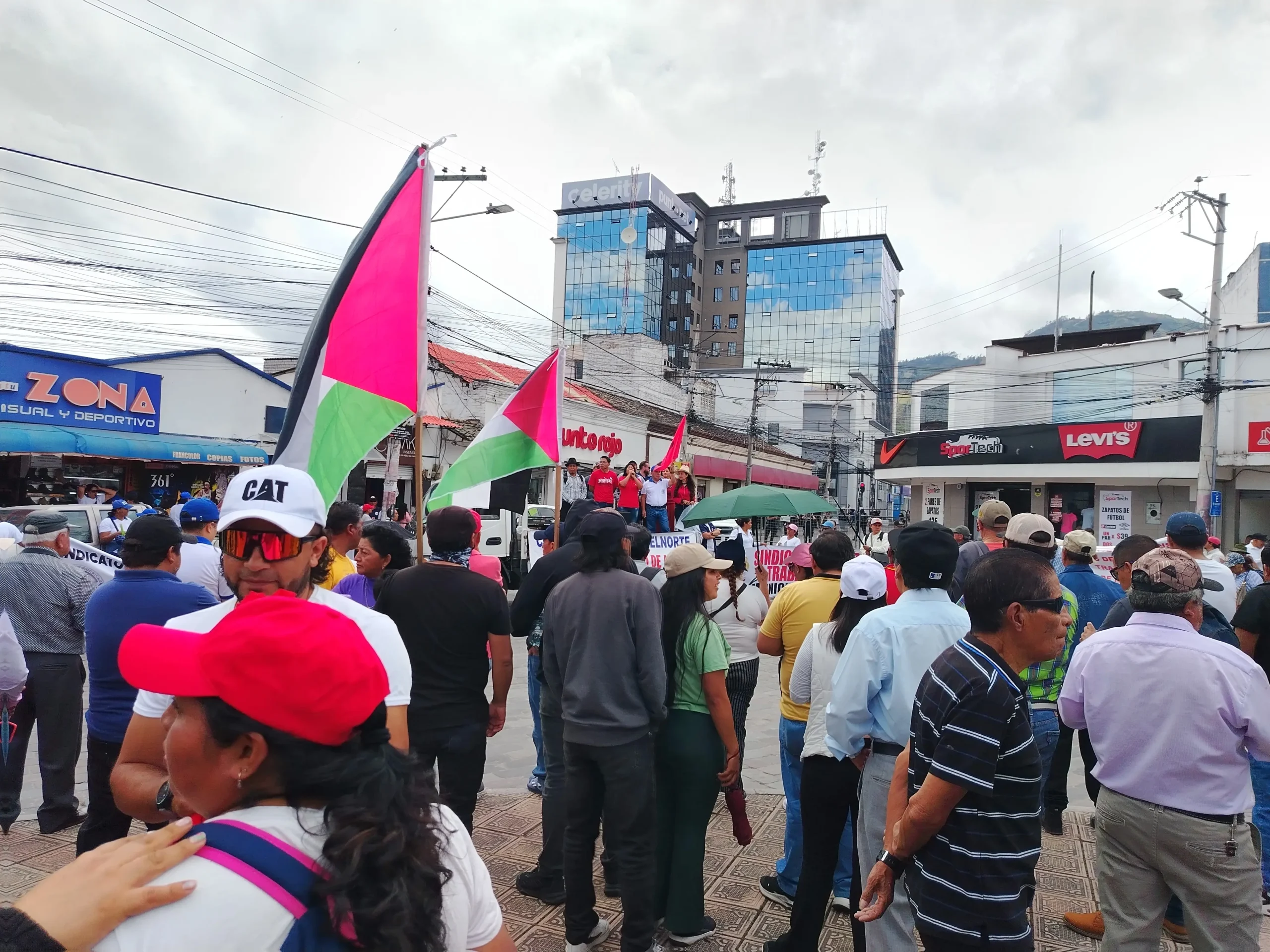
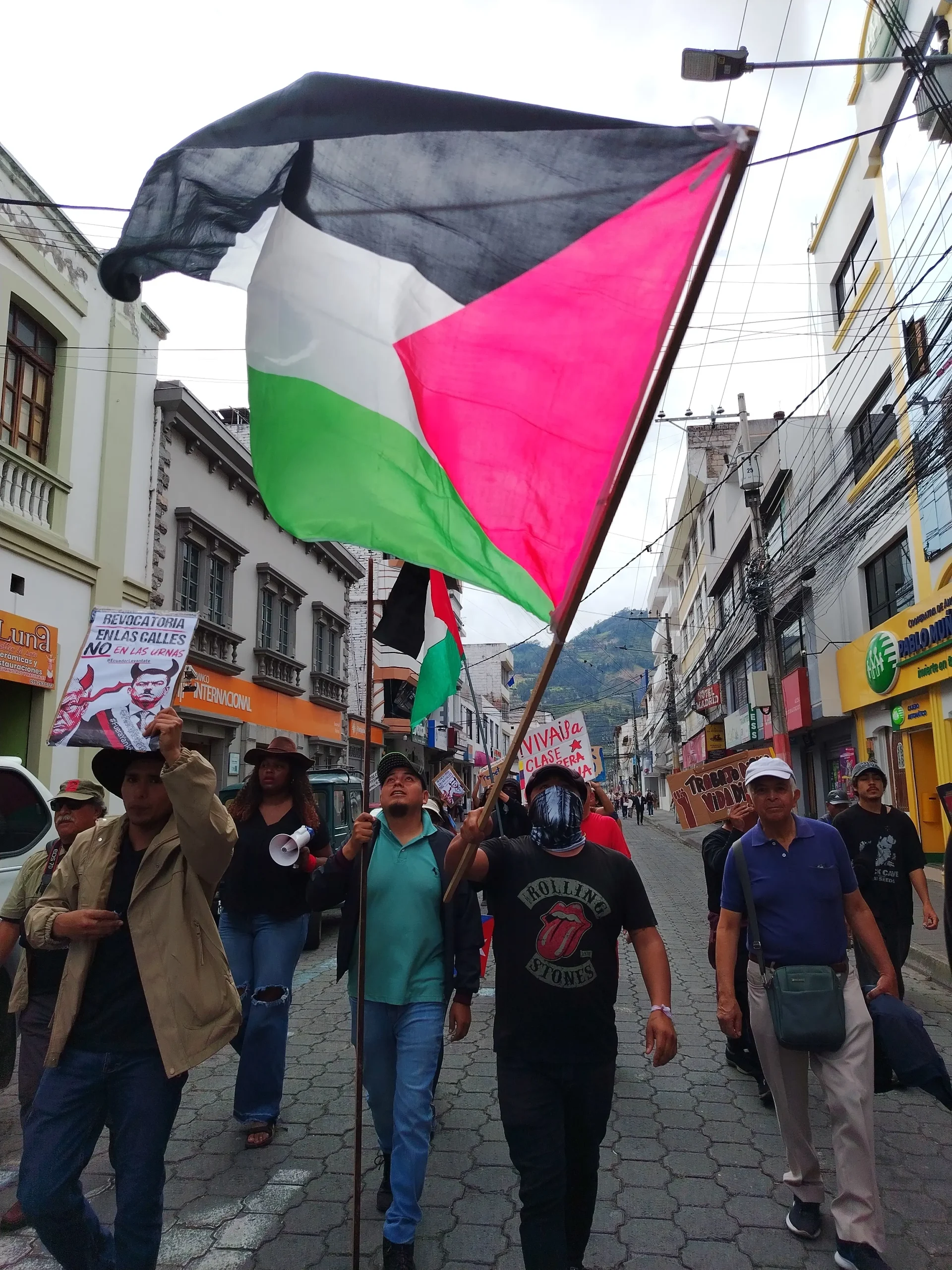
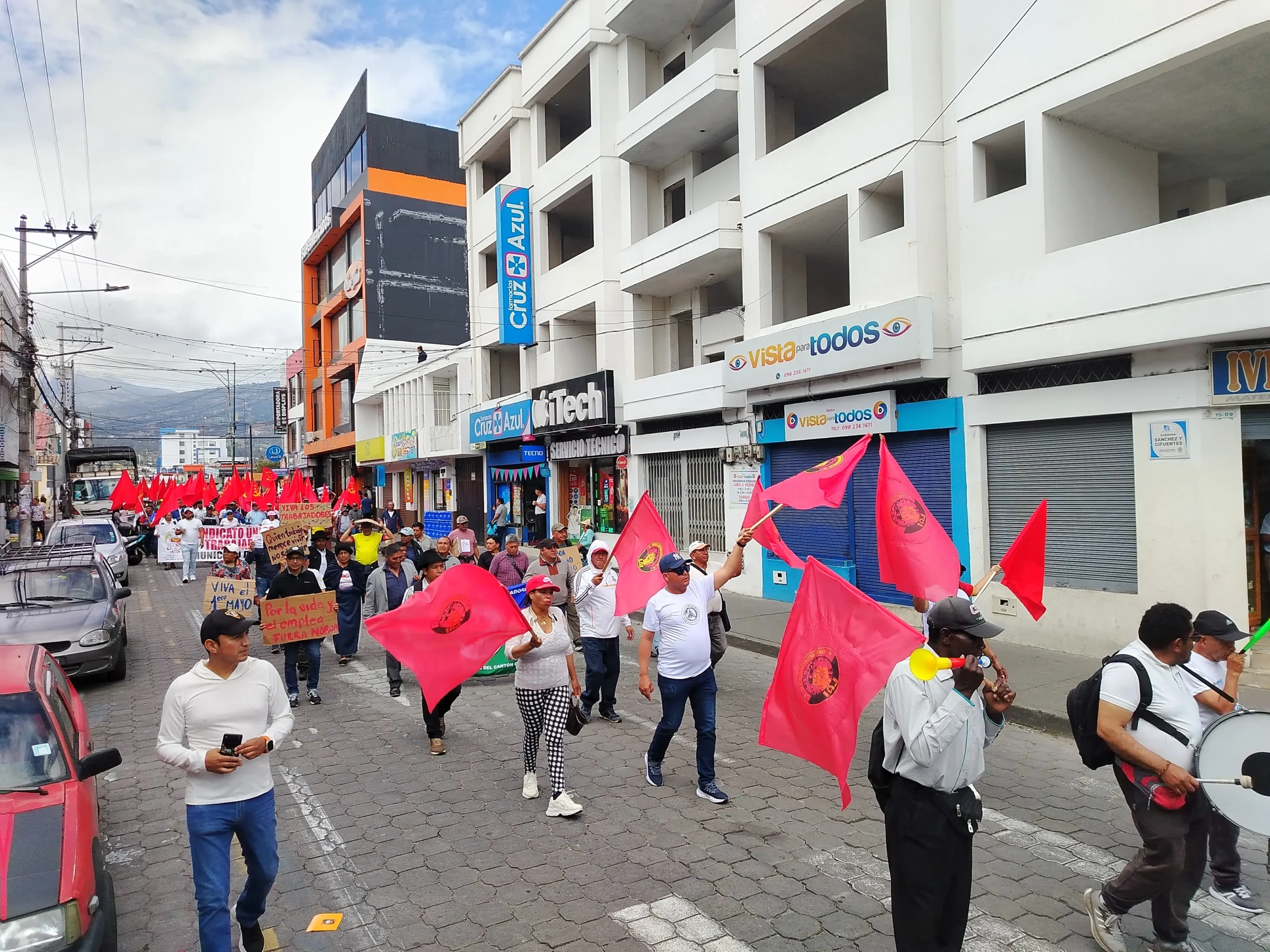
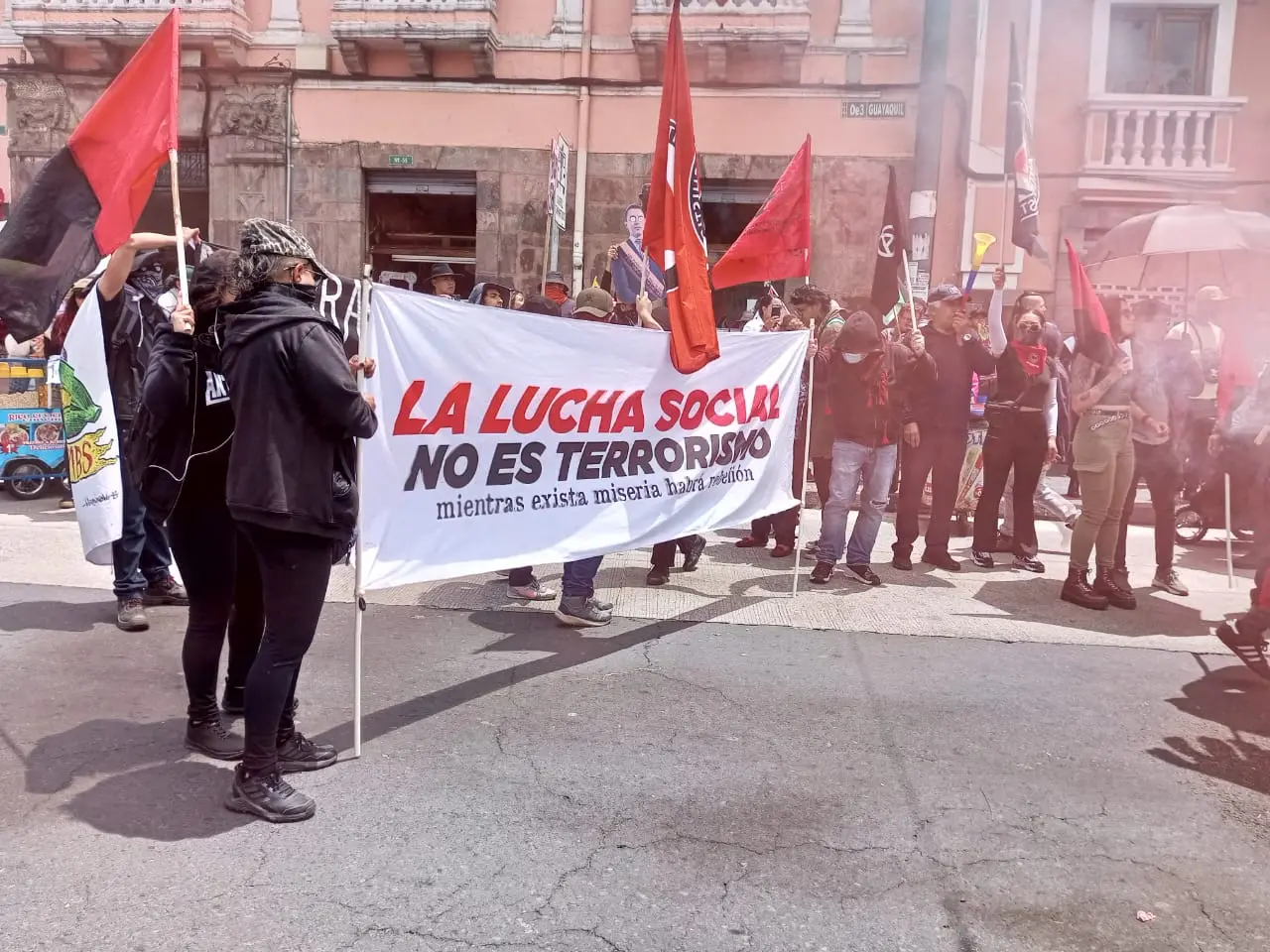
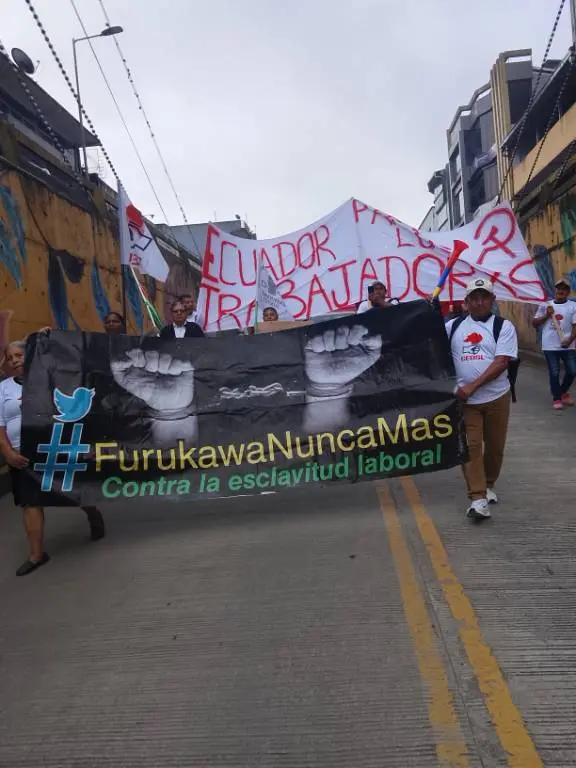
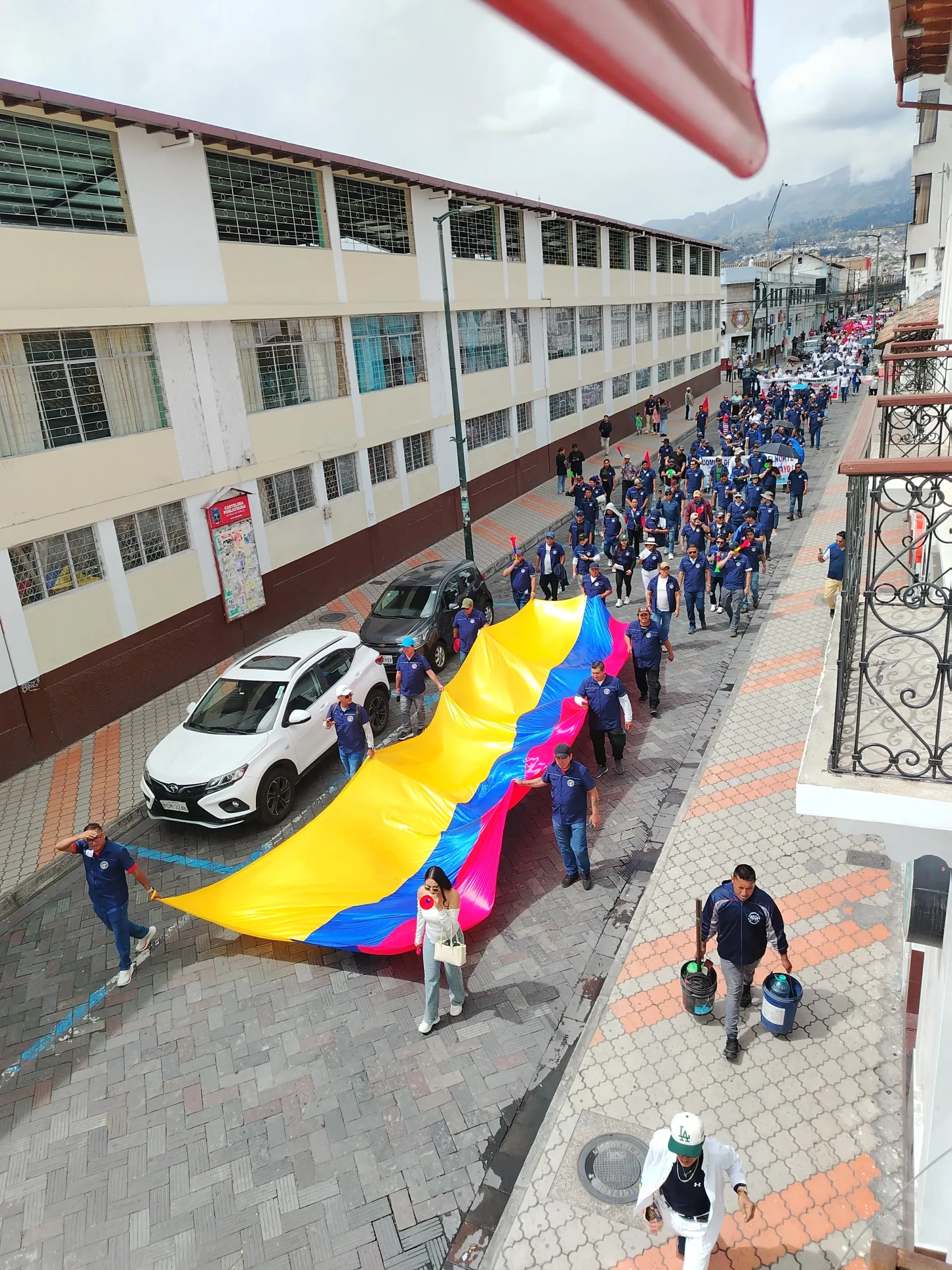
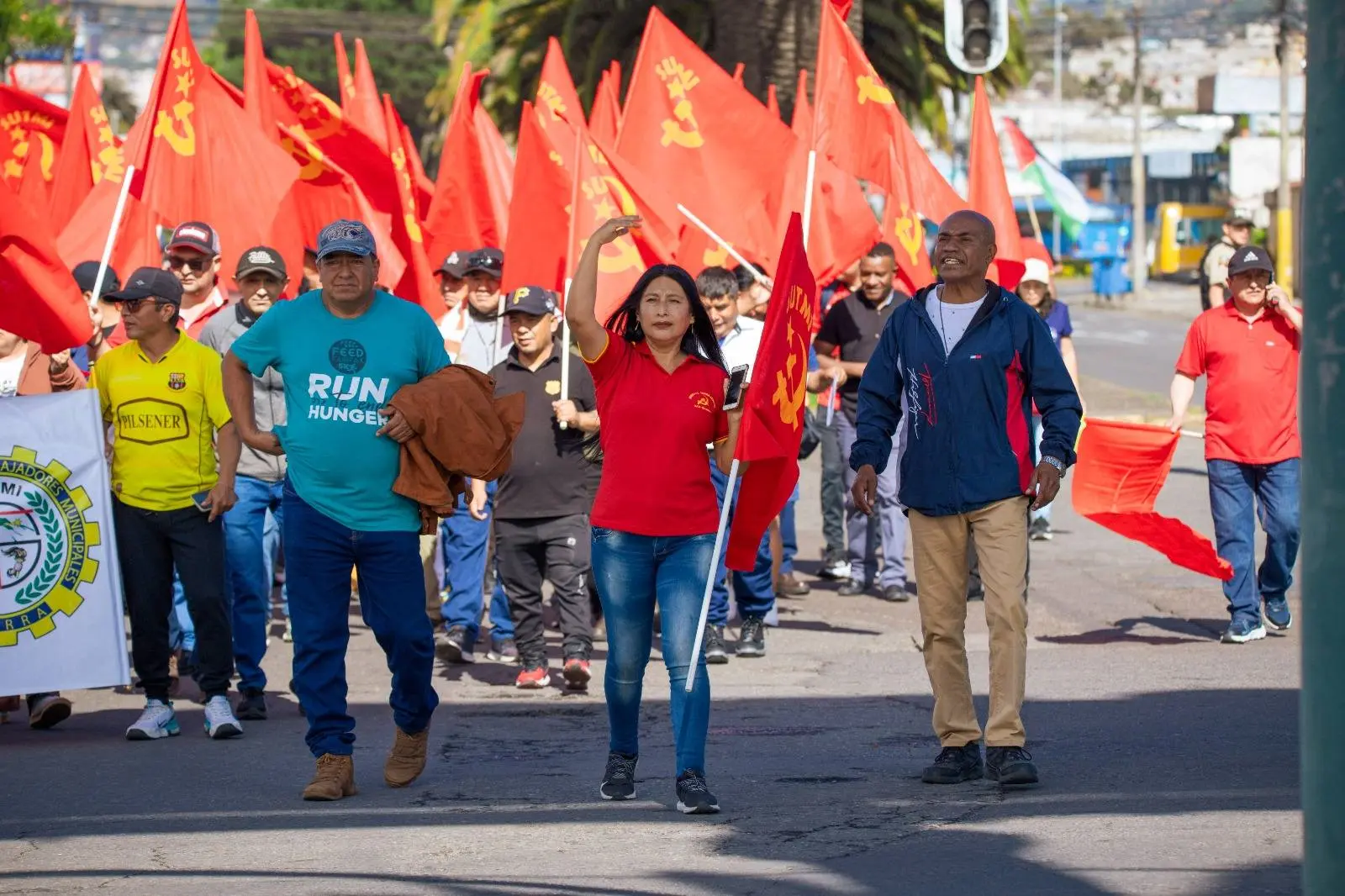
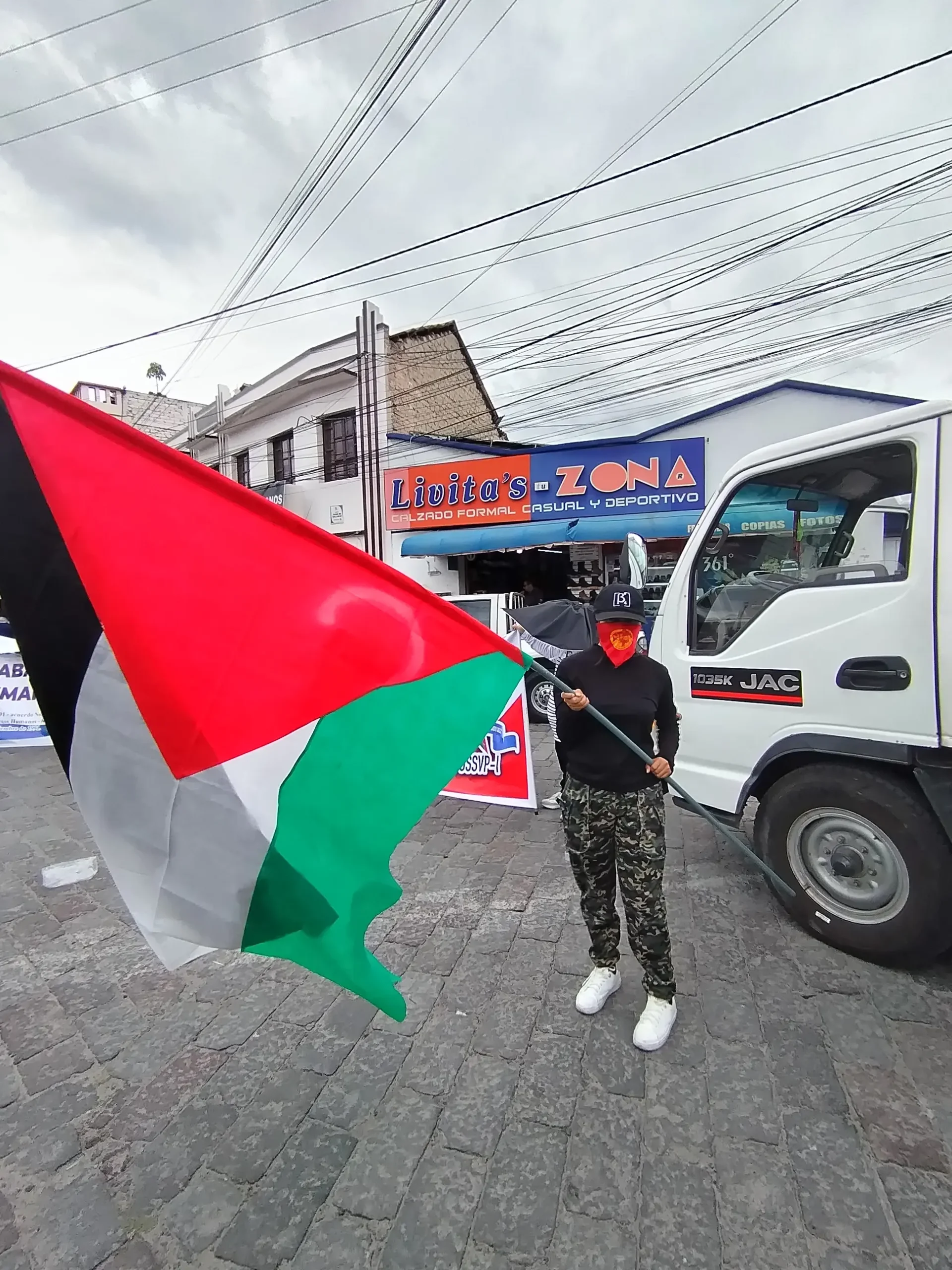
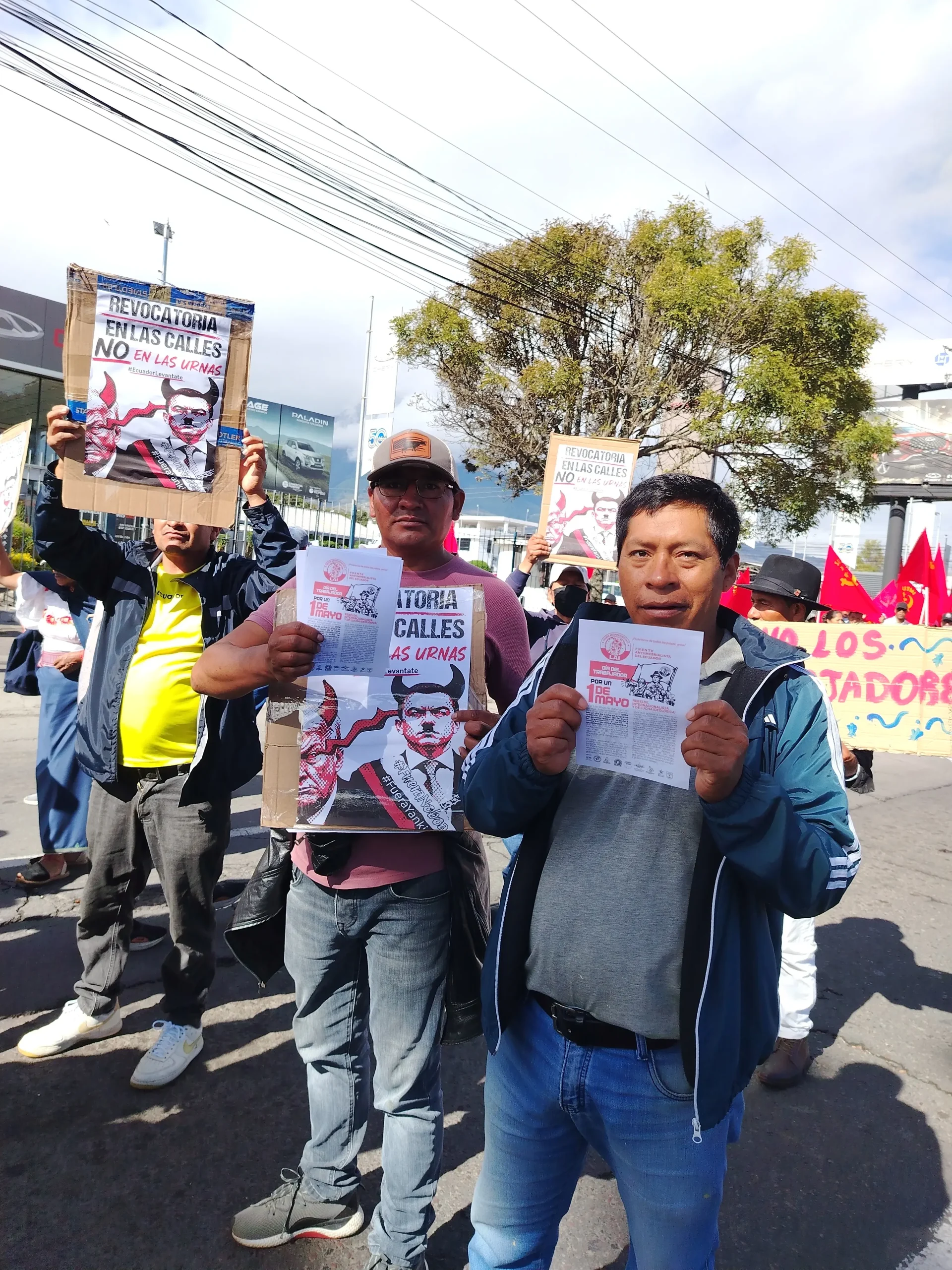
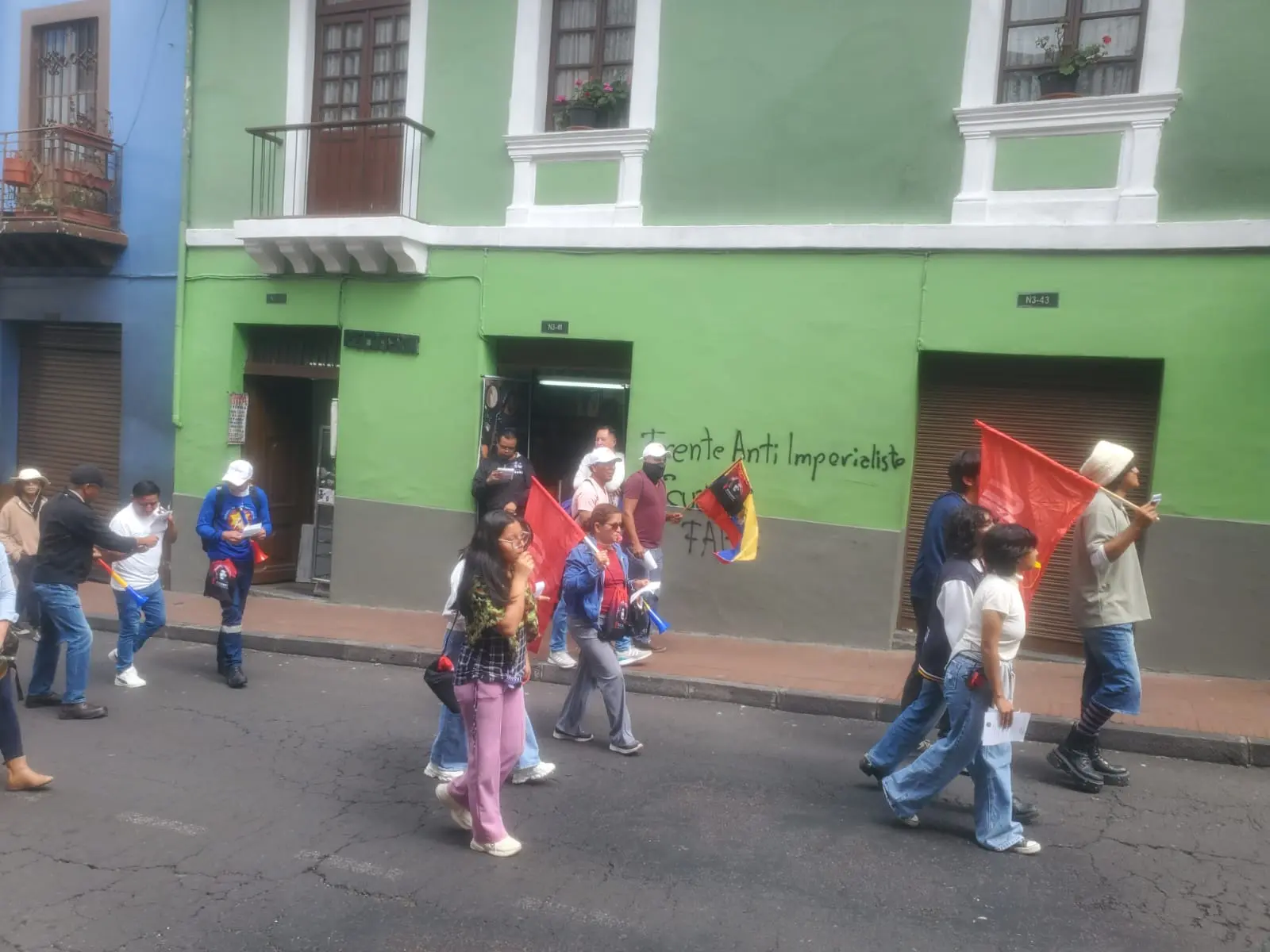
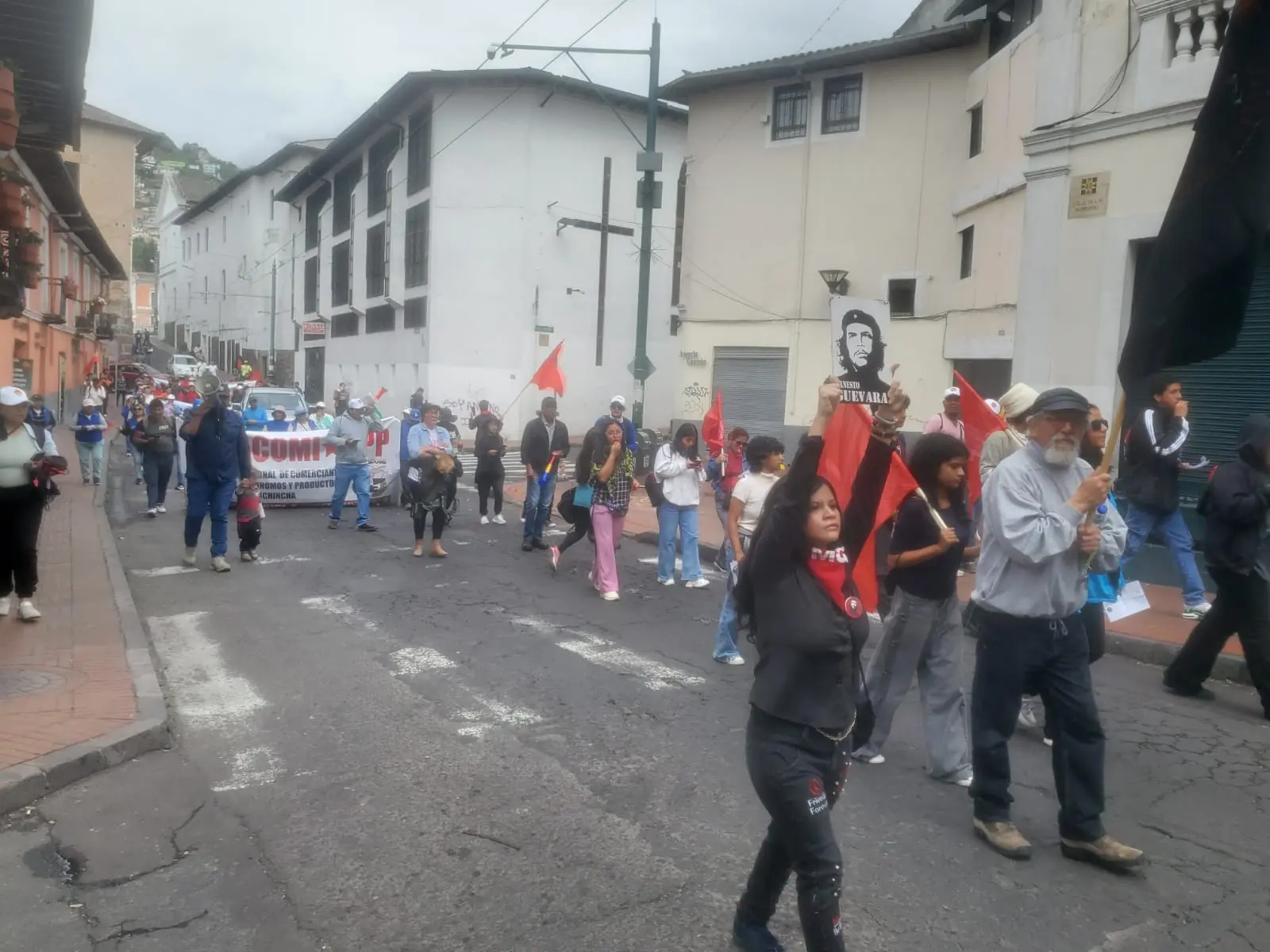
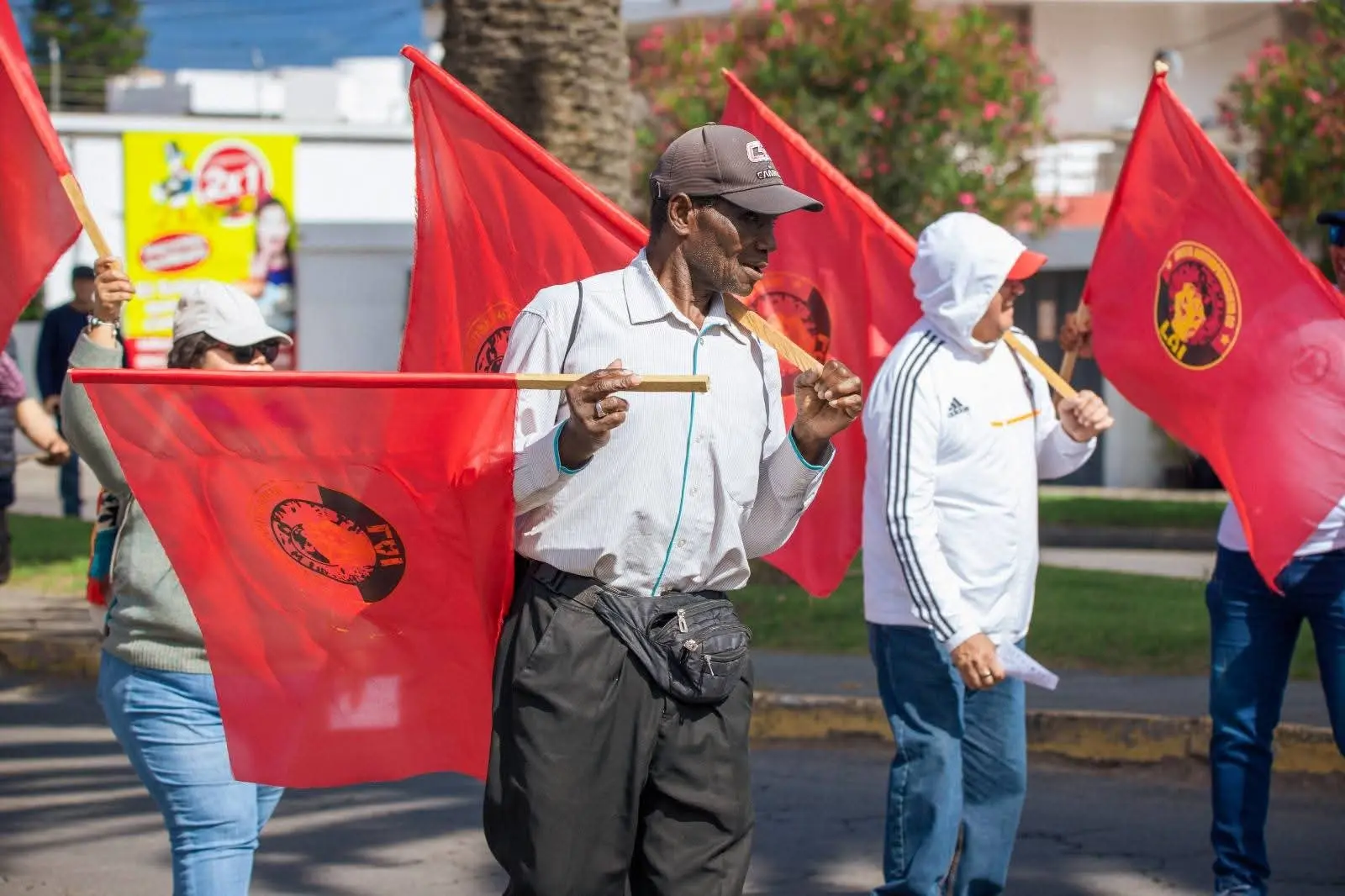
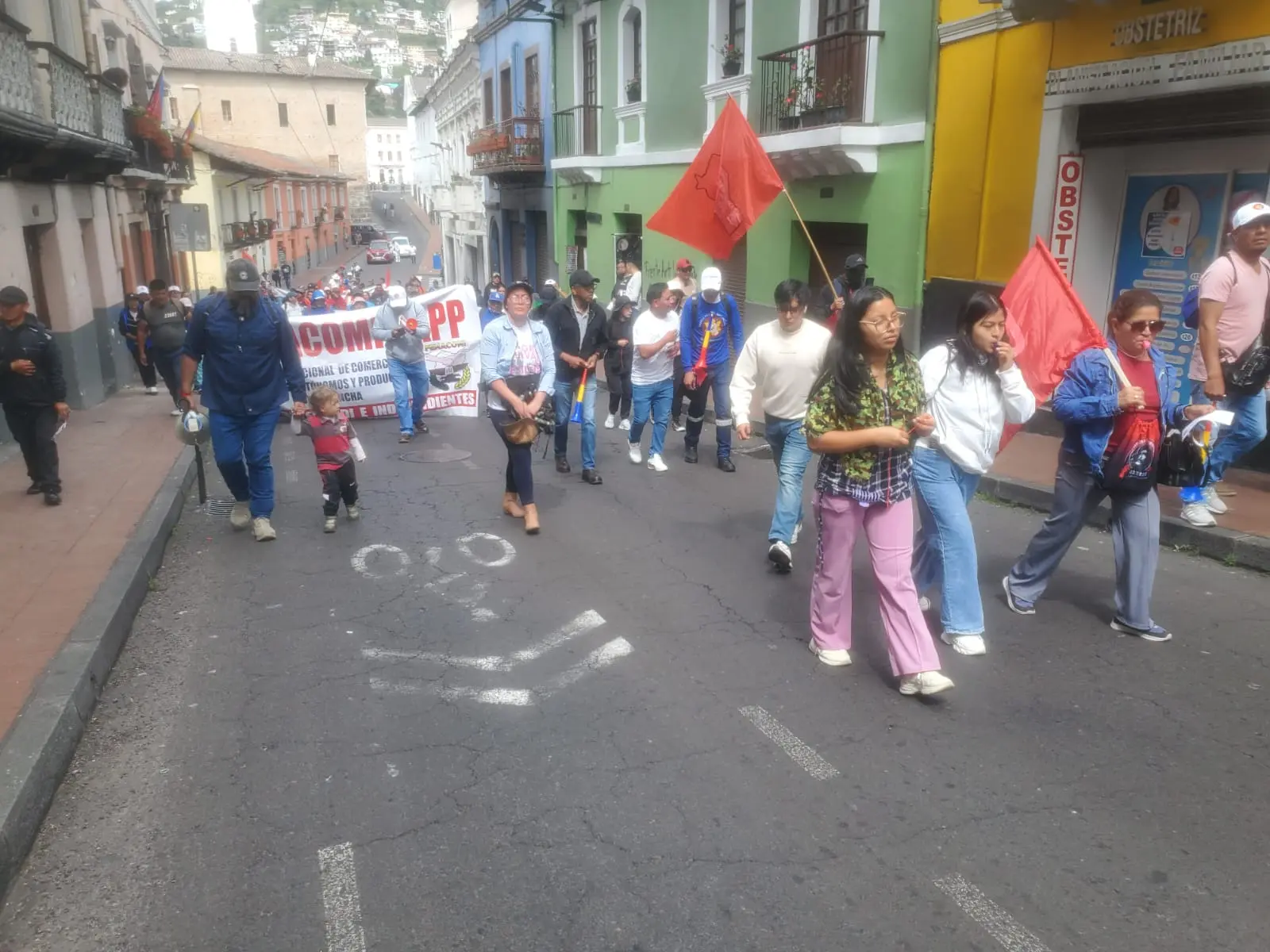
The 1st of May march demonstrated once again that, despite the reactionary offensive unleashed by the old bureaucratic-big landlord State, the working class, the poor peasantry, and other popular sectors turned out en masse to express popular discontent and a new resurgence of the labor movement, with a certain tendency to strengthen the worker-peasant alliance as a strategic pillar for the masses in the tasks they must inevitably undertake to crush the plans of imperialism and reaction.
The reactionary offensive manifested itself, particularly in the city of Quito, through the deployment of armored personnel carriers, light tanks, dozens of trucks filled with soldiers, armed police, plainclothes agents, declarations of a state of emergency, and curfews. All of this was accompanied by the fear sown by the old State, which exploits violence to its advantage: massacres in the province of Guayas, mutilated bodies, severed heads in plastic bags, threats of repression, and a constant campaign to intimidate the people through terror.
However, despite this scenario, the working class and the popular sectors took to the streets to make it clear that they are not willing to continue being subjected to hunger, unemployment, precarious working conditions, layoffs, the deterioration of healthcare and the impoverishment of public education, the persecution of popular activists, and the surrender of the country to imperialism; manifestations of the crisis facing bureaucratic capitalism, the burden of which has been shifted onto the vast majority.
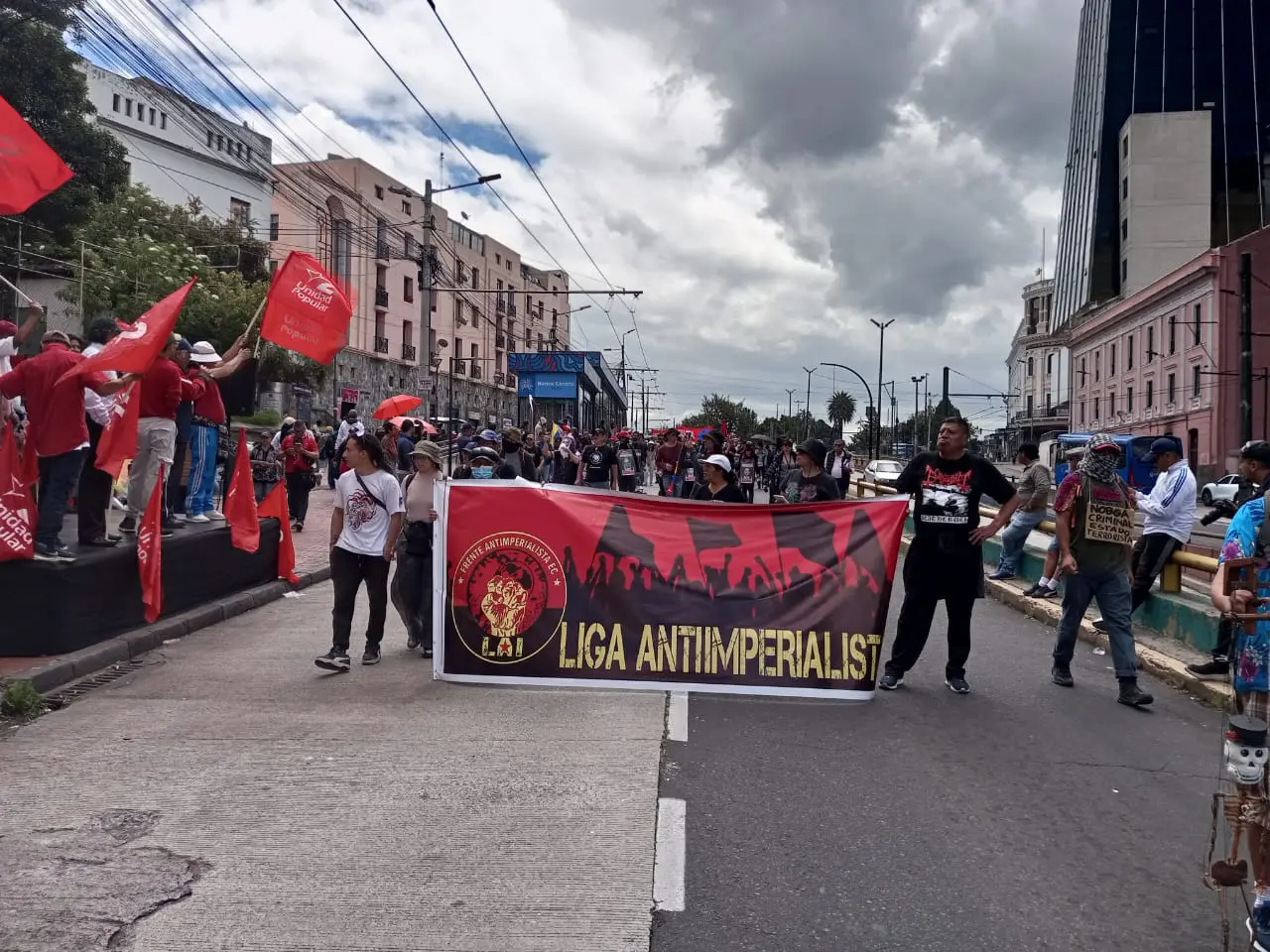
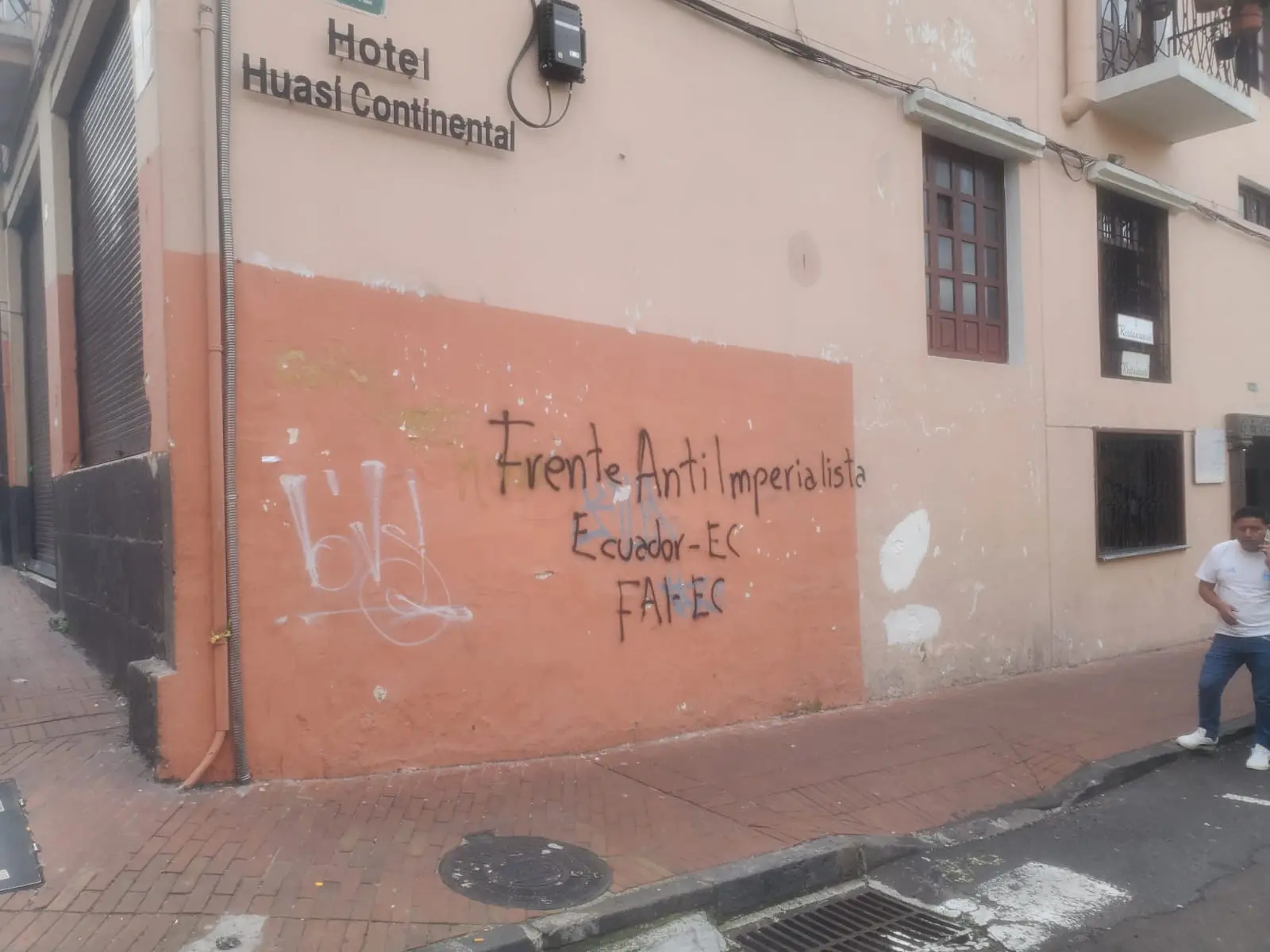
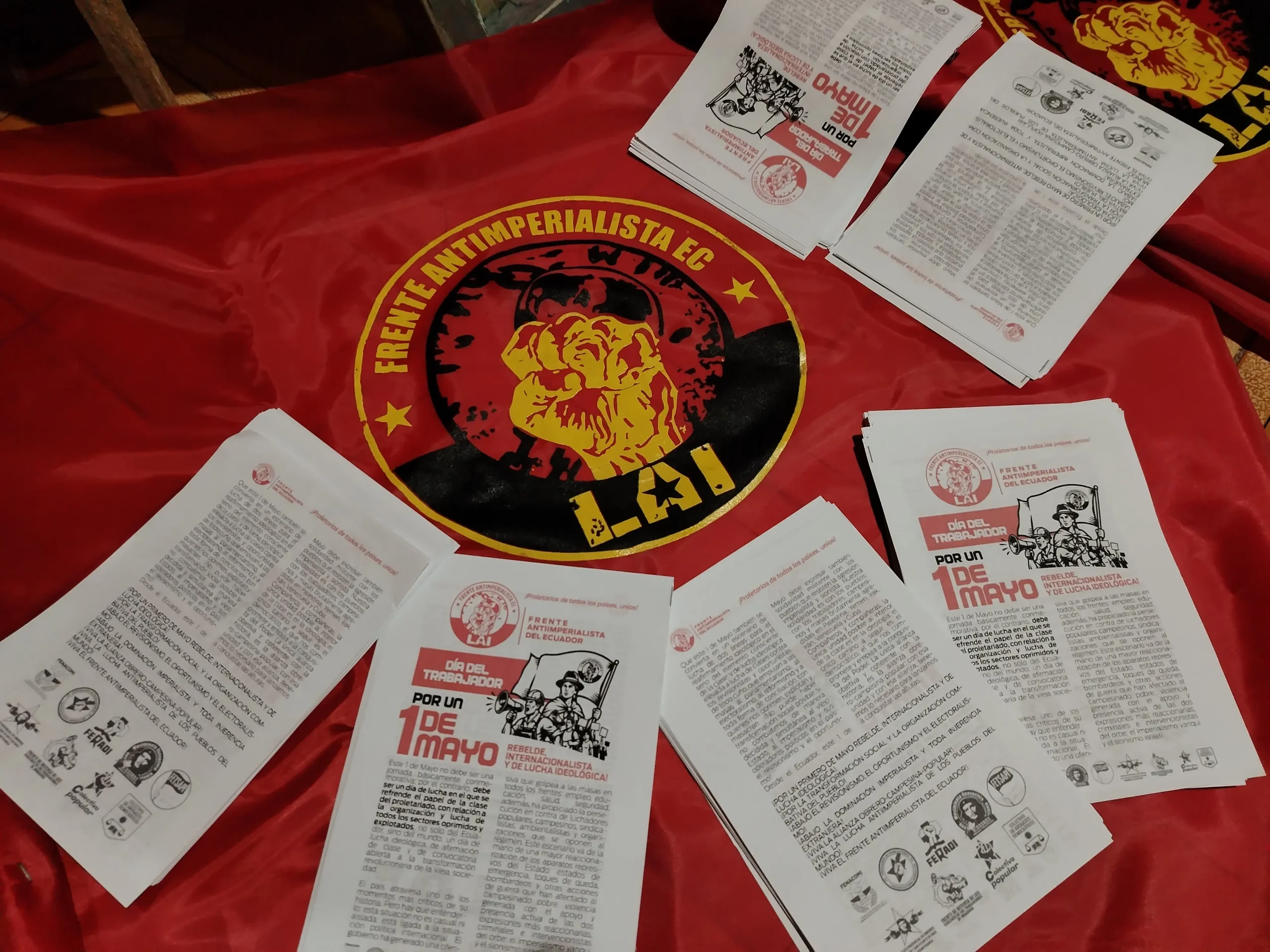
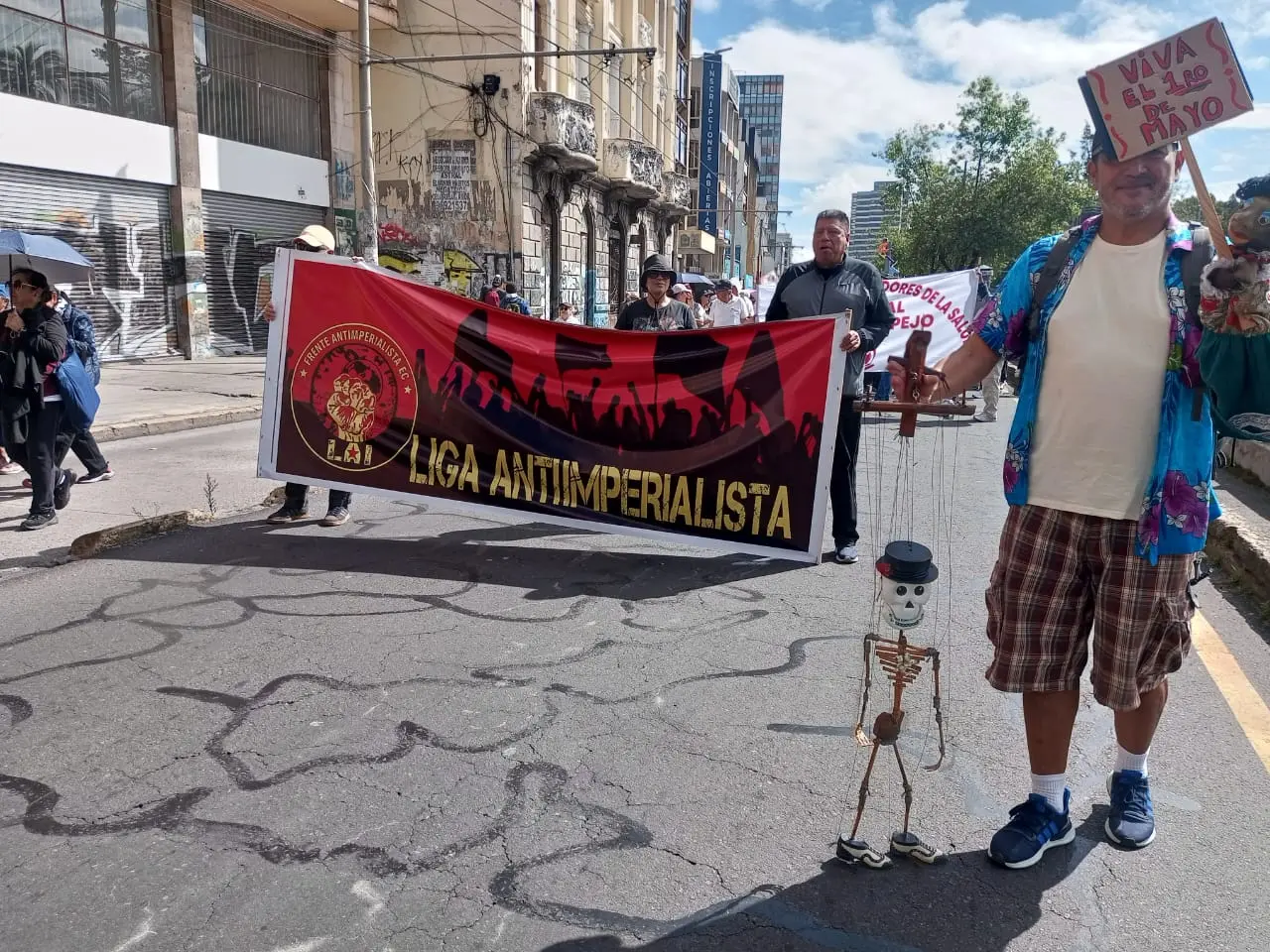
The marches, statements, and proposals put forward by various grassroots and class-based organizations also articulate a political orientation that aligns with the international character of the working-class struggle. Their slogans and positions reflect a alignment with the Anti-Imperialist League’s line, understood as a necessary expression of the international struggle against imperialism, against the ruling classes of each country, and against the forms of opportunism that seek to divert, neutralize, or tame the popular struggle.
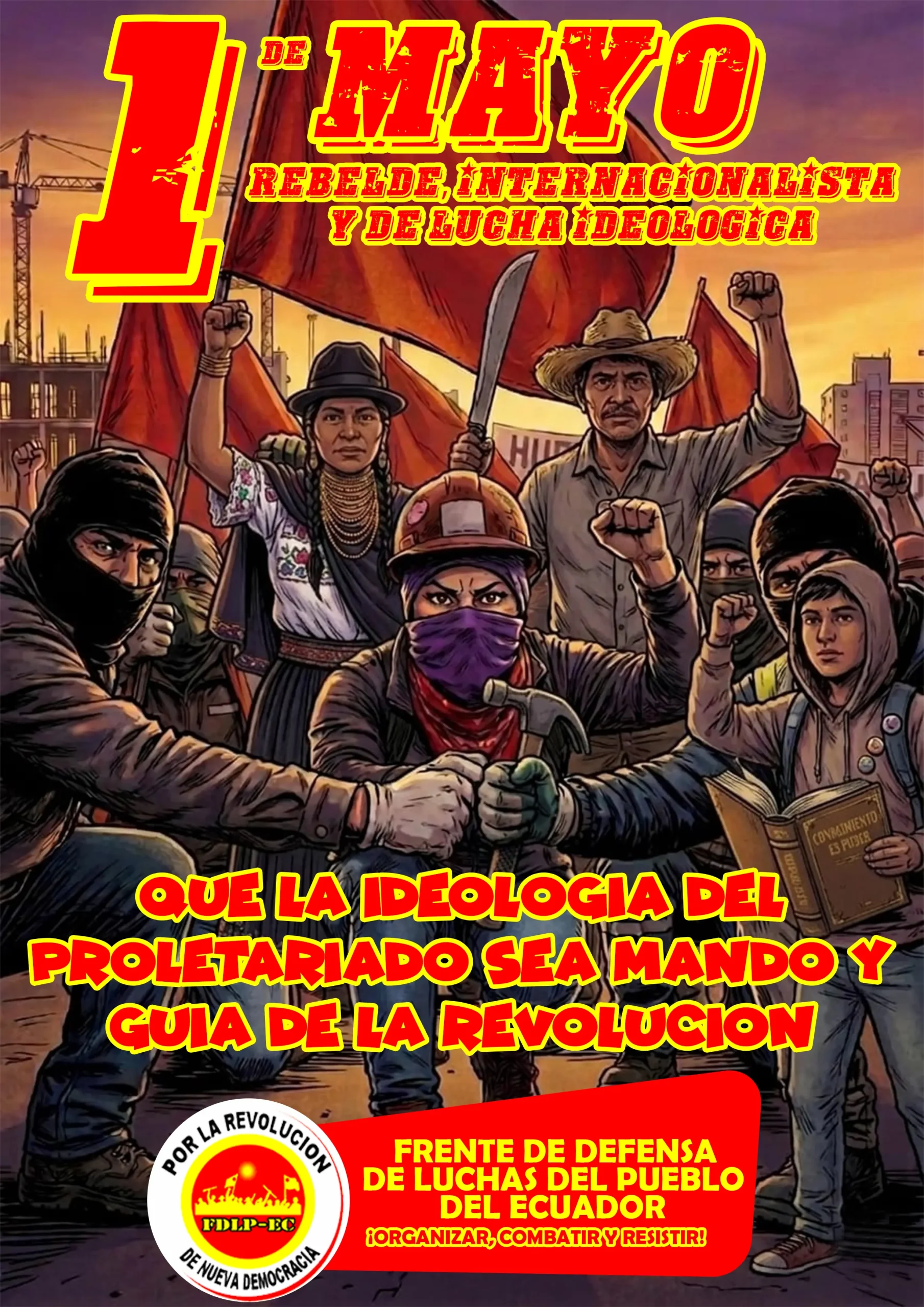
The struggle of Ecuador’s proletariat is not confined by the country’s borders; not at all. Its struggle is national in the concrete form it takes within the country’s particular context, but international in its historical content, its common enemies, and the ideology that guides it. Precisely for this reason, the ideology of the proletariat—today Marxism-Leninism-Maoism-Gonzalo Thought—constitutes an indispensable compass: it allows us to distinguish between consistent struggle and conciliation; between class independence and blind following; between the confrontation against imperialism and the ruling classes, and the false institutional and bureaucratic solutions, which only serve to breathe new life into the old state and validate the old democracy of the big bourgeoisie and the big landowners.
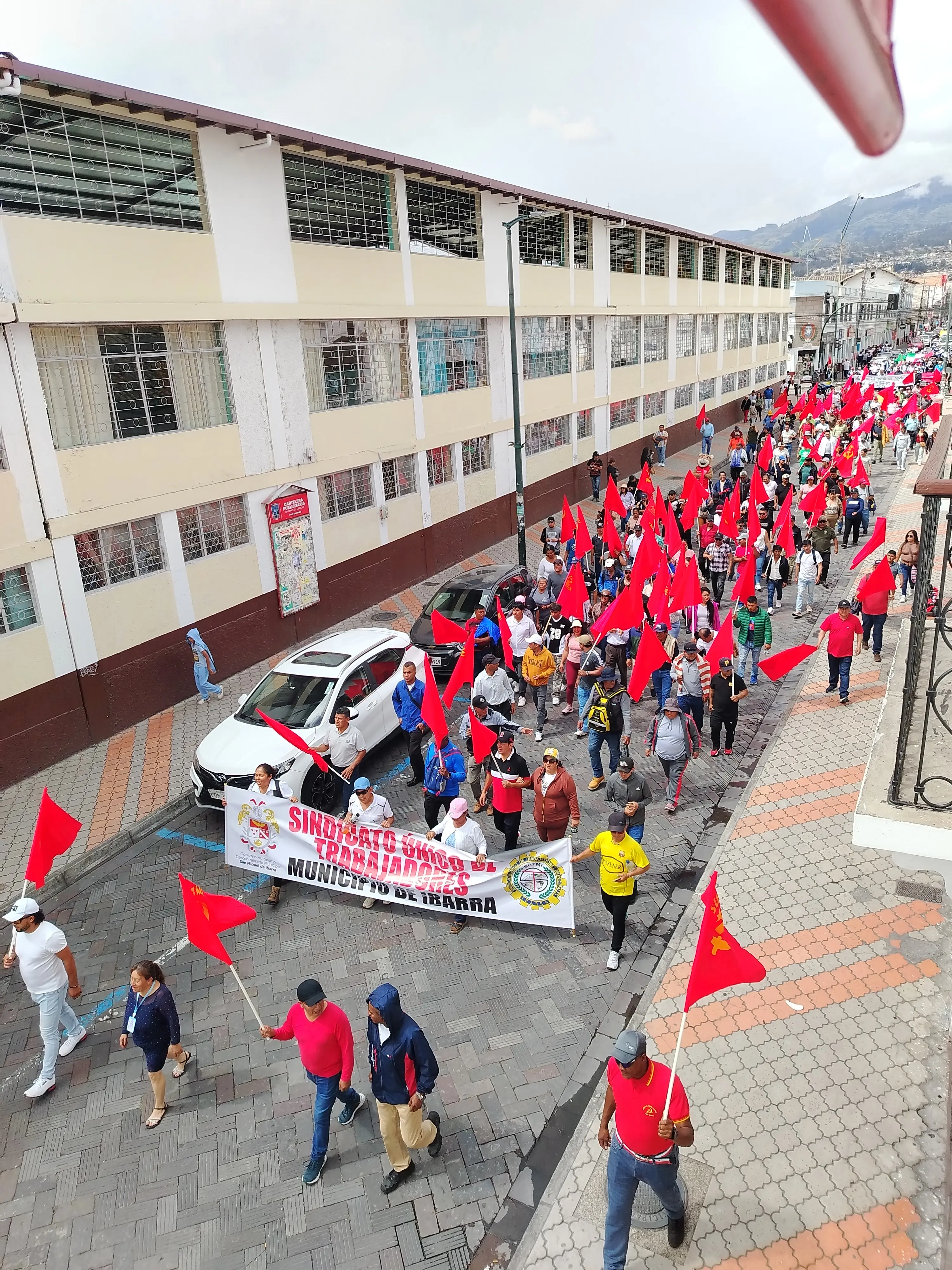
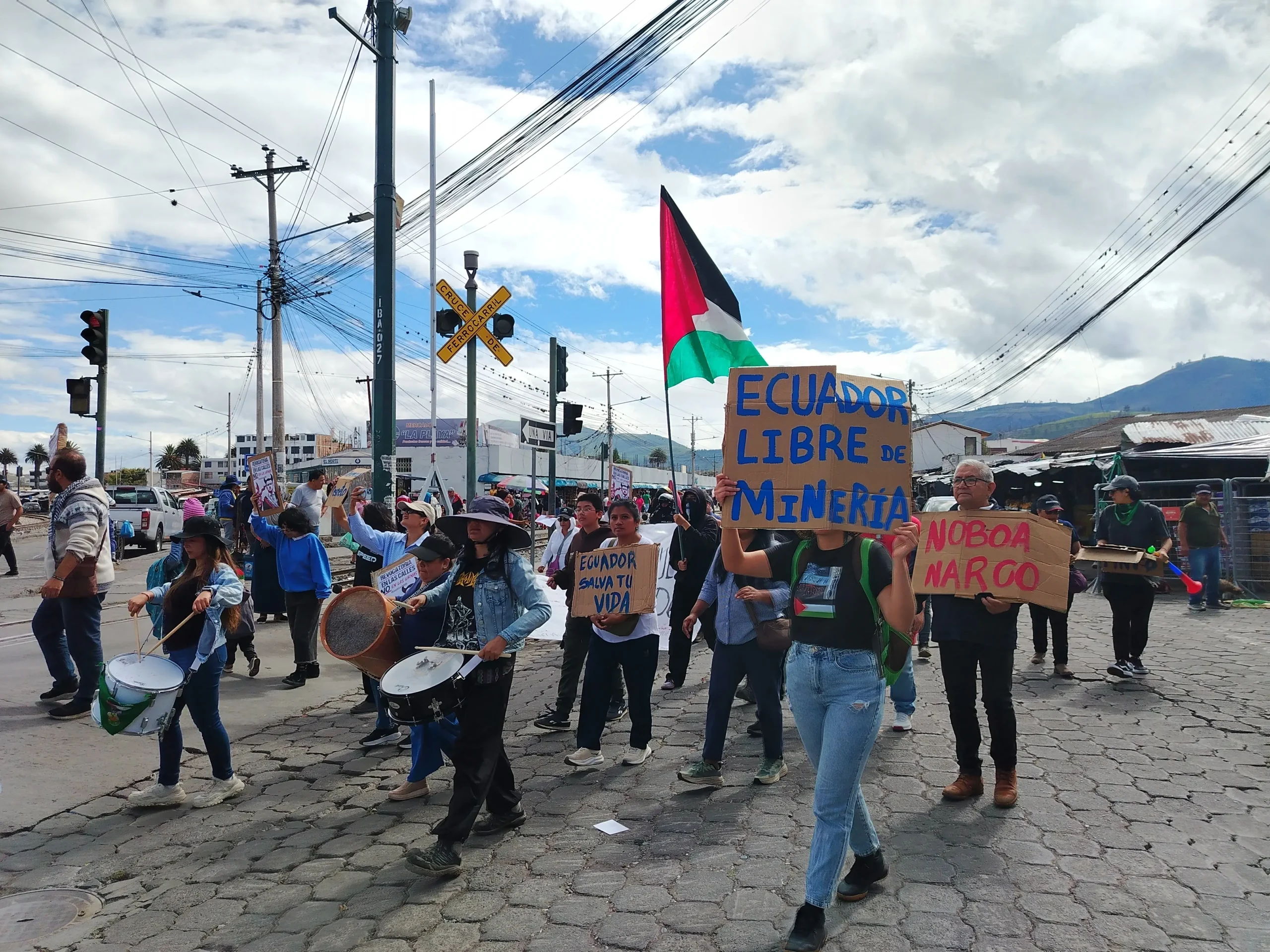
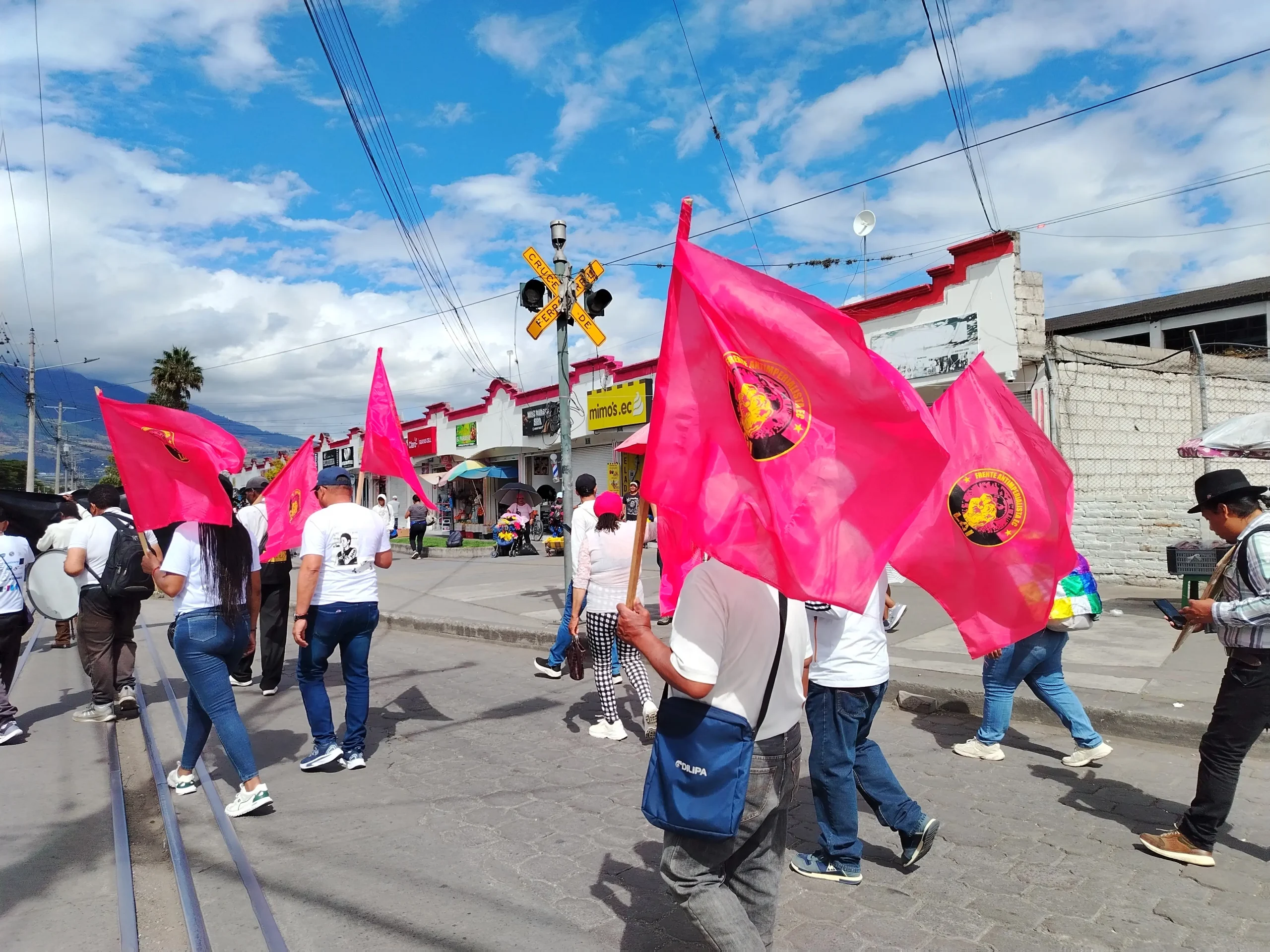
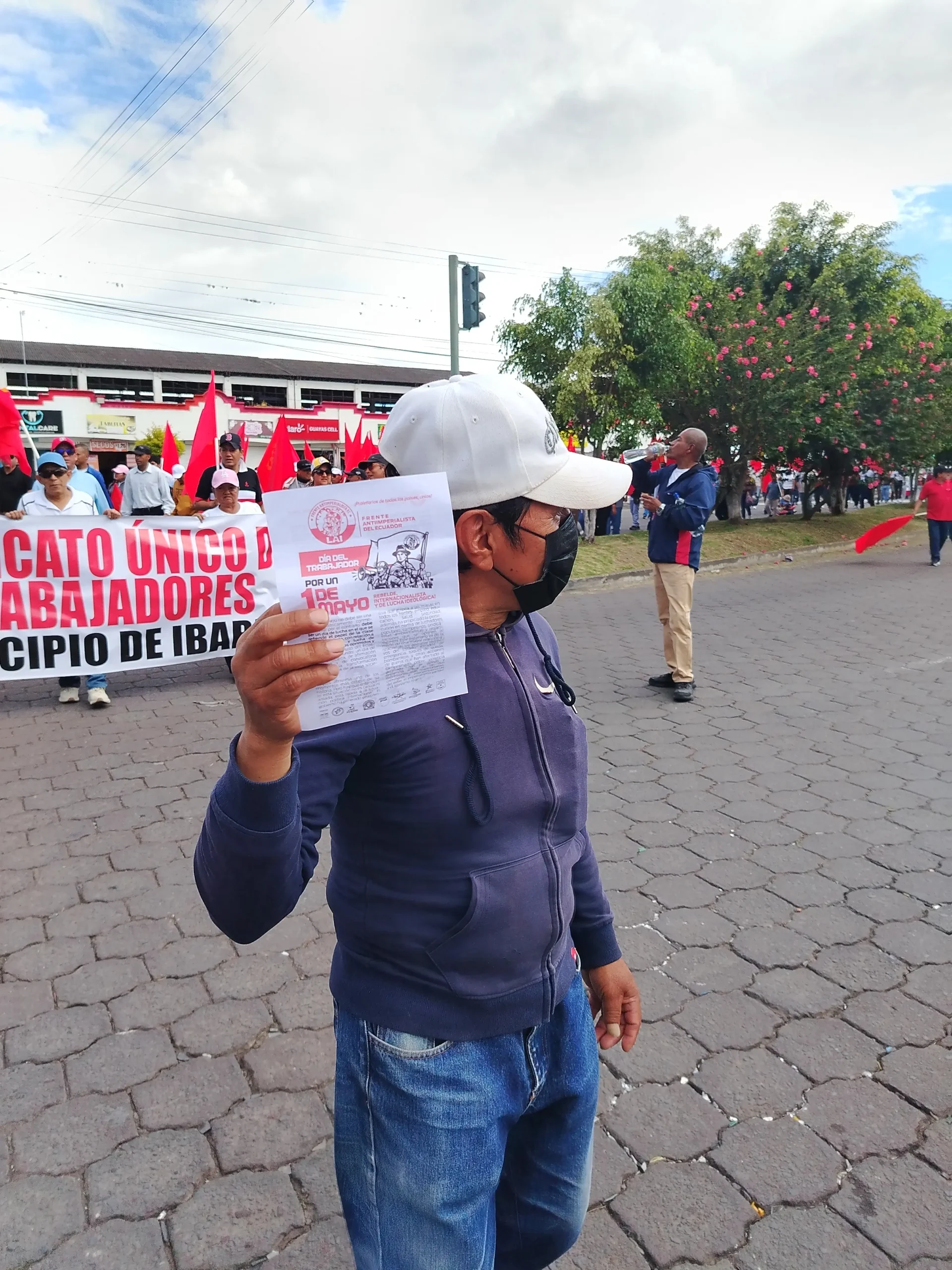
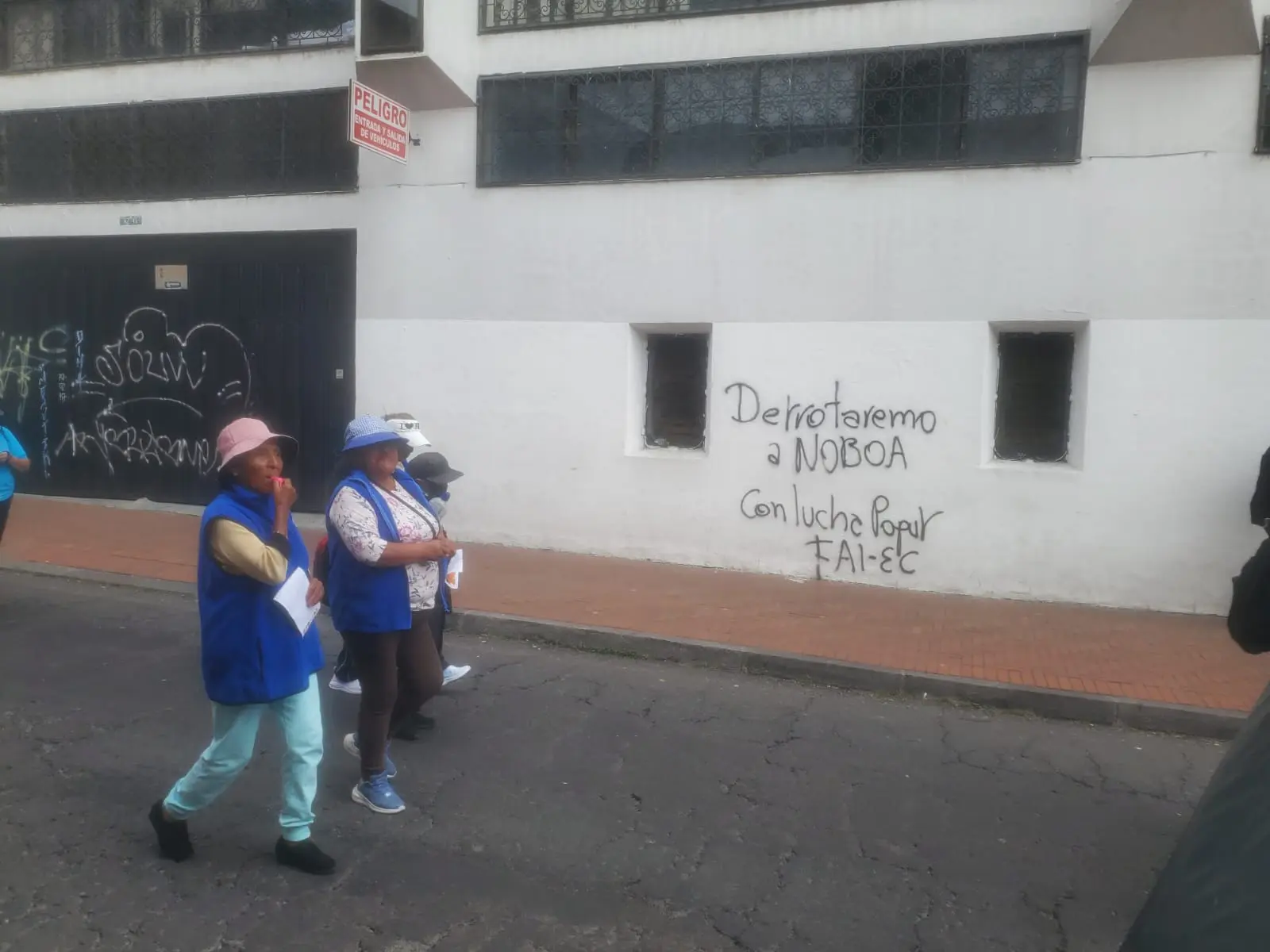
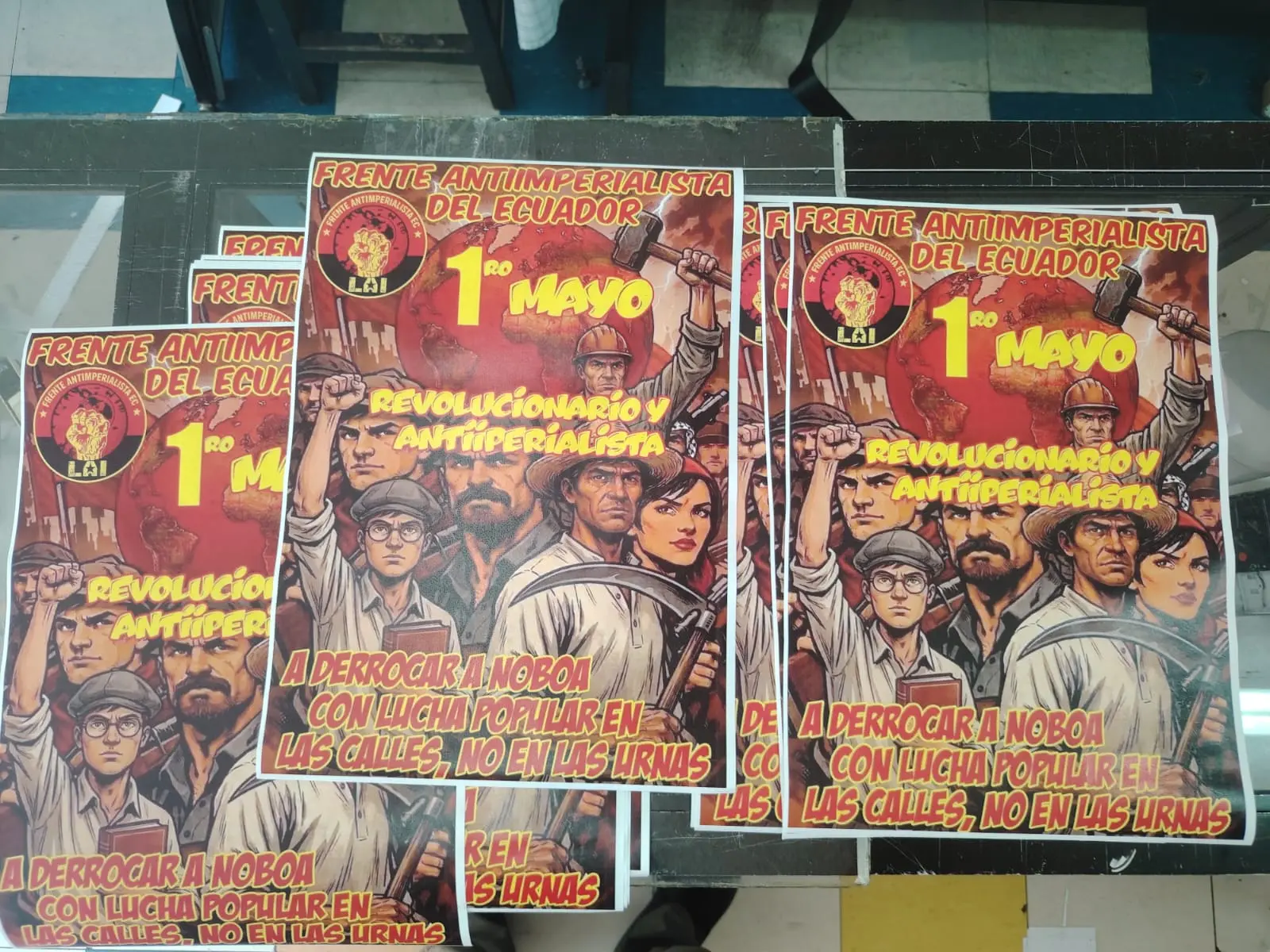
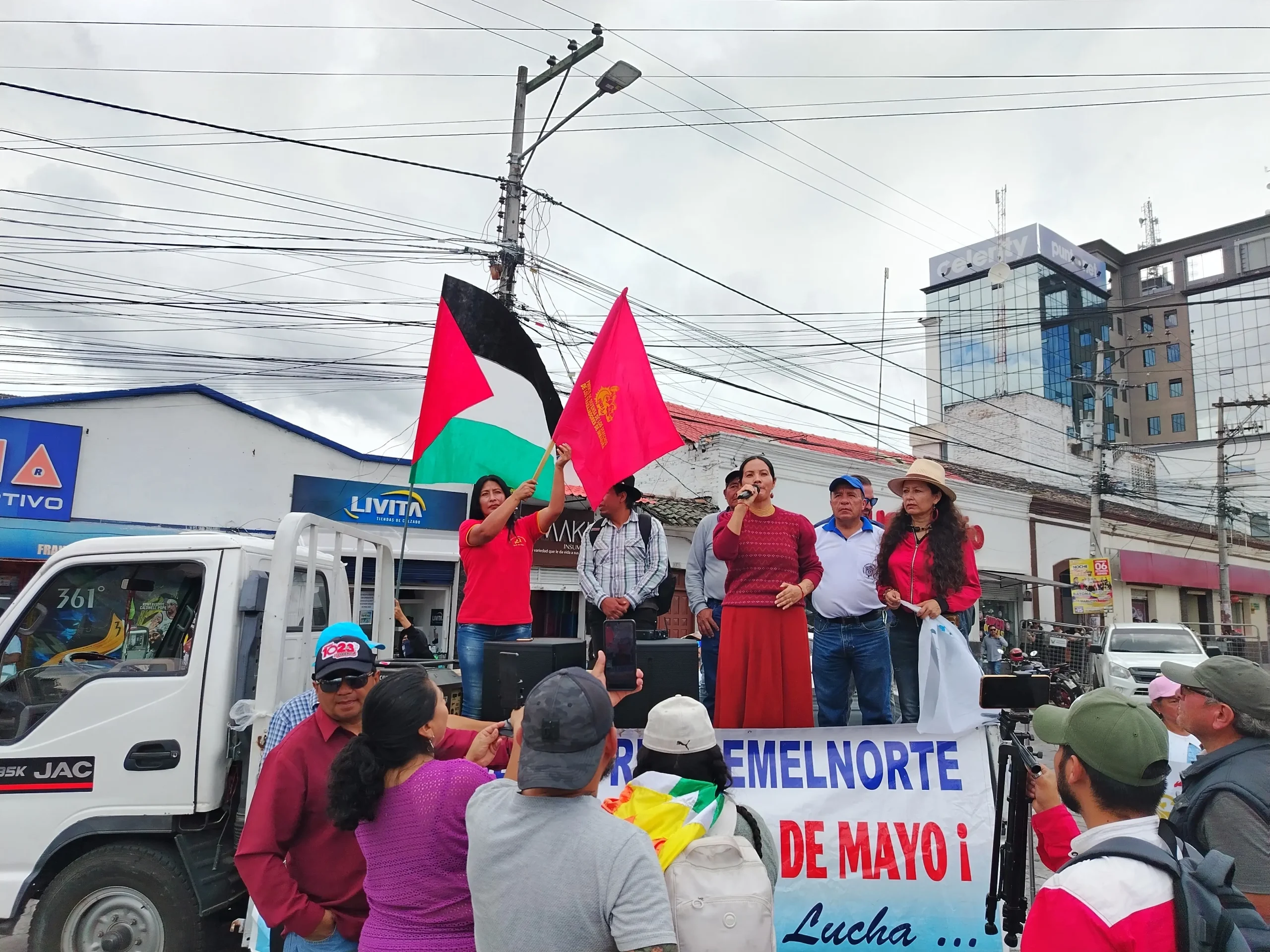
In Ibarra, the demonstration held special significance. Beyond the fact that more than 2,000 men and women, children of the people, took to the streets, it demonstrated a militant unity that underscores the importance of distancing ourselves from and combating revisionist and opportunist currents—the bourgeoisie’s spearheads within the ranks of the proletariat and in the peasant-popular organization—whose task is to quell social protest and ideologically dismantle the working class. Unions, workers, popular and peasant organizations, and class-conscious sectors came together on a platform of struggle that, beyond their differences, placed the defense of the people’s rights and the need to confront the regime at the center. This unity, based on a class-oriented, anti-imperialist, and internationalist orientation, is destined to become the new popular front that will know how to fight imperialism as it should and overthrow the Noboa puppet regime in the streets, through organization, mobilization, struggle, and resistance.
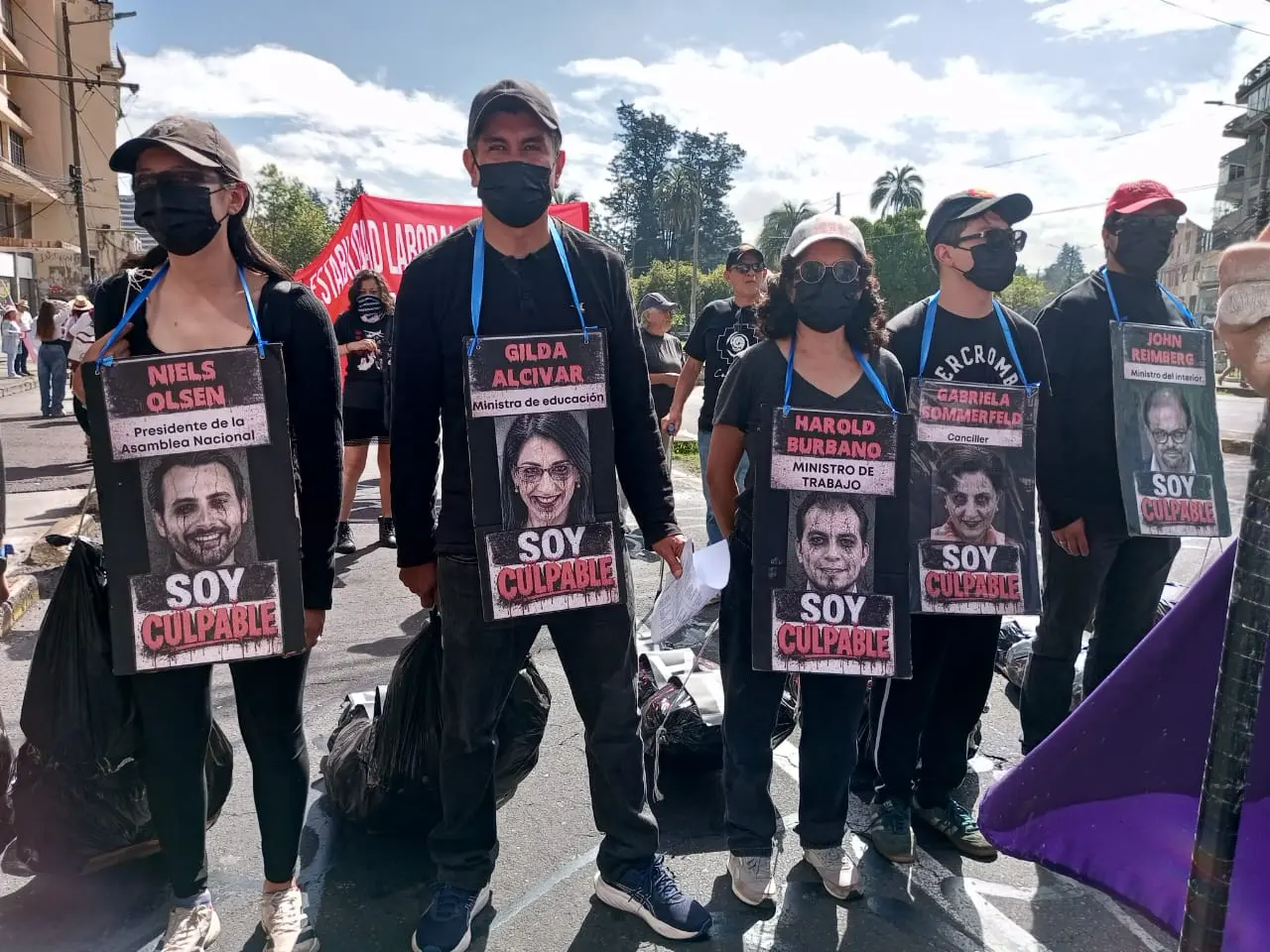
In Quito, as the country’s political center, the day also made it clear that the workers’ struggle cannot be reduced to a mere spectacle. May 1st must break free from the logic of a tamed parade, of empty slogans, and of a march that ends without any follow-through. The capital must become the stage for ongoing political confrontation against anti-popular measures, against foreign interference, against repression, and against all the mechanisms of domination that a “dwarf”—arrogant, corrupt, a drug trafficker, a murderer, shameless, and a bootlicker of imperialism like Noboa—seeks to impose on us.
The conclusion is clear: there was a willingness to fight, protest, and popular presence. But we must also state this unequivocally: that is not enough. It is not enough to march once a year. It is not enough to raise slogans if that proletarian fervor is not then channeled into organizing a new strike and popular uprising, considering that, to do so, we must, necessarily and unavoidably, combat the opportunist leaderships that divert the struggle toward electoral solutions, harmless recall referendums, rigged dialogue tables, or rotten negotiations.
May this May 1st have served to draw a clear line in the sand. On one side are those who want to turn the popular struggle into a legal, bureaucratic, and electoral agenda. Let them eat shit! On the other, those of us who understand that the people’s rights are defended through organization, mobilization, class consciousness, and popular struggle—forms of organization that align us with the democratic path.
The regime does not understand, does not accept, and simply brushes off the hollow threats issued by the leadership of CONAIE, ECUARUNARI, and other political actors who insist on taming the class struggle. These wretches must open their eyes wide and see how much the masses are crying out for proper leadership to guide them down the path of rebellion; they must listen carefully and understand that the outcry goes beyond complaints about jobs, healthcare, education, or the mere desire to survive in a society that increasingly oppresses, murders, and marginalizes us. The masses are calling for rebellion, and that is where we must walk alongside them.
The struggle against imperialism demands ideological clarity. Without that clarity, protest can be absorbed by reformism, electoralism, or opportunism. With that clarity, however, every immediate demand can be linked to a higher perspective of revolutionary transformation. Therein lies the importance of various expressions of this movement identifying with an internationalist and anti-imperialist orientation: because that guidance helps us walk the right path, without falling into false shortcuts or institutional traps.
The current crisis will not be resolved by abstract calls for “national unity.” That unity only serves the old State and the government. The unity we need is ideological—the ability to coordinate the vital struggle led by poor peasants, anti-mining activists against transnational mining, artisanal miners fighting for their right to work without being bombed and killed; merchants and small producers; and even a small and medium bourgeoisie that is being completely crushed by the penetration not only of U.S. imperialism, but also by the saturation of products and companies from Chinese imperialism.
That is why the assessment of 1st of May must be unifying, but also demanding. The day was important, yes; but it must become a starting point for a more firm, more determined, and sustained popular offensive. Every slogan raised in Ibarra, Quito, and other cities across the country must become a concrete task aimed at strengthening the popular forces.
The working class and the poor peasantry can no longer afford to remain purely on the defensive. They must take the initiative; take to the streets, encircle the cities from the countryside through peasant uprisings, dismantle the government’s false narrative, and throw themselves into the people’s struggle.
This 1st of May leaves us with a fundamental conclusion: the people possess a latent strength that is growing, but that strength must be organized. They have anger, but that anger must be transformed into consciousness. They have reasons to fight, but those reasons must be translated into sustained action. History is made by the peoples—we must understand this—not by caudillos or leaders. It is the creative action of the people who understand clearly that without struggle, without sacrifice, there are no victories, there is no glory.
The results are positive, but the task ahead is even greater. We must transform the poverty, hunger, and even the violence into which our people have been plunged into energy, ongoing organization, and a political force capable of striking back and sending Noboa to hell, and sending the U.S. troops back to their filthy dens, their centers of lust, drugs, and terror in the United States.
May May Day not end with the march or the slogan. May it continue in the streets, in the countryside, in the neighborhoods, in the factories, in the hospitals, and in every workplace. Otherwise, we will not have been true to the historical legacy of the Chicago Martyrs, nor to their ultimate sacrifice for the rights of the working class and the people.
LET US ORGANIZE THE PEOPLE’S ANGER AND DISCONTENT!
LET US RAISE THE WORKING CLASS’S ANTI-IMPERIALIST AND INTERNATIONALIST BANNER!
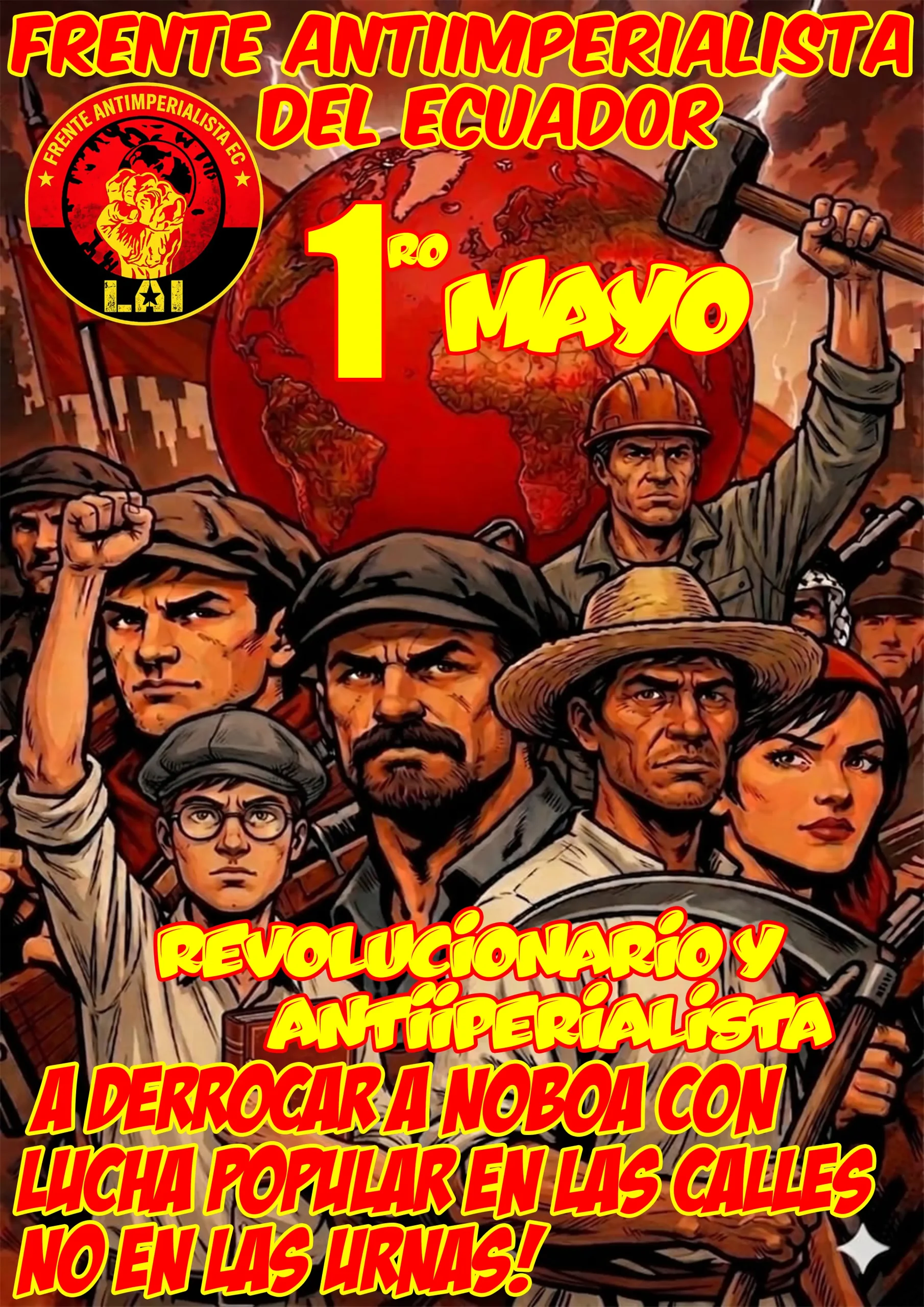
LET US PREPARE FOR A NATIONAL STRIKE AND A POPULAR PEASANT UPRISING TO OVERTHROW NOBOA!
FOR A CLASS-CONSCIOUS, COMBATIVE, ANTI-IMPERIALIST, AND INTERNATIONALIST WORKERS’, PEASANTS’, AND PEOPLE’S MOVEMENT!
ORGANIZE—COMBAT—RESIST!
IT IS RIGHT TO REBEL!