Recent Student Mobilizations in Brazil – From Campus Demands to Anti-imperialist Organization
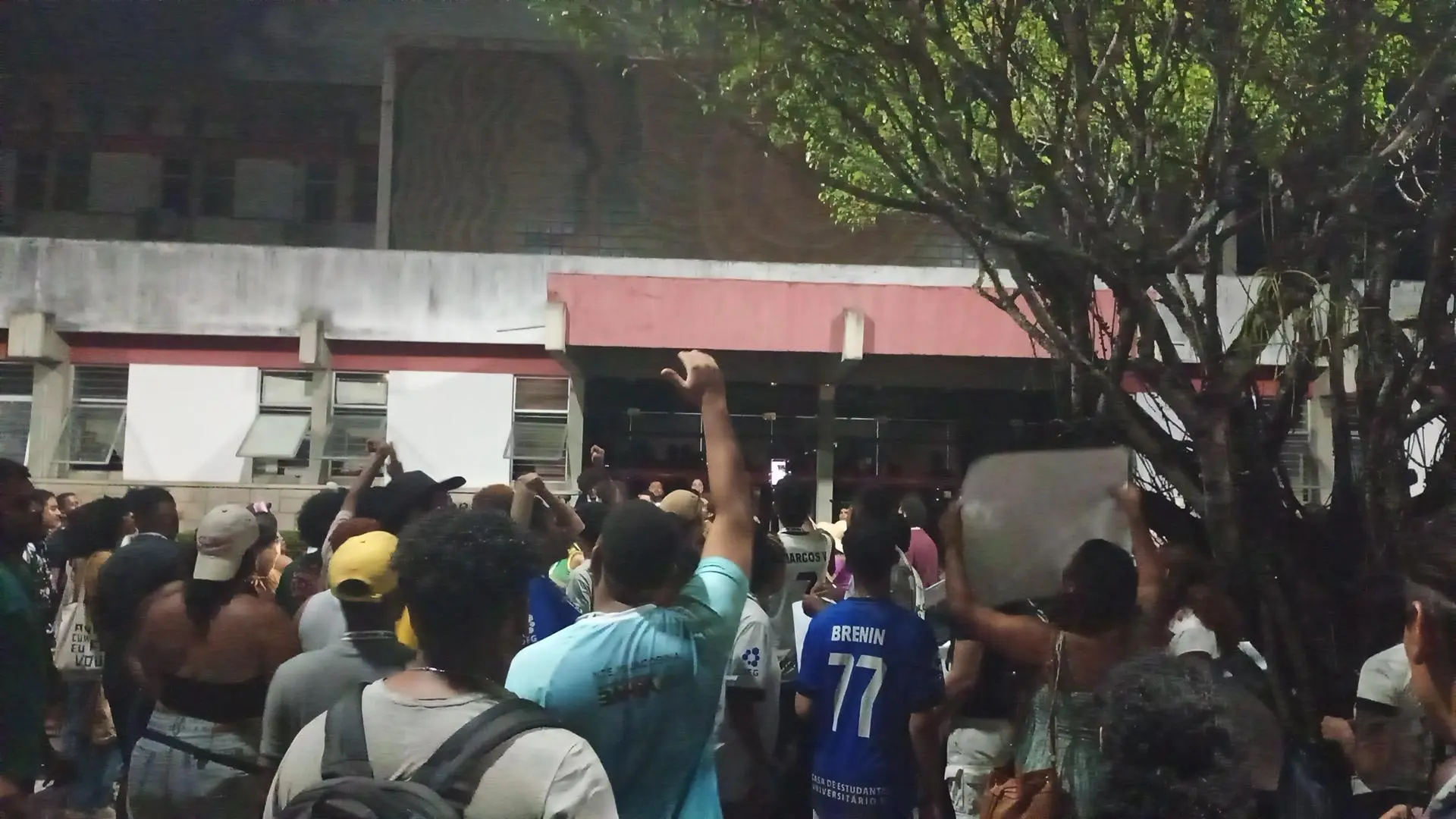
Featured image: Students secured the signing of two commitment letters from the Rectorate after four hours of protest and a siege of the UFPE Rectorate, PM-PE, and PF. Source: MEPR
A series of student activities reported in September 2026 illustrates growing mobilization at Brazilian universities and federal institutes around educational funding, student assistance, campus conditions, and broader political struggles.
At the Federal University of Pernambuco (UFPE), residents of student housing organized a demonstration during the 47th National Meeting of Student Housing Residents. On September 10, students marched to the university rectorate to present demands related to the National Student Assistance Policy and the distribution of student-assistance funds. The People’s Revolutionary Students Movement (MEPR) reports that the students were obstructed from entering the building and confronted by armed members of the Military Police, the Special Operations Battalion (BOPE), the Federal Highway Police, and the Federal Police.
The students described the police presence as intimidation and accused the rectorate of criminalizing legitimate protest. After several hours of siege, the administration agreed to clarify the distribution of student-assistance resources and promised not to retaliate against members of the student-housing movement.
MEPR also reported on other actions at UFPE. Visual Arts students held a day of demonstrations on September 17 under the slogan “Against the deterioration of the Center for Arts and Communication and for more internship opportunities.” Following a student assembly, participants criticized unreliable water access, poor ventilation, deteriorating classrooms, and insufficient professional-training opportunities. They linked these problems to broader reductions in university funding and warned that such policies could encourage privatization. The action ended with banners and flyers throughout the center, including posters for revolutionary Manoel Lisboa, a communist militant connected with earlier student mobilizations.
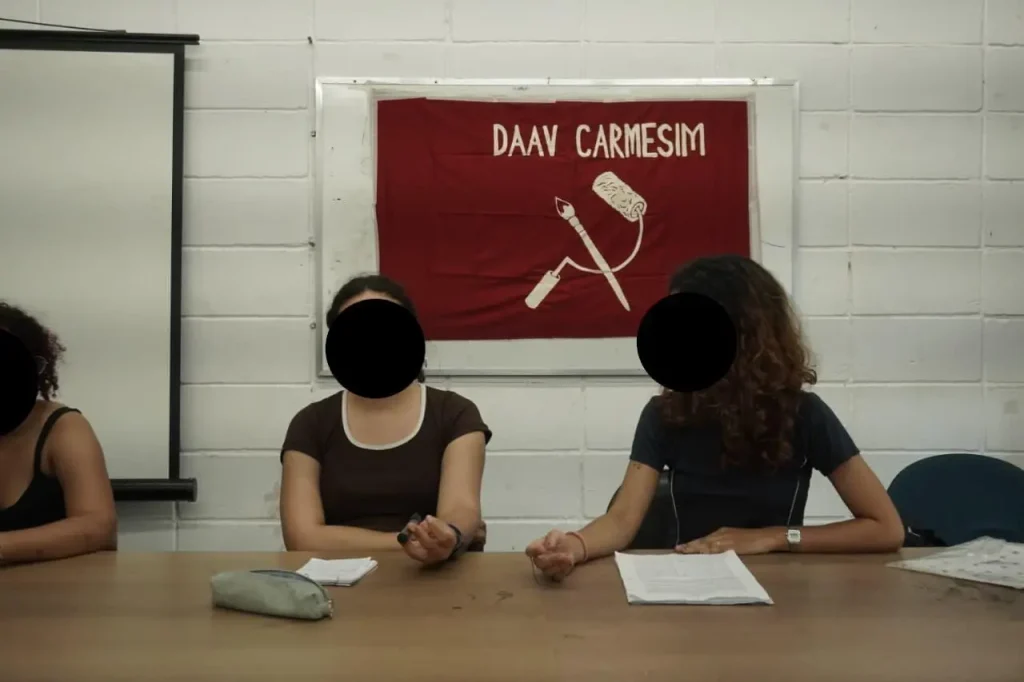
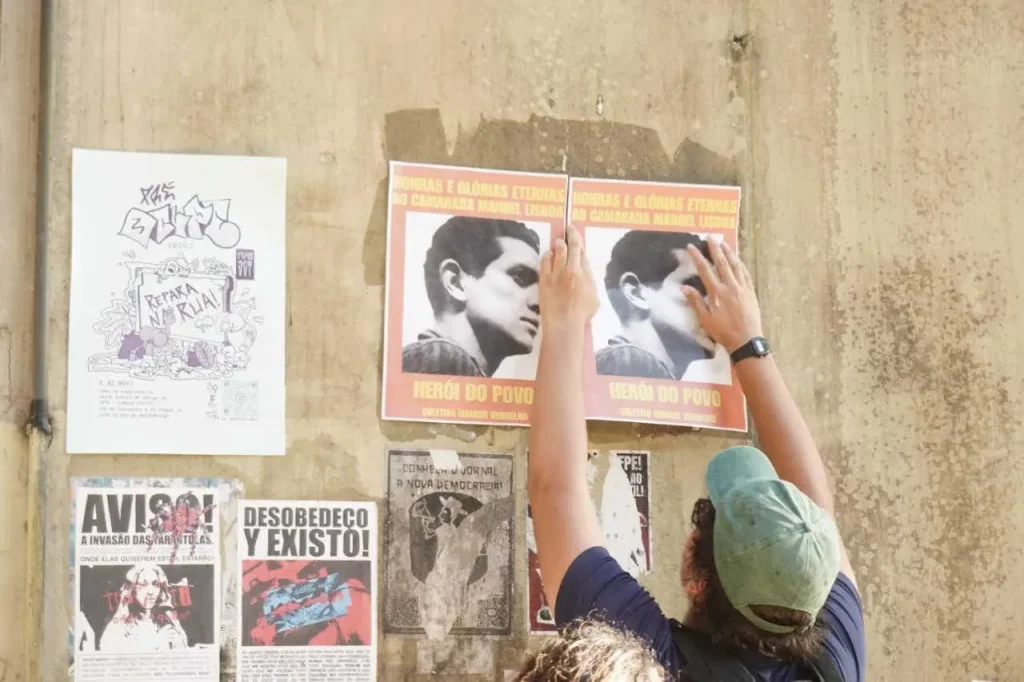
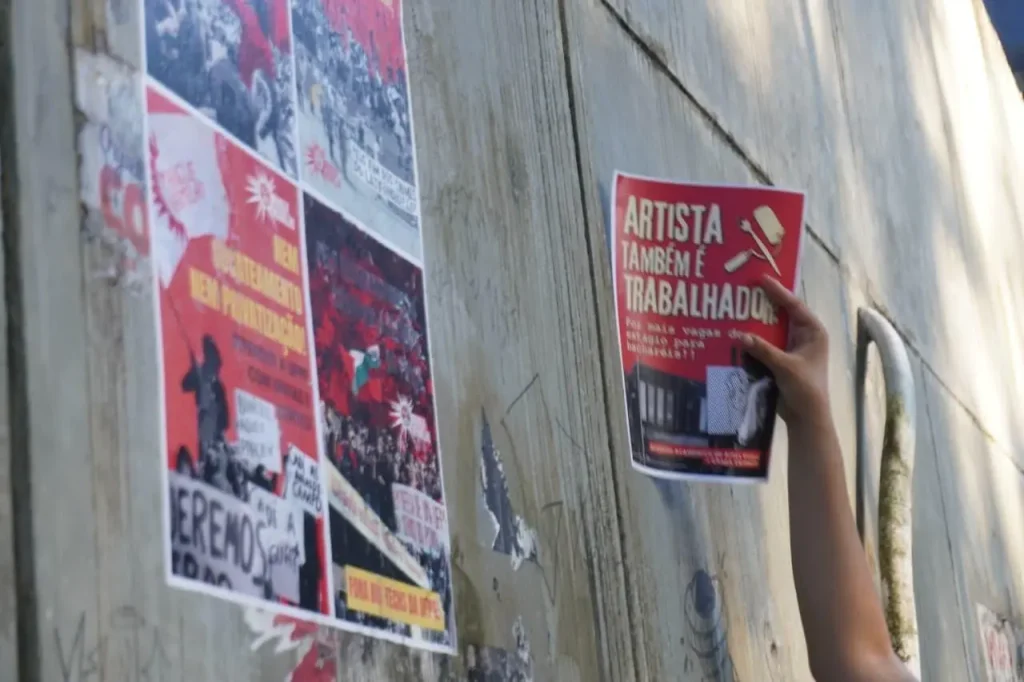
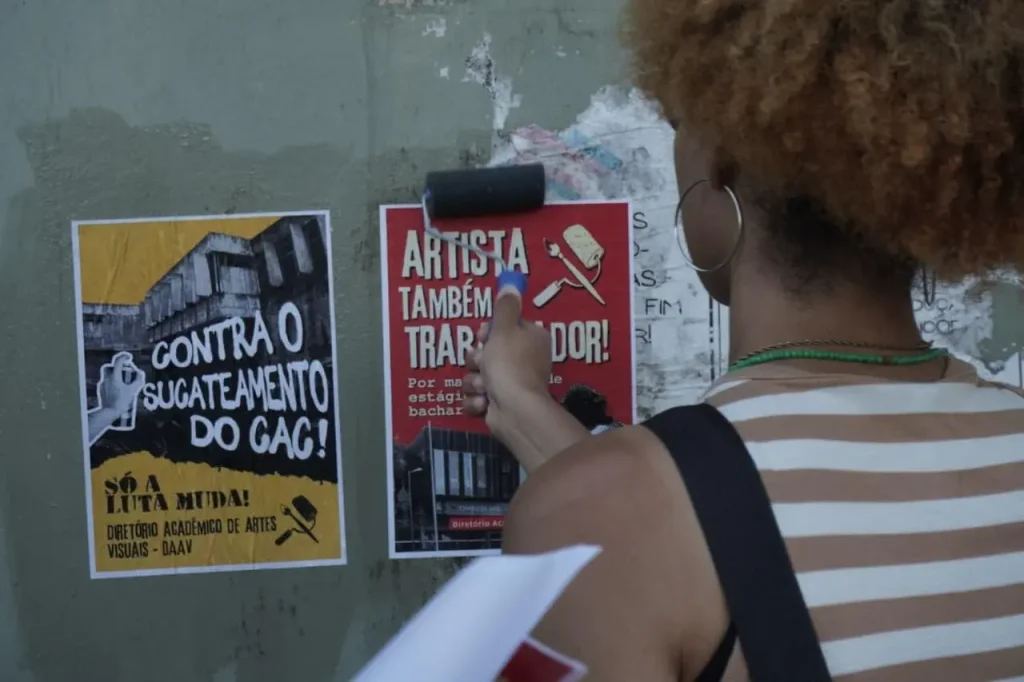
At the Federal Rural University of Pernambuco, the Mangue Vermelho collective also organized a poster campaign honoring Manoel Lisboa. The posters read: Eternal Honor and Glory to Our Comrade Manuel Lisboa! Hero of the People!
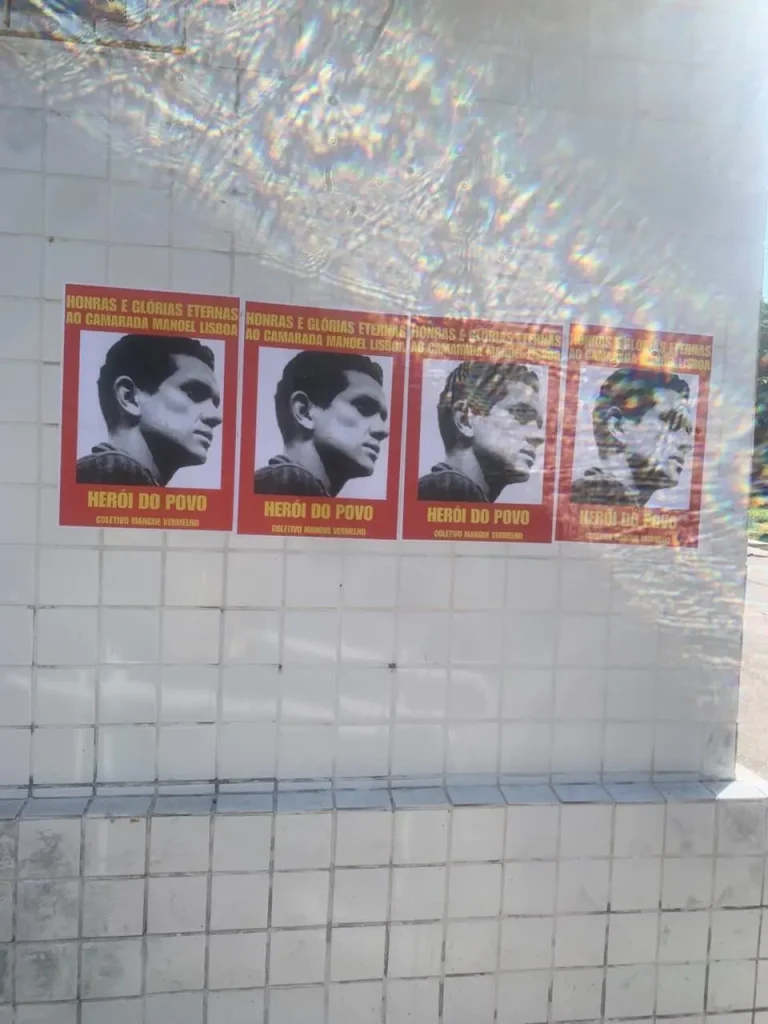
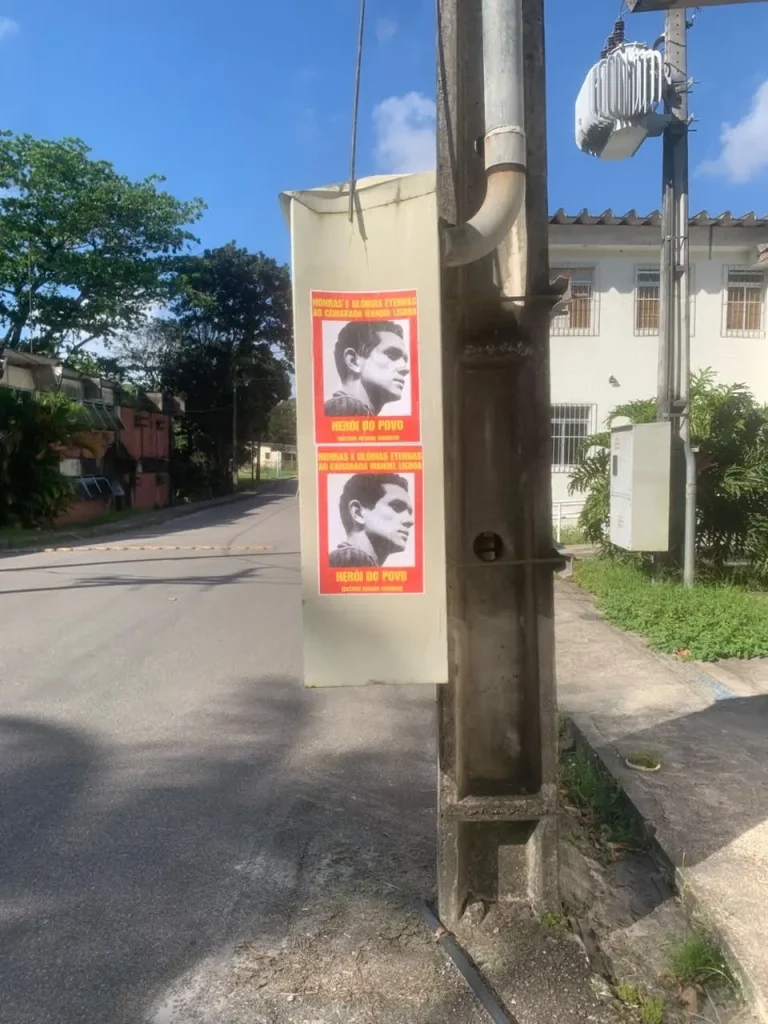
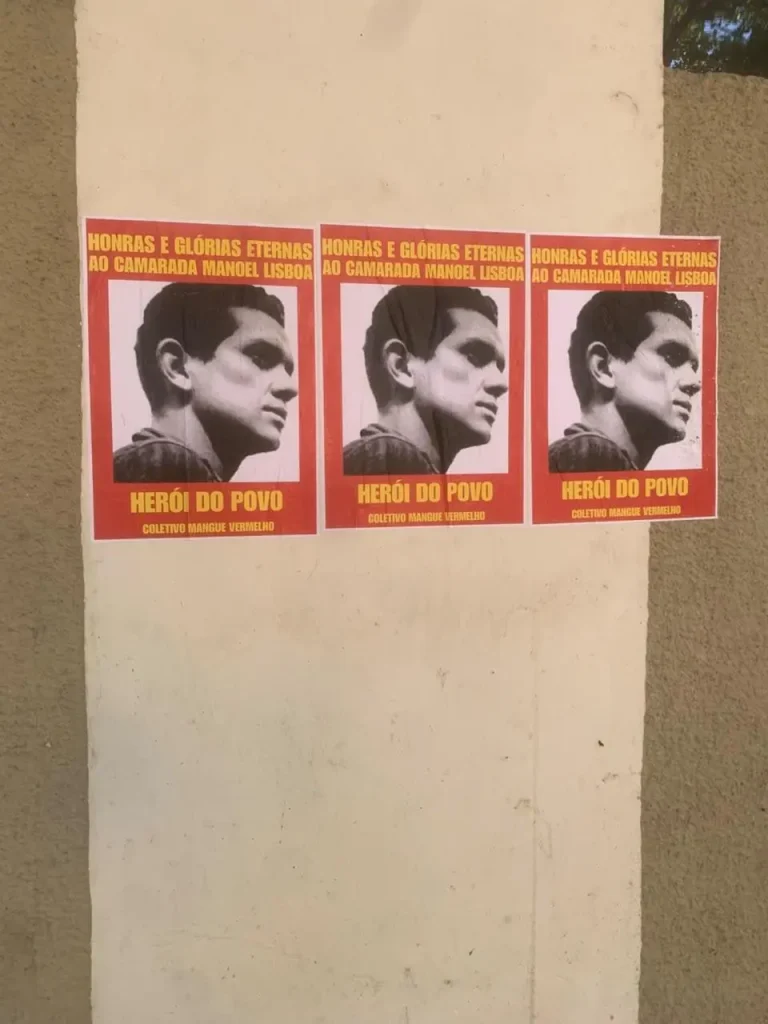
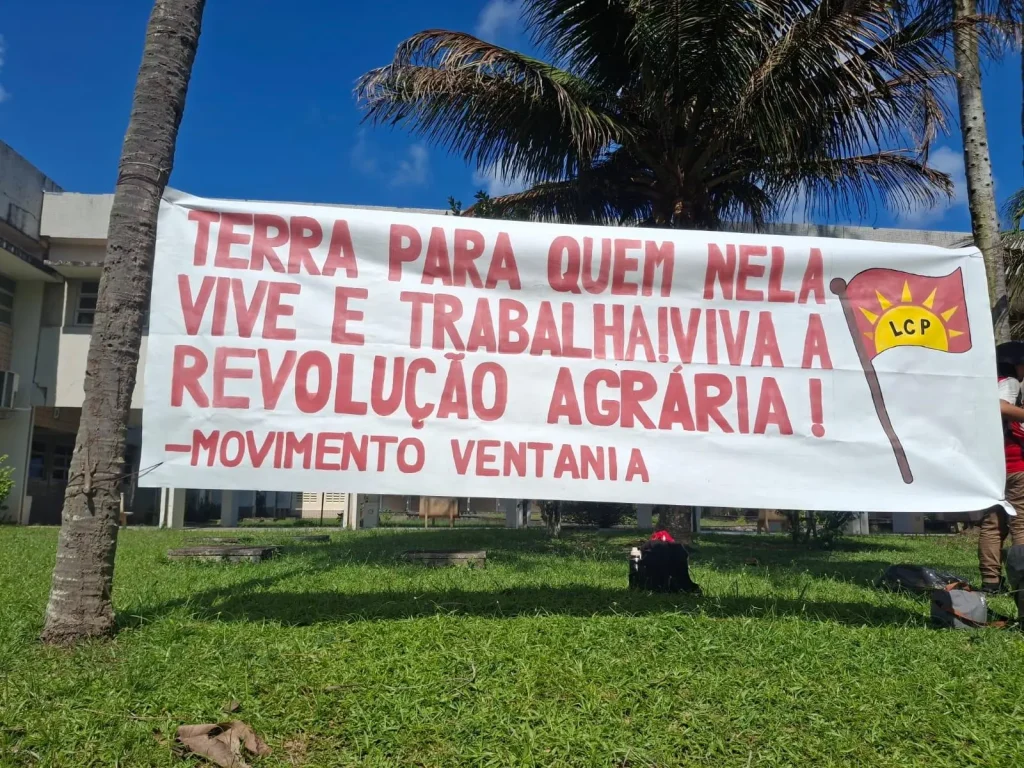
The Mangue Vermelho collective also carried out a freshman welcome event at the Federal University of Pernambuco in August. The actions involved putting up posters and banners, and distributing leaflets throughout the campus denouncing the attacks that education and the university are facing and pointing to a combative approach as the only possible solution to students’ problems. The collective also staged an intervention during the inaugural lecture, distributing leaflets and displaying a banner with the slogan “UFPE without water is fire!” with banners also promoting the agrarian revolution and resisting the presence of the fascist military police on campus.
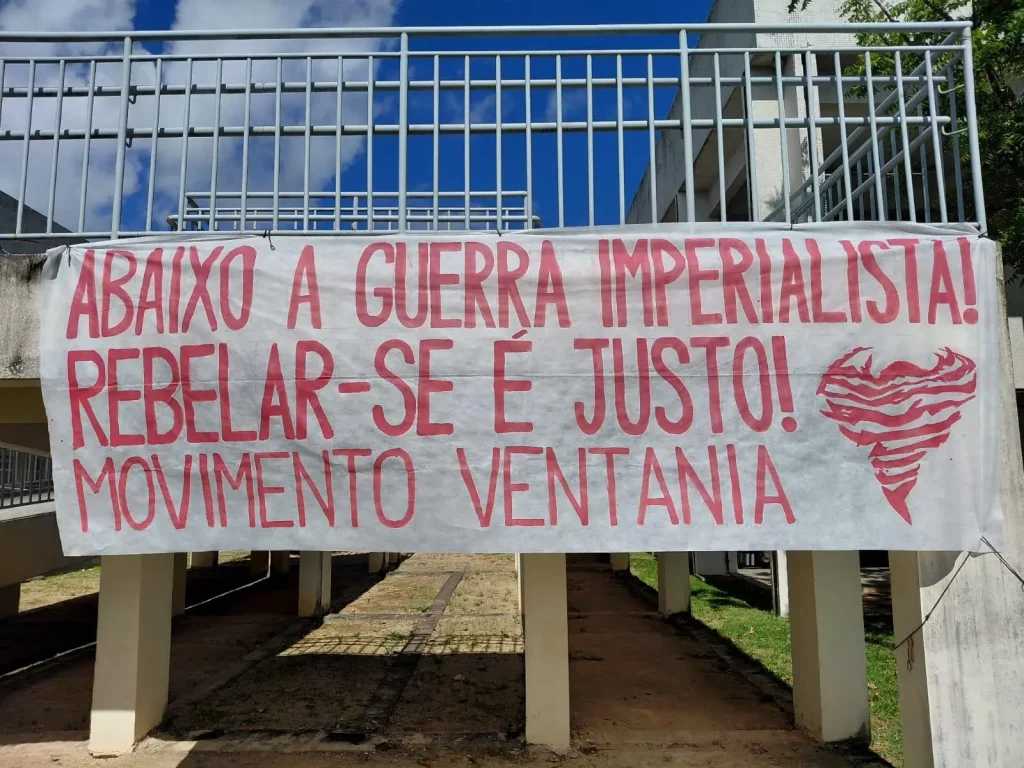
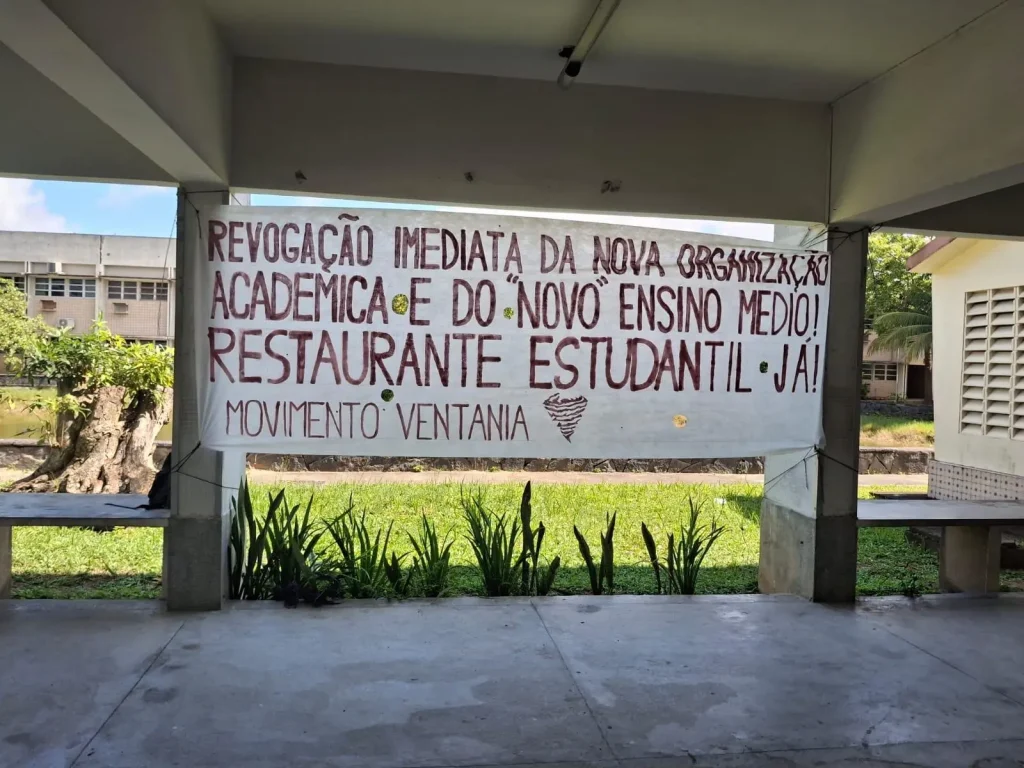
At the Federal Institute of Pernambuco, the Movimento Ventania organized a reception for incoming freshman students on September 9. Members distributed a guide with class schedules and other information while distributing leaflets and hanging banners around the campus, promoting the combative stance of the Student Movement and the Agrarian Revolution.
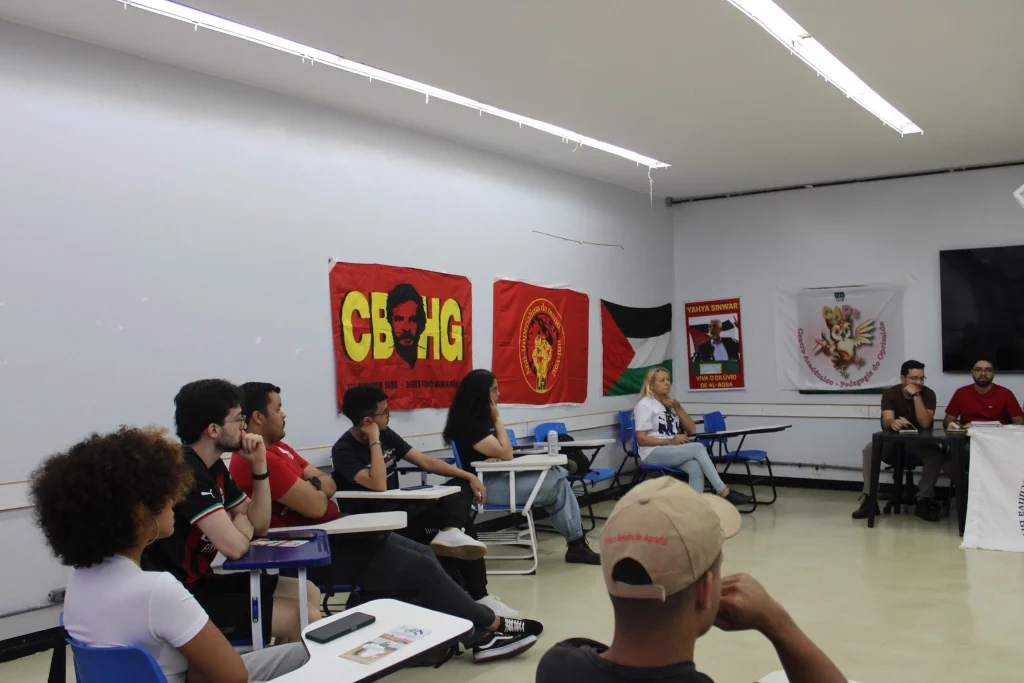
Another initiative took place at the University of Brasília on September 24 during the institution’s annual academic week, A Nova Democracia reports. The event, titled “The Anti-Imperialist Struggle and the Role of Youth in the Revolution,” organized by the Brasília Executive of Pedagogy Students (ExBEPe). The meeting brought together representatives of student organizations, anti-imperialist groups, solidarity movements, and the Sahrawi Arab Democratic Republic. Its main political outcome was the foundation of the Brasília nucleus of the International Anti-Imperialist League (AIL).
Speakers discussed the role of youth in national liberation and revolutionary movements, including the Sahrawi struggle for independence. They connected these international examples to Brazil’s history of student activism and to current demands for financial assistance, public education, university restaurants, and opposition to privatization.
Participants also argued that universities should serve workers and rural communities rather than primarily benefiting large landowners and export agriculture. A student representative called for direct mobilization and greater participation in university decisions, while a speaker from the AIL linked poverty, unemployment, poor transportation, and political repression to imperialism and Brazil’s economic dependence.
The event concluded with the foundation of the Brasília AIL nucleus, intended to promote political education, international solidarity, and cooperation among student and other popular movements.