Latest News in the Struggle for Land in Brazil
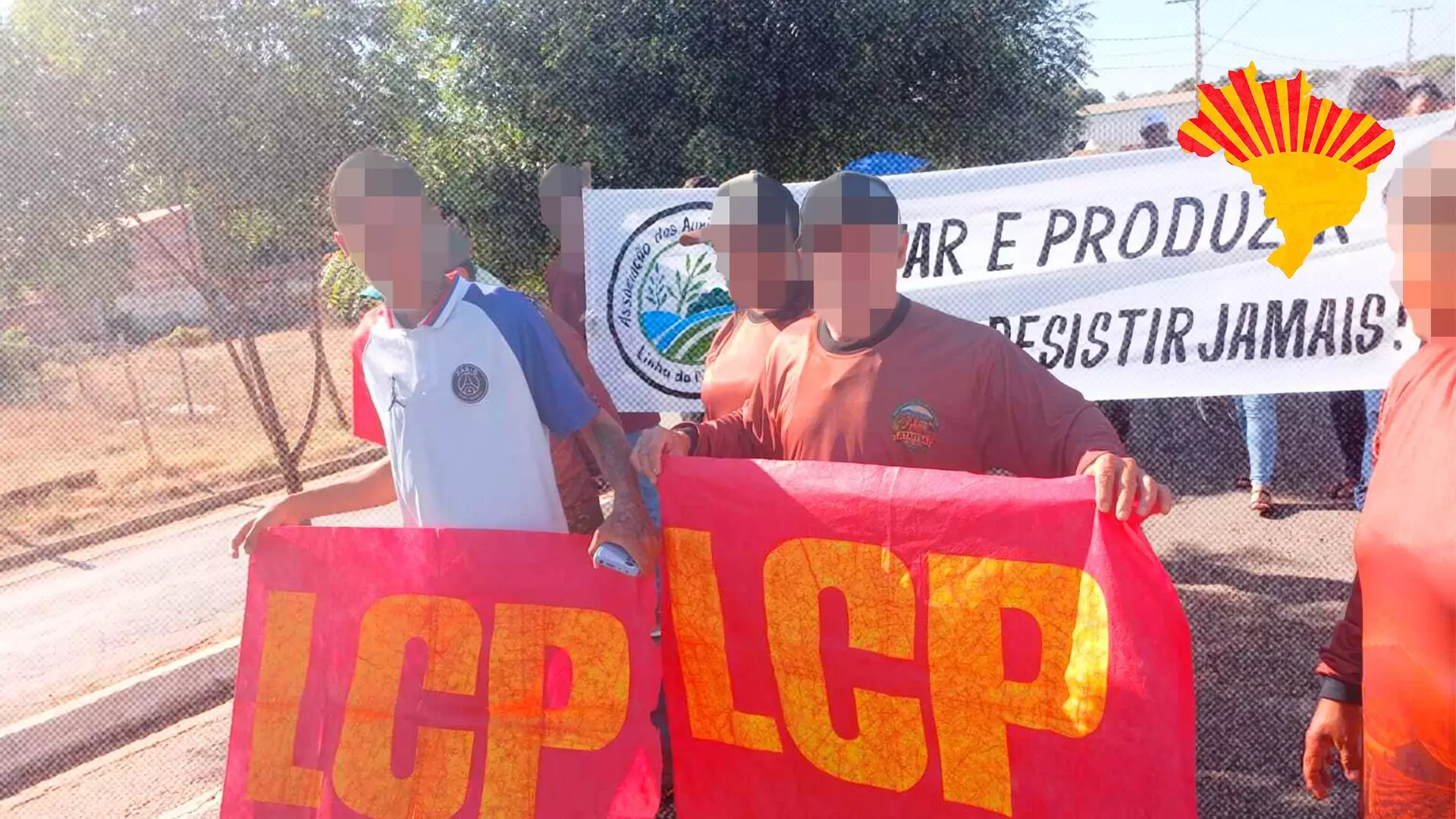
Featured image: Peasants and representatives from around 30 associations march in Jaíba (MG), on July 11th, against threats of eviction promoted by CODEVASF and for the right to remain, work and produce on the land. Source: AND
We hereby share some updates on the struggle for land and the ongoing Agrarian Revolution in Brazil, based on the latest “New Brazil Bulletin”, published by A Nova Democracia (AND) on the 6th of August.
Minas Gerais: Peasants rise up against evictions in the Jaíba Project.
At least 380 families in Jaíba and Matias Cardoso, in northern Minas Gerais, are threatened with eviction from lands where many of them have lived and worked for more than four decades. The São Francisco and Parnaíba Valleys Development Corporation (CODEVASF) intends to evict the families by implementing the 3rd and 4th stage of the Jaíba Project.
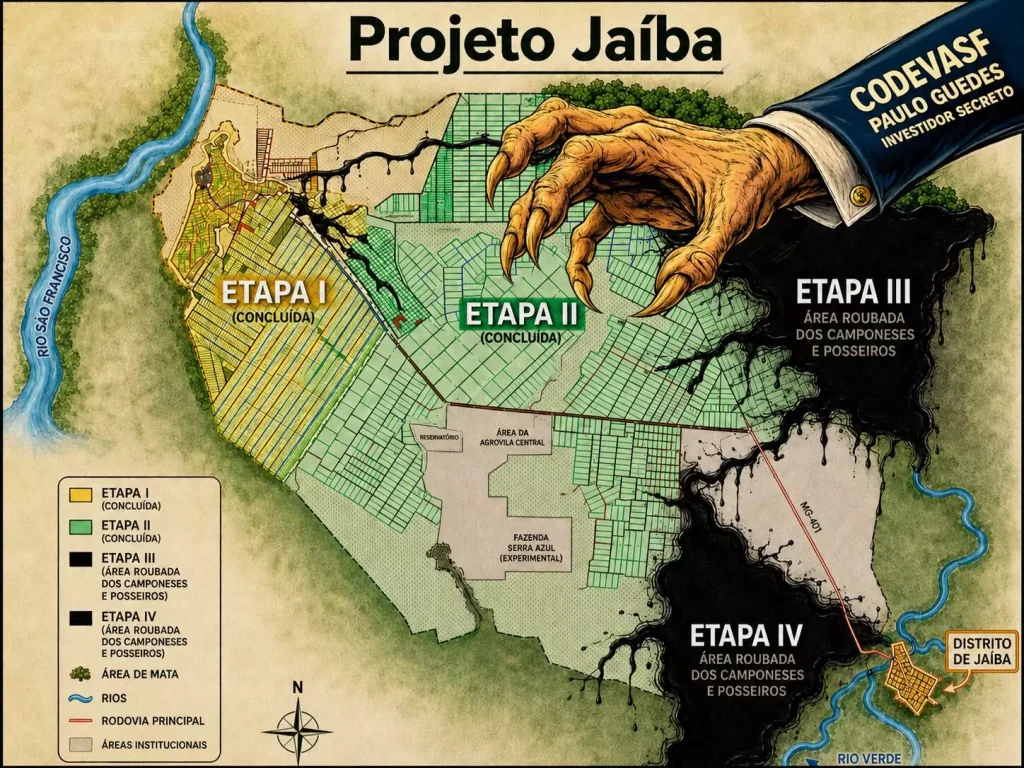
A complaint was launched by the League of the Poor Peasants (LCP) of Northern Minas Gerais and Southern Bahia in the bulletin “Levanta Jaíba!” (Rise Up Jaíba!). LCP states that meetings convened by CODEVASF were not aimed at listening to the peasants, but at communicating their removal and pressuring them to accept insufficient compensation. The LCP also denounced the existence of investors interested in buying the dryland at reduced prices and profiting from its appreciation after the installation of irrigation.
The peasant families facing evictions have raised the struggle for their land, so far carrying out two major mobilizations. On June 27th the peasants organized a motorcade and march with tractors, motorcycles, and cars, carrying banners protesting the evictions.
On July 11th, representatives from around 30 associations returned to the streets of Jaíba, marching with banners proclaiming “Fight and produce always, never give up!”, “Land to those who live and work on it!”, “We want security to produce” and “We have been on the land since 1996. We demand recognition of our rights and definitive title.”
One leader called for unity among the peasants with the workers and merchants in the municipality:
“Let’s unite peasants, merchants, and workers in general from Jaíba to defend the right of all peasants who produce on their land to remain on it. Let’s organize everyone to join against the threat of eviction of peasant families from Serra Azul, for the expansion of stages 3 and 4 of the project. We know what is sold at the market and what is produced in this city. We fight for the right to be on the land, to remain on the land, to produce, to sell, and to live with dignity. Long live the struggle for land!”
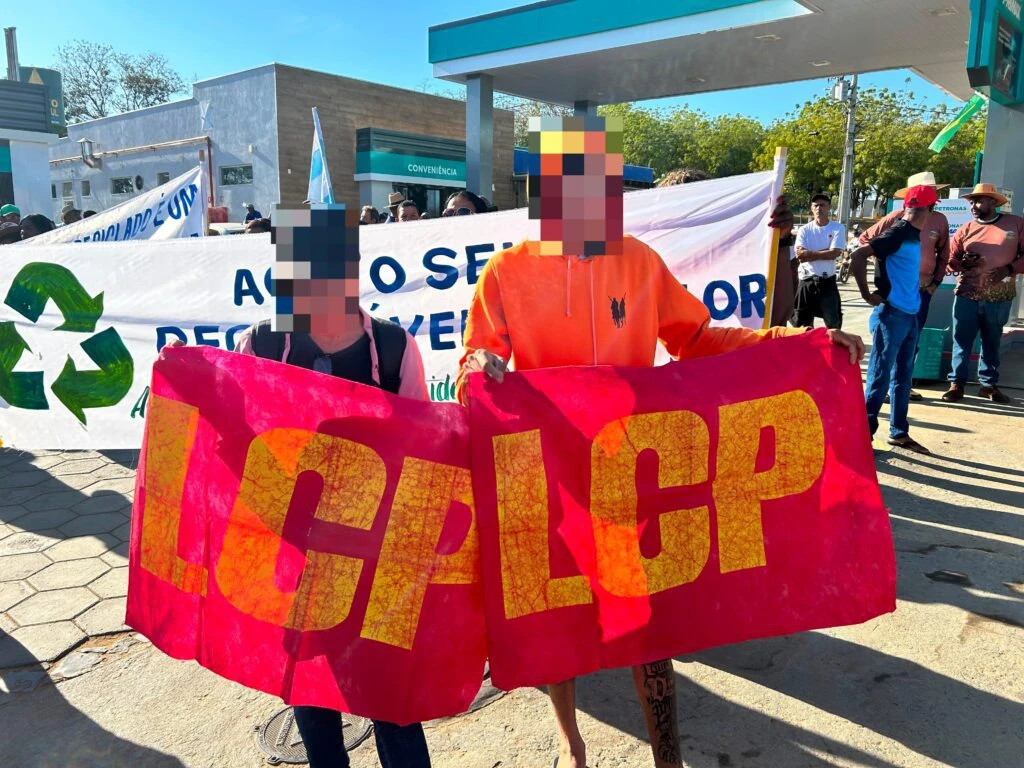
AND reports that new decisions have been postponed until September, and that the LCP is preparing another mobilization for the start of the month.
Indigenous peoples call for mobilizations against new barriers to land demarcations.
Indigenous organizations from different regions called for mobilizations between August 7th and 18th, a period in which the Supreme Federal Court (STF) is expected to resume reviewing appeals related to the so-called Temporal Framework Law.
The Supreme Federal Court (STF) ruled that the argument—according to which indigenous peoples would only have rights to lands occupied as of October 1988—was unconstitutional. The decision, however, upheld provisions that could halt land demarcations and undermine land reclaiming efforts. Among these are compensation for the value of the land itself to occupants who present title deeds deemed to be in good faith, the right to remain on the territory until payment is made, and the possibility of offering indigenous peoples land other than that traditionally occupied.
Another provision punishes land occupations, placing the respective demarcation process at the end of Funai’s (National Foundation of Indigenous Peoples) queue. The decision also allows for immediate removals and imposes deadlines for the Indigenous peoples to present their claims, despite the fact that the old State itself has paralyzed hundreds of processes for decades.
The new regulations transfer the cost of state inaction to indigenous peoples and transform compensation for occupants into another financial barrier to land demarcation. Leaders and organizations are preparing actions in Brasília and in the territories to monitor the trial and defend the right to reclaim their lands.