Mural Newspaper: Who Says They Died?
We hereby share an unofficial translation of an article published by Mural Newspaper from Mexico.
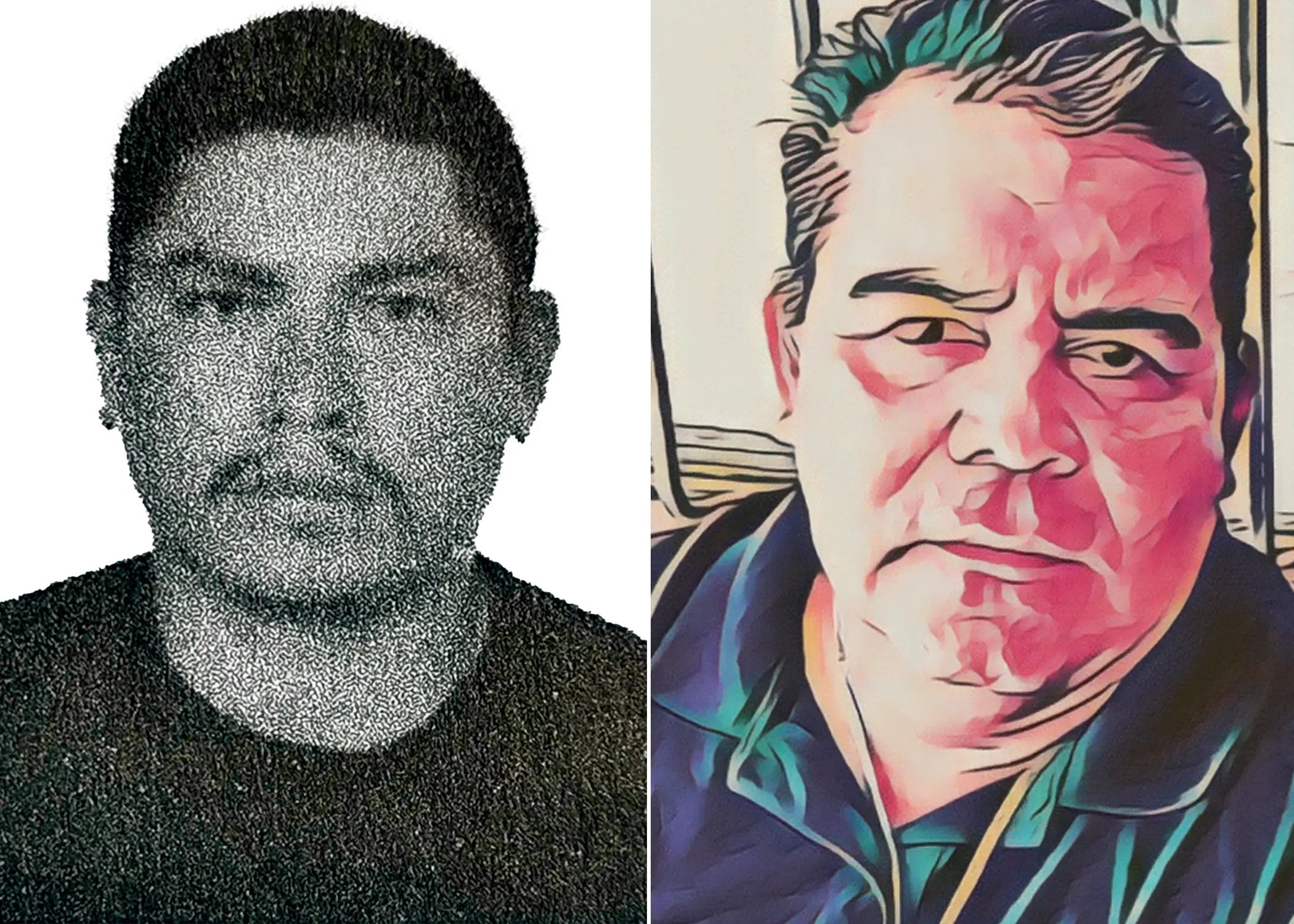
Seven years ago, on April 11, 2019, an armed group riding two motorcycles shot Luis Armando Fuentes Aquino at point-blank range on the streets of San Francisco Ixhuatán. Then, three years ago, on April 13, 2023, an armed group also riding two motorcycles murdered Félix Vicente Cruz in broad daylight in the Veinte de Noviembre Municipal Agency, “El Morro.”
In addition to the modus operandi of both crimes being similar, the two murders were committed against individuals who, at the time, served as community leaders and land defenders. Luis Armando and Félix served as Municipal Agents of Cerro Grande and Veinte de Noviembre, respectively, both localities belonging to the municipality of San Francisco Ixhuatán in Oaxaca. A place where state violence and organized crime have escalated with the announcement of mega-mining projects and the construction of “Line K” of the Interoceanic Corridor of the Isthmus of Tehuantepec (CIIT).
Luis Armando was a fisherman and had only completed high school. Félix, on the other hand, was an artist dedicated to theater and dance, and for many years he worked as a radio announcer. Both had deep indigenous roots and community values, which is why they joined the rebellion in the municipal agencies in 2010, fighting against the Matus family’s feudal rule to defend the municipal resources of branches 28 and 33. During those days plagued by threats, abductions, and shootings by the white guards, the communities managed to prevail and build a coordinated process of resistance. That is where the Civil Resistance Network against High Electricity Rates (Ixhuatán) and the Committee in Defense of the Land of the Eastern Zone of the Isthmus were born, with Luis Armando eventually becoming its President.
Luis Armando was murdered just one day after leading a large demonstration marking the 100th anniversary of General Emiliano Zapata’s death, which drew more than 2,000 poor farmers and fishermen. Weeks earlier, he had faced dangerous incidents, including threats from CFE officials and gunfire from PABIC officers at a rally. Félix was murdered after presiding over an assembly where it was agreed to strengthen community self-defense in the face of criminal groups and to submit a petition to the Municipal Council demanding respect for the community’s autonomy. Days earlier, he had reportedly received anonymous threats by phone.
Throughout all these years, no one has been arrested for either crime. After significant pressure from the communities, the Oaxaca State Attorney General’s Office (FEGO) admitted that Onofre Jiménez Rasgado (a.k.a. “El Teco”), the alleged perpetrator of Luis Armando’s murder, is not actually dead, and that the report submitted by the investigators was a fabrication designed to allow him to evade justice. In Félix’s case, the FEGO never had a clue about anything; it didn’t even make sense to them that the entire community would rush toward Felipe López Matus, the re-elected Morena mayor, amid boos and accusations.
The new community leaders in these towns told Periódico Mural that, following the murders of their comrades, the social fabric has been torn apart; that the City Council—still controlled by the Matus family—has formed an alliance with organized crime; and that these criminal groups have spread terror through informants and threats.
However, the entire spiral of reactionary violence has not managed to completely destroy the coordinated process of community resistance. On some small houses, among the palm trees and reeds, among the adobe and cement blocks, one can see Civil Resistance stickers and some Red Sun flags.
As they drink coffee with totopo [Translator’s note: a type of corn tortilla], the people of the communities bring to mind the words of their murdered comrades, Félix’s hearty laugh and his phrase “get to reading, xhunco,[Translator’s note: Mexican word for kid]” and above all the political clarity of El Gato, as they affectionately called Luis Armando because of his green eyes. A blizzard from the south whispers in our ears; it feels as though they are here. Who says they died? Luis Armando and Félix are, as the Sandinistas used to say, among the dead who never die.