Nueva Democracia – Earthquake in Colombia Affects the Poorest
We hereby share an unofficial translation of an article published by Nueva Democracia on the 10th of August.
An earthquake struck big part of Colombian territory at 7:34 AM. The quake, measuring 7.4 on the Richter scale, had its epicenter in San José del Palmar, Chocó.
The earthquake had its strongest effects in Antioquia, Cundinamarca, Cauca Valley, and the provinces of the Coffee Region. The most severe damage has been reported in these areas, particularly in Risaralda and the Cauca Valley.
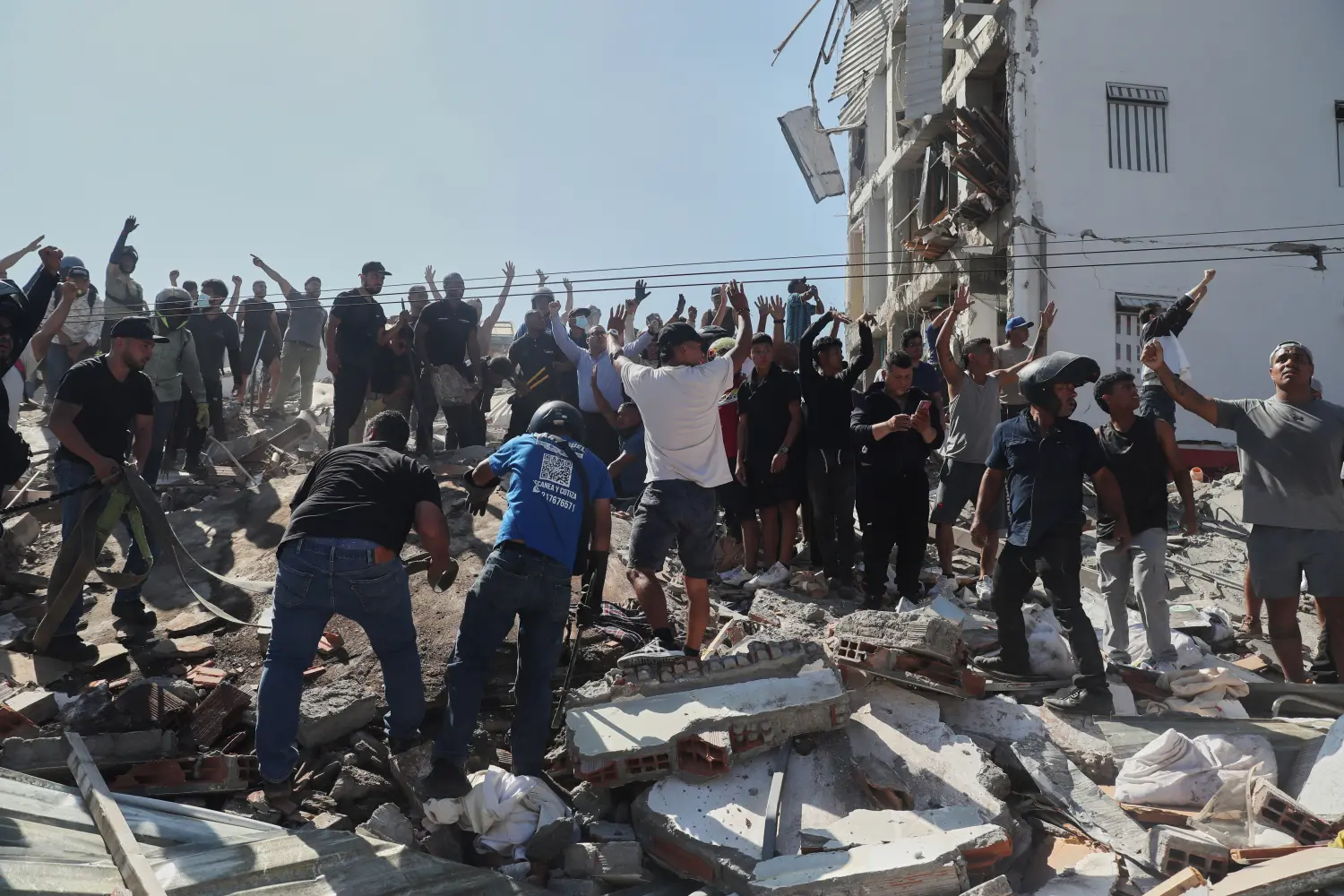
So far, the monopoly media has reported approximately 80 deaths: 40 in Risaralda, 20 in the Cauca Valley, and the rest spread across other provinces [Translator’s note: the number of deaths increased to around 240, according to reports published on the morning of August 12th]. In addition, hundreds of people have been injured or are missing. Meanwhile, relatives and residents are desperately searching for those still trapped under the rubble, while dozens of videos are circulating that show the force of the tremor, the landslides, and the collapse of homes and buildings.
The newly elected president, Abelardo de la Espriella, has stated: “I am in control of the situation.” However, while the government announces the establishment of a command post for the national agency for disaster risk management (UNGRD), the residents are the ones who, in the midst of the emergency, are organizing and working with their own hands to clear the debris and assist those affected.
The State’s negligent response stands in stark contrast to the track record of an entity like the UNGRD, which has been implicated in serious corruption scandals related to the management of public funds—including those earmarked for providing drinking water to residents in La Guajira.
But an earthquake does not affect everyone equally. Those who bear the heaviest burden of disasters are the poor in both the countryside and city. They are the people who live in densely populated neighborhoods, who build their homes on unstable ground because they have no access to other places to live, and who, in the face of an emergency, have fewer resources to protect themselves, rebuild their homes, and restore their livelihoods.
A natural disaster thus becomes a social tragedy: poverty determines who is most at risk, who loses their home, who loses their loved ones, and who has the best chance of recovering.
Therefore, what remains is for all the Colombian people to strengthen their sense of solidarity and organization—to unite to collectively face this crisis and provide support to those who need it most.
The Colombian people must demand better living conditions, decent housing, and health care for the most vulnerable neighborhoods. The cost of this crisis must not once again fall on those who have the least.