Brazil: LCP Commemorates the Peasant Struggles in Paraíba
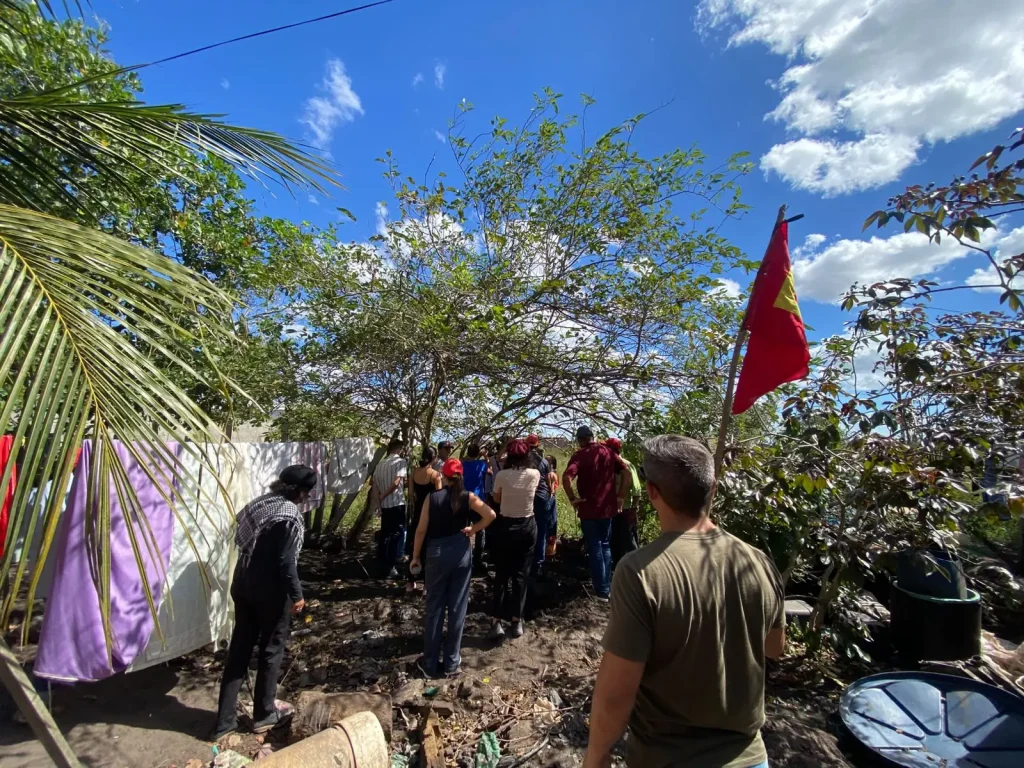
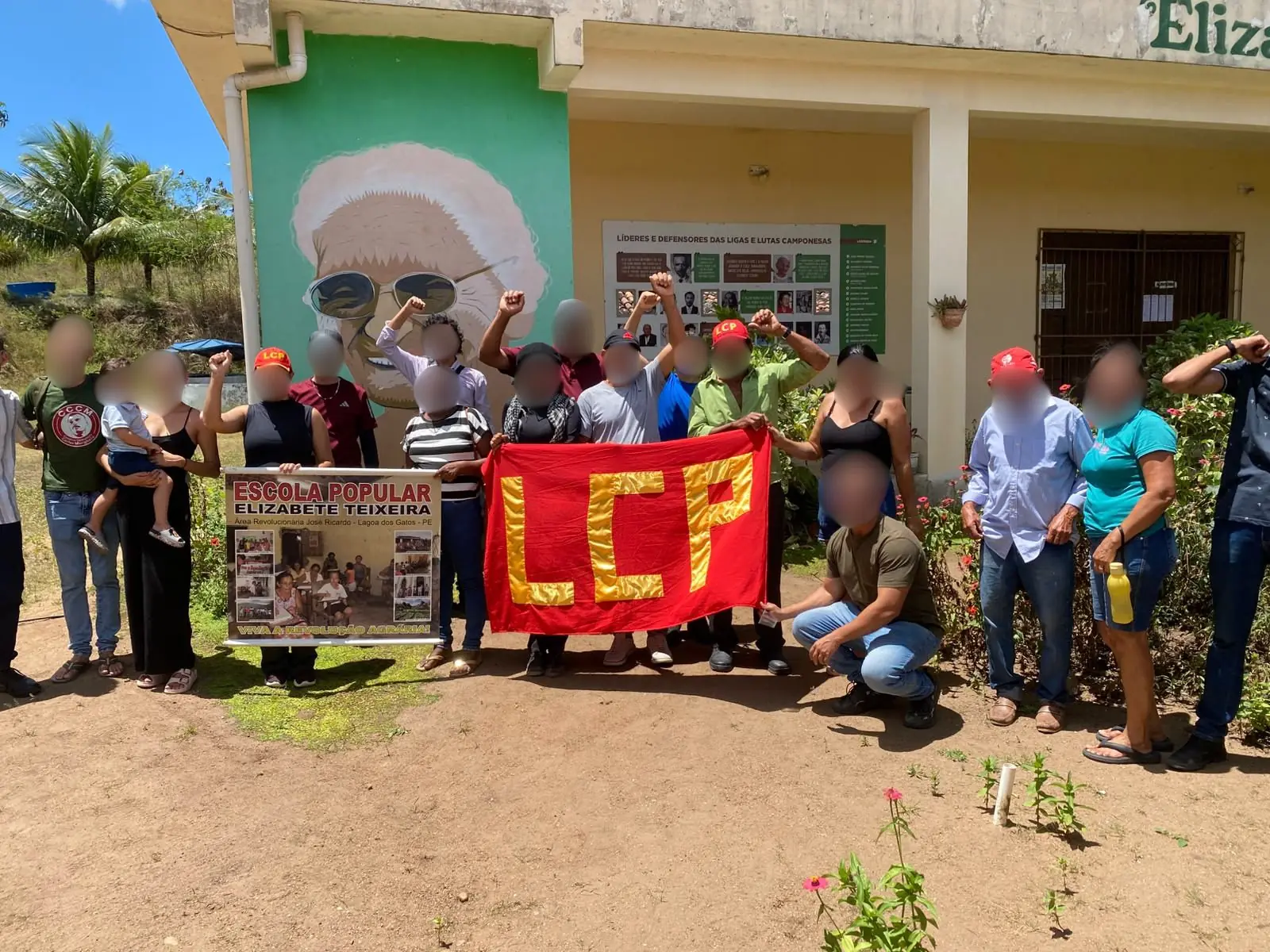
Featured image: LCP delegation in Sapé, Paraíba. Source: AND
A Nova Democracia (AND) reported on a visit by a delegetion from the League of the Poor Peasants (LCP) to the Barra de Antas in the rural area of Sapé in Paraíba. The delegation also included representatives from the Gabriel Pimenta Brazilian Association of People’s Lawyers (ABRAPO), from the People’s Women’s Movement (MFP), as well as students and supporting activists. They discussed with local peasant leaders about the current struggle for land, and also to visited the Memorial Museum of the Peasant Leagues of Sapé – the former home of the historical peasant leaders João Pedro Teixeira and Elizabeth Teixeira.
The area has a long history of peasants’ struggle for land, with one of the oldest agrarian conflicts in Brazil, and the peasants now face the threat of eviction for a project constructing a dam, which would flood and submerge all the houses, crops and even the museum. This threat has been talked about since the early 2000’s but only in the recent years it has become acute, with surveyors been spotted in the areas since 2022. The approximately 700 peasant families have never been consulted about this project prepared in service of the local big landlords. It’s at the same time an attempt to erase history of the centuries-long struggle for land in Brazil, with similar precedents as with what was done with the Canudos Settlement in Bahía.
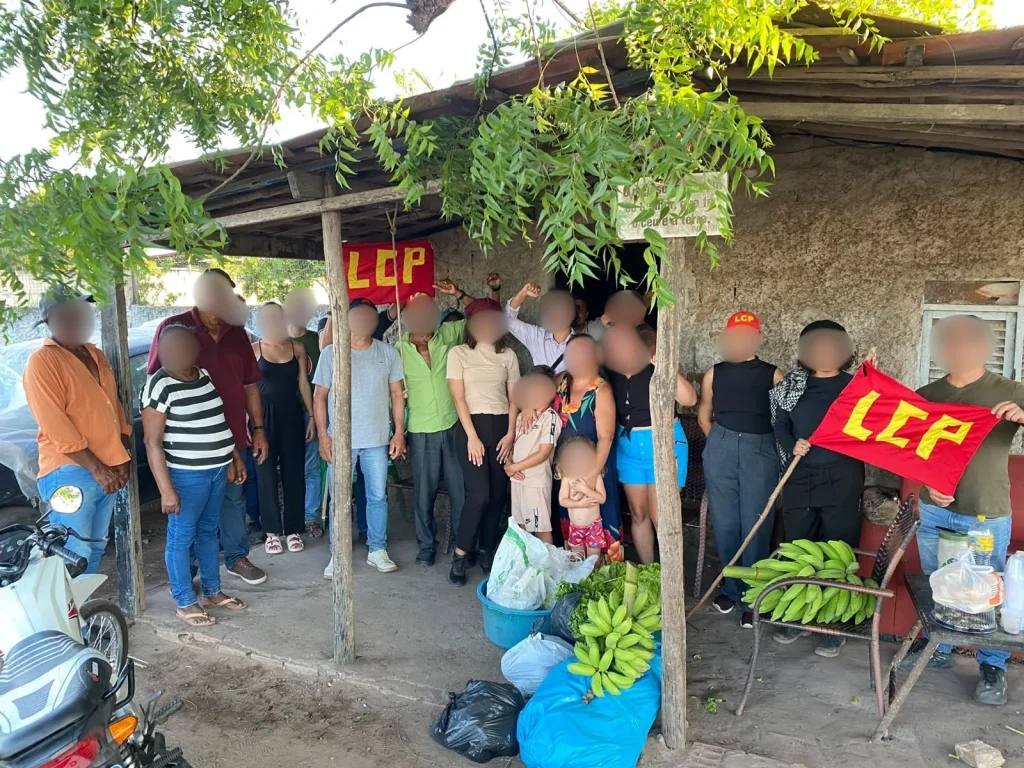
The peasants in the area have been engaged in continuous struggle since the 1962 assassination of João Pedro Teixeira. The territories are now being divided between the big landlords and the INCRA (National Institute for Colonization and Agrarian Reform), leaving the peasant families in extremely vulnerable situation with the corrupt relationship between the INCRA and the latifundium.
AND explains how the INCRA is used to handle the contradiction over the land in favor of the bureaucratic capitalism. Only 21 peasant families (out of around 700) received some territory, which was already extremely exhausted. This became the foundation of the Elizabeth Teixeira Settlement.
At the museum, LCP representatives highlighted the importance of the territory for the struggle for land in Brazil, and how the peasants in the 1960’s initiated the commitment to the struggle, which the LCP has since adopted. The struggling peasants had understood that only the seizure of land from the latifundium, that is agrarian reform by force, would deliver the land to the peasants.
At the end of the visit, the delegation chanted slogans in homage to the heroes and heroines of the peasant struggle, such as “João Pedro Teixeira, Nego Fuba and Pedro Fazendeiro, Present in the Struggle!”