Colombia – Nueva Democracia: The Poor are the Ones who Suffer from the Economic Rescue
We hereby share an unofficial translation of an article published by Nueva Democracia on November 18.
The economic rescue bill will hit the poorest hardest, especially the rural poor.
The aim was to increase the cost of the basic family grocery basket.
According to DANE, in 2025, 39.5% of the population lived in monetary poverty, and 19.1% of that 39% lived in extreme monetary poverty. Furthermore, according to the UN, 31.4% of rural households were experiencing moderate or severe food insecurity by 2025. While the poverty and hunger figures for the rural population are already quite dire, the rise in prices for many items in the basic family food basket is a severe blow to their economy and will undoubtedly affect the quality of their diet.
What does a typical lunch look like for a poor peasant in Colombia?
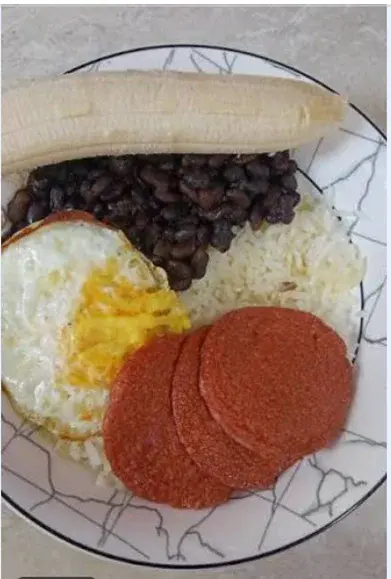
Generally, the peasants’ meals contain little protein, especially of animal origin. Peasants rely on beans, lentils, or other legumes to get a little more nutrition. Their diets also lack variety and include few fruits and vegetables, perhaps a tomato and onion stew with a bit of garlic; juices made from wild tomatoes, guava, or aguapanela. And they mainly consist of several servings of carbohydrates such as rice, cassava, or plantains. These meals are high in calories but nutritionally deficient.
Under the economic rescue bill, fruits and vegetables would initially be subject to a 19% VAT, including even those few items used daily by the peasantry, such as tomatoes, onions, and garlic. Legumes would also cost at least 19% more than their current price. In other words, this would make fruits and vegetables even less accessible as part of the diet of poor peasants and further restrict consumption of plant-based protein sources, which are the cheapest and most readily available to households with lower socioeconomic status. The economic rescue bill condemns
the poorest to hunger.
It will increase the cost of agricultural production for small and medium-sized producers

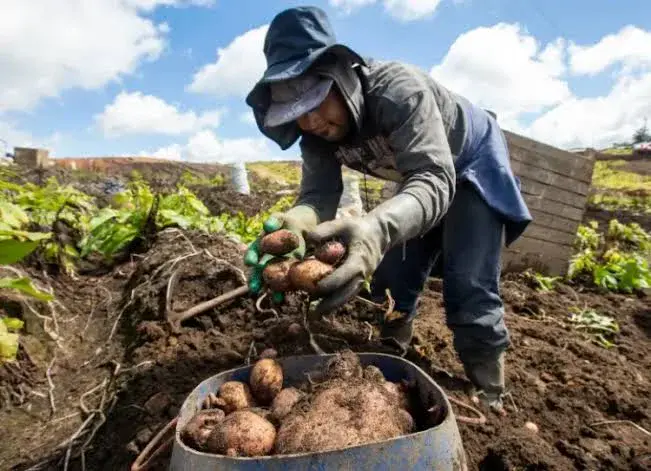
Under the initial proposal of the Economic Rescue Act, the agricultural inputs necessary for production would see their taxes, and thus their cost, increase by 19%. We are talking about fertilizers, compost, pesticides, and herbicides, but also agricultural machinery, irrigation equipment, and other agricultural products. Even seeds for planting (such as cilantro, wheat, rye, barley, oats, corn, peanuts, sesame, and many others) will be taxed at 19%. Animal feed, which was previously taxed at 5%, will now be taxed at 19%, and purchasing hens, chickens, ducks, turkeys, and farmed fish will cost 19% more.
Agricultural production will become more expensive, and it is small and middle peasants who will bear the brunt of this cost. It will cost them more to produce the same amount, and they will certainly have to sell their products at higher prices. Yet even so, this will likely not be enough to offset the new expenses, which means they will become even poorer. The economic rescue law will destroy the rural economy. It will ruin the rural poor.
This also makes it clear that even though some foods in the basic family grocery basket are exempt from the 19% tax, their prices will still rise, since the cost of all production will increase. Rice, meat, dairy products, and eggs, among other items, will surely skyrocket. The economic rescue bill is a crime that primarily hits rural households in the pocketbook and the dining tables of the poorest families.
Big landlords must be celebrating this miracle
While the economic rescue bill seeks to strip the poorest, most oppressed, and most exploited of their resources, for large landlords it represents benefits and tax exemptions.
First, there is the issue of VAT. One might think that for large agricultural producers, this VAT increase also represents a significant burden, as it will raise their production costs. In reality, they have already had, for years, under previous laws, a mechanism that ensures the cost of VAT does not negatively impact their finances. According to Articles 485 and 488 of the Tax Code, businesses liable for this tax may deduct from the VAT they collect on the sale of their products the amount they previously paid on the purchase of supplies, raw materials, machinery, and services used in their production activities, provided they meet the legal requirements. In this way, they recover a significant portion of the VAT paid on their purchases through tax credits, so this tax represents a much smaller burden for them in the production process. Furthermore, as large wholesalers, they receive substantial discounts when purchasing, discounts that the small peasantry cannot even begin to access.
We know that large companies will see their income tax reduced by 5%. But on the other hand, there is the special regime known as RUGE, which is more of a purr than a roar for large investors. An agro-industrial company would only have to invest 135,124 million COP, the lowest minimum investment amount required to qualify for RUGE benefits. This could reduce its taxes by up to 15% compared to the general rate under the Rescue Act. Additionally, dividends paid to foreign investors would be taxed at a rate of 8%, down from the current 20%.
On the other hand, raising the minimum net worth threshold for paying the wealth tax from 72,000 to 95,500 UVT (approximately 5,002 million COP based on the 2026 UVT) will benefit big landlords who, until this year, were paying taxes. In other words, the wealthiest in rural areas will reduce their payments to the State, while the poorest will see their payments increase. Abelardo de la Espriella is going to hand the country over to the imperialists; he is going to bring about the miracle of increasing the plunder and exploitation of the poorest for the benefit of our nation’s ultra-rich and big landlords.