Colombia: First-hand Account on the Struggle for the Aguas Blancas Land
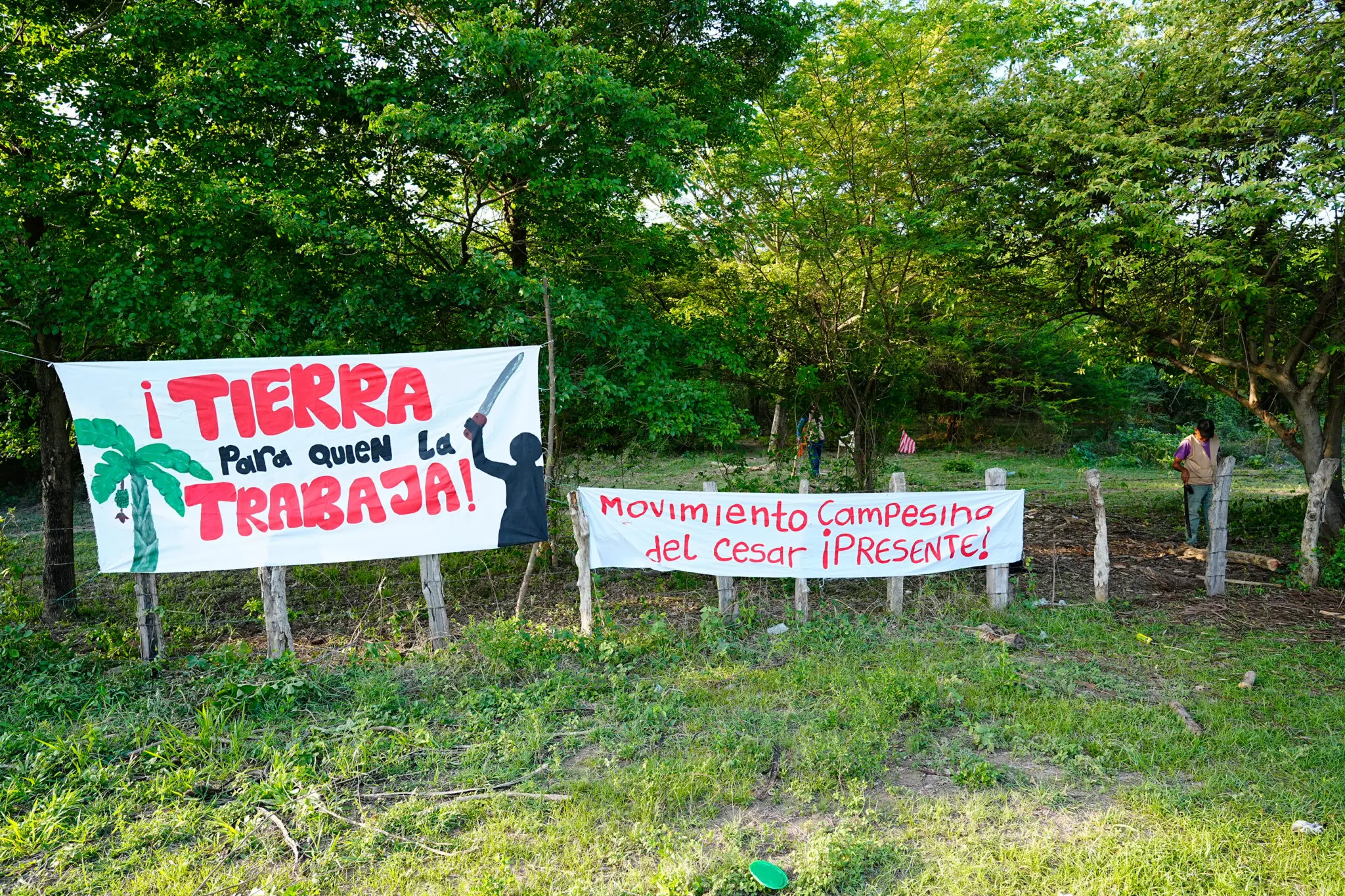
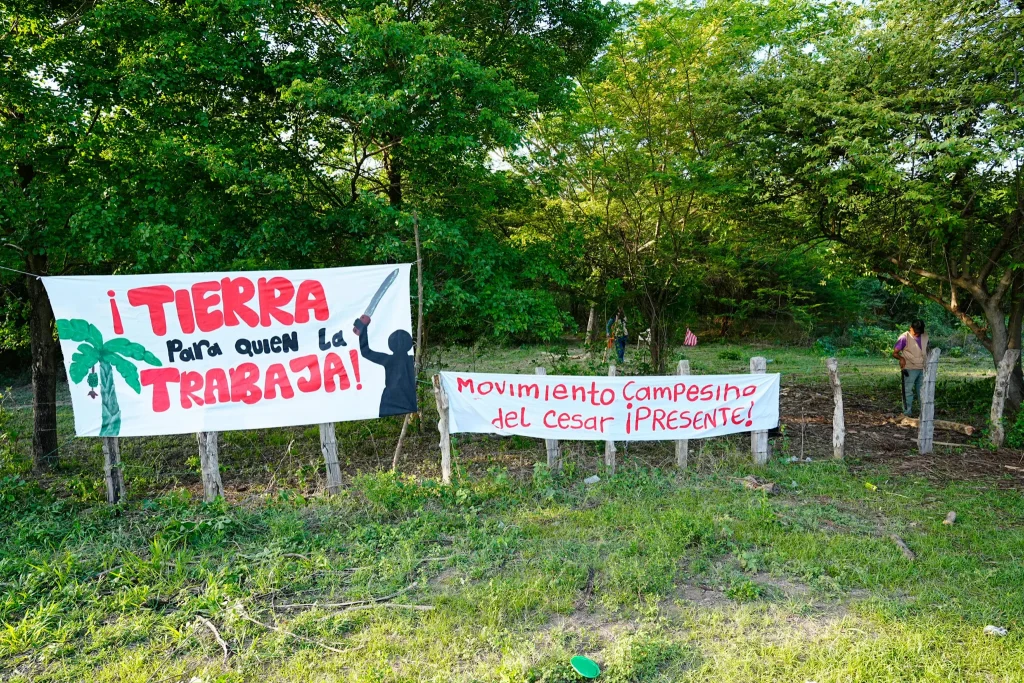
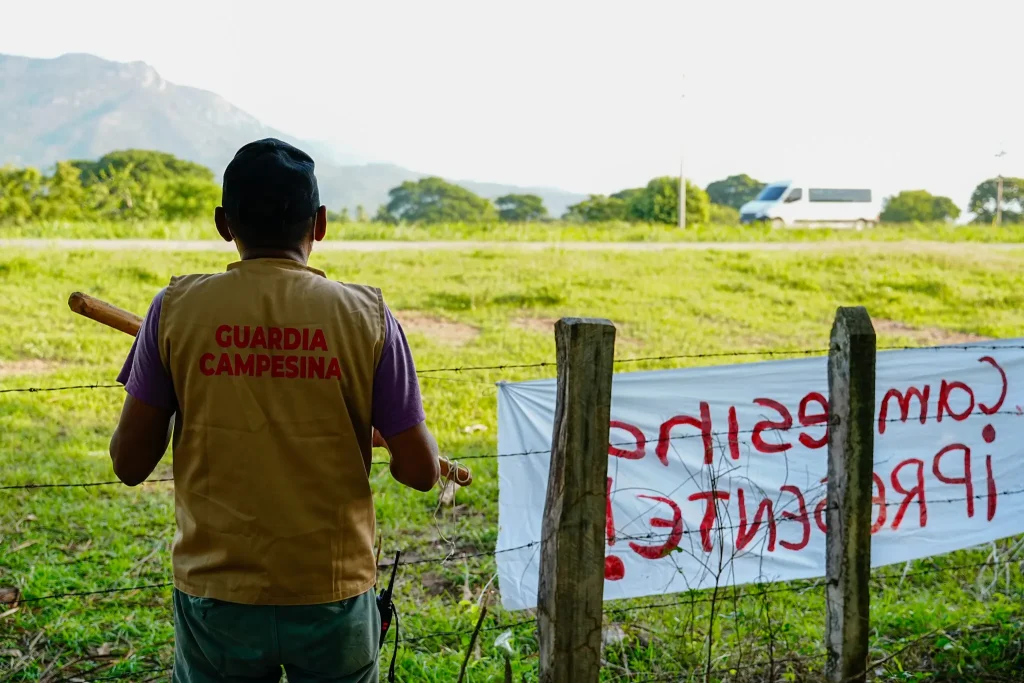
Featured image: Banners hanging on the fences surrounding the land of the reclaimed land of Aguas Blancas. Source Nueva Democracia
Nueva Democracia published recently, on the 5th of June, a first-hand account on the peasant occupation of the Aguas Blancas land, and the subsequent struggle to reclaim it for the peasants who work the land, painting a vivid picture of the agrarian revolution being carried out in Colombia, and of the spirit of struggle and comradery found in the peasants in their fight for land.
The first-hand account follows a student, who hears of the Aguas Blancas land reclamation about to be carried about by the peasants in and around the Valledupar village, and travels there to lend their support in this struggle. During his stay with the peasants on the reclaimed land of Aguas Blancas, he is welcomed with open arms, and is instantly put to work with the many tasks that the peasants must carry out to prepare the land for work, and the work that must be carried out to defend it.
As we have previously reported, the Aguas Blancas land has been unoccupied for nearly two decades, controlled by the Special Assets Society (SAE), responsible for the confiscation of land from convicted criminals. Previously the land was owned by one of the main paramilitary leaders in the region. Despite the promises of the State that unoccupied land such as Aguas Blancas was to be redistributed according to the agrarian reform, land remains unoccupied, while the peasants are forced to work for the big landlords, earning or producing just enough to sustain themselves.
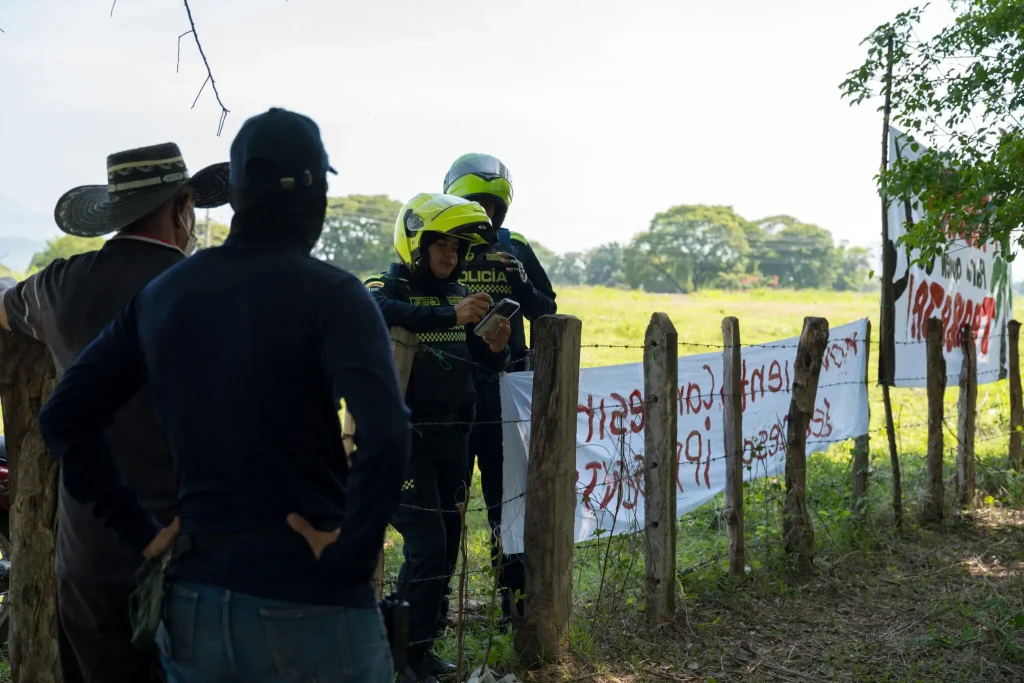
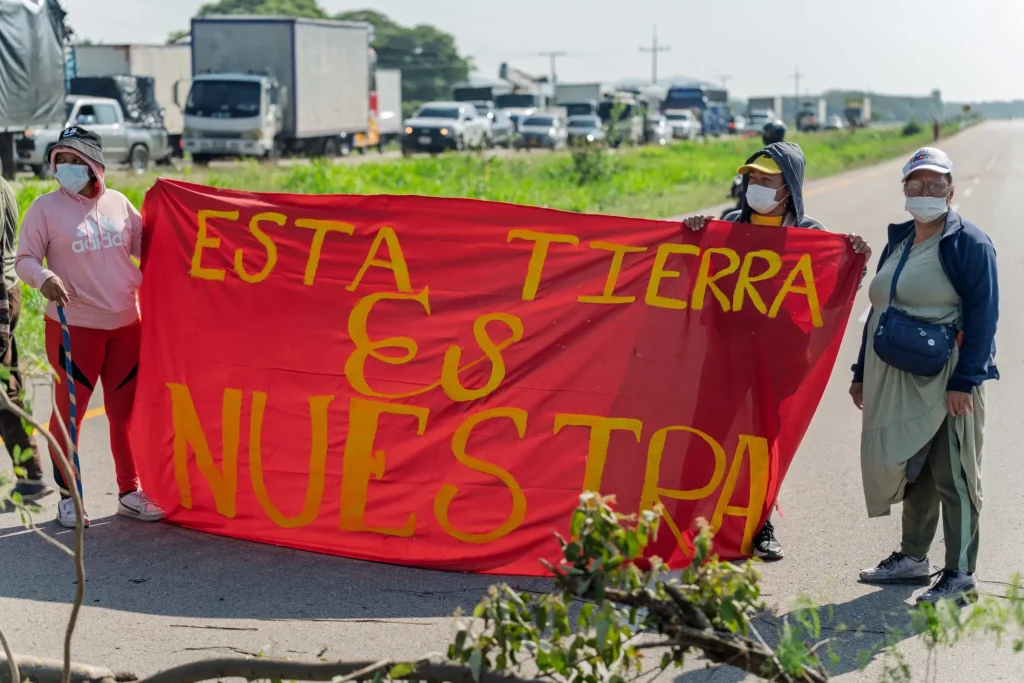
The student tells of the peasants burning zeal and enthusiasm for the land reclamation, many of whom have lived their whole lives facing displacement, repression and insecure living conditions – now taking their destiny into their own hands, reclaiming the land for those who work on it. On the fences surrounding the 140 hectares of the Aguas Blancas land, two banners were hung, reading: “Land for those who work on it!” and the other, as the student phrases it, foreshadowing the victory to come: “This land is ours!”
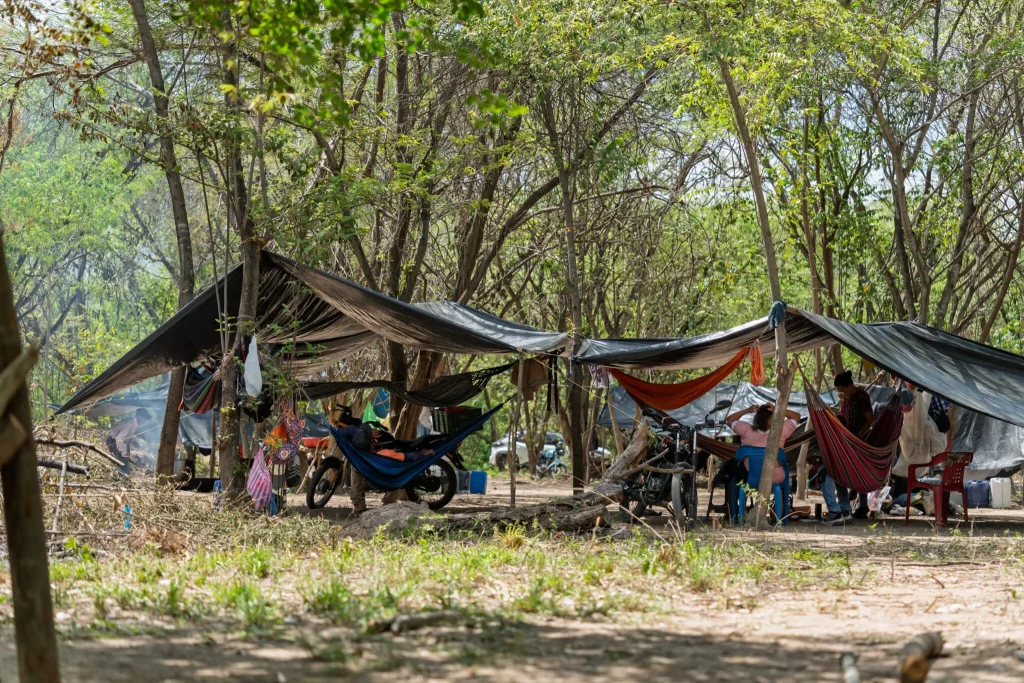
The student is quickly given tasks, and describes the hard work ethic of the peasants, all working with incredible determination to prepare the land and to fulfill the many pressing tasks, like the preparation of food and supplies, or the clearing of land or the construction of shelter. He highlights the fact that in the camp, everyone referred to each other as “comrade”, clear to all was the fact that this would be a struggle, and that together they would defend this land.
The student recounts that at some point the police arrived, who had received a complaint requesting for the land reclamation to cease and requesting the police’s intervention. The police informed the peasants – after accusing them of being criminals due to the covering of their faces – that they would have until tomorrow to clear the land. An assembly was called as soon as they left, and it was decided that some would organize a march to the government buildings in Valledupar calling for a stop to the eviction, while the preparations for resistance would be made, would it come to pass that the police tried to forcefully evict them.
The preparations were made, and the march was carried out. No authorities had intervened on the peasants behalf. A decision was made in the morning assembly the next day that the highway going past the Aguas Blancas land would be blockaded, preventing the police trucks from reaching the entrance to the land. The peasants were prepared for the struggle and resistance to come, fully determined to defend the land. The blockade was constructed, and many conversations were had with the passersby, who expressed their solidarity. During the blockades the peasants chanted slogans such as “Who are we? – Peasants! What do we want? – Land! Why? -To work with it!” and “We are not invaders! We are peasants!”. Eventually the trucks of the Special Operations Group of the Police (GOES) and the Mobile Anti-Disturbance Squadron (ESMAD) arrived, carrying police in full riot gears, wielding “non-lethal” weapons. The GOES had entered the camp armed, and at that point the peasants returned to the camp in order to defend it.
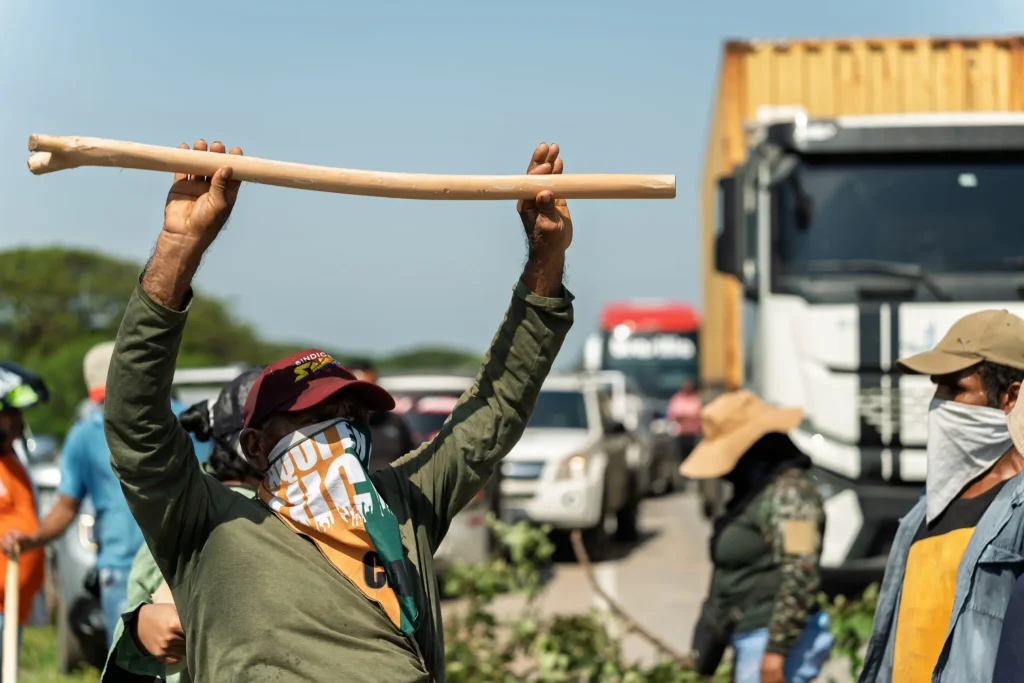
The police made it clear that they would not hesitate to use force to evict the peasants, but the peasants stood firm, knowing that if they were evicted today, they would simply return the next day. Eventually, however, minutes before the eviction was set to begin, the peasants received word that the National Land Agency (ANT) officials had caught wind of the reclamation and that they were on their way, who according to the student “went to the site under pressure, anticipating serious errors in due process and violations of regulations by the security forces. […] faced with the mobilization and resistance of the peasants at that location, the institutions not only sided with the protesters, but were also forced to accelerate a process that had been delayed for years: handing over the land to the landless peasants.”
After their arrival an agreement with the peasants was made that the formal agreements would be made, and that the peasants would take over the ownership of the land, marking a momentous victory in their struggle. The next day, after the officials had prepared their papers and made their triumphalist declarations, announcing the new ownership of the land, the student recounts the joy and excitement in the eyes of the peasants as they embraced each other exclaiming “We have land, comrade!”.
We highly recommend reading the full account published by Nueva Democracia, which can be found here:
We have previously reported on the peasant reclamation of the Aguas Blancas land: