AND – Strategic Defeat of Yankee Imperialism Against Iran
We hereby share an unofficial translation of an article published by A Nova Democracia (AND) on the 19th of June.
A Propósito Debate: Iran-U.S. Memorandum Seals the Strategic Defeat of Yankee Imperialism
On the program A Propósito, broadcast on June 18 on the AND YouTube channel, Renato Aroeira —a cartoonist, musician, and contributor to the Instituto Conhecimento Liberta (ICL) and Brasil 247 – and Eduardo Papa – a history professor, journalist, visual artist, and columnist for the newspaper Pimenta Rosa— and the newspaper’s director-general, Victor Bellizia, discussed how the memorandum signed between Iran and the United States (US) confirms the strategic defeat of Yankee imperialism in the so-called “Greater Middle East” and the crisis of its status as the sole hegemonic superpower.
Watch the full episode:
Listen to A Propósito on Spotify:
Speaking on behalf of AND, Victor Bellizia stated that the memorandum represents “a defeat of monumental proportions” for Yankee imperialism. According to him, this episode formalizes the end of a historical period marked by imperialism’s general counterrevolutionary offensive in the post-Cold War era and points to the dawn of a New Period of Revolutions in World History.
“A historical period is coming to an end before our very eyes,” Bellizia stated. For the AND representative, this period was the so-called “Pax Americana,” ushered in after the defeat of the first wave of experiments in the dictatorship of the proletariat and sustained by military blackmail, the presence of Yankee bases around the world, and imperialist deterrence.
Eduardo Papa stated that the memorandum should be viewed as “the capitulation of the American empire to Iran.” For the historian, “this event, this date, is an important milestone” and marks “the beginning of the final decline” of Yankee hegemony.
Renato Aroeira assessed that the Yankee empire is in decline, but warned that this decline will not be harmless. “I see it more like Godzilla falling and flipping over, but as it falls, it destroys downtown Tokyo,” he said. For the cartoonist, the US suffered “a major beating at the hands of Iran” and demonstrated to the world that, in the Strait of Hormuz, it is Tehran that dictates the terms.
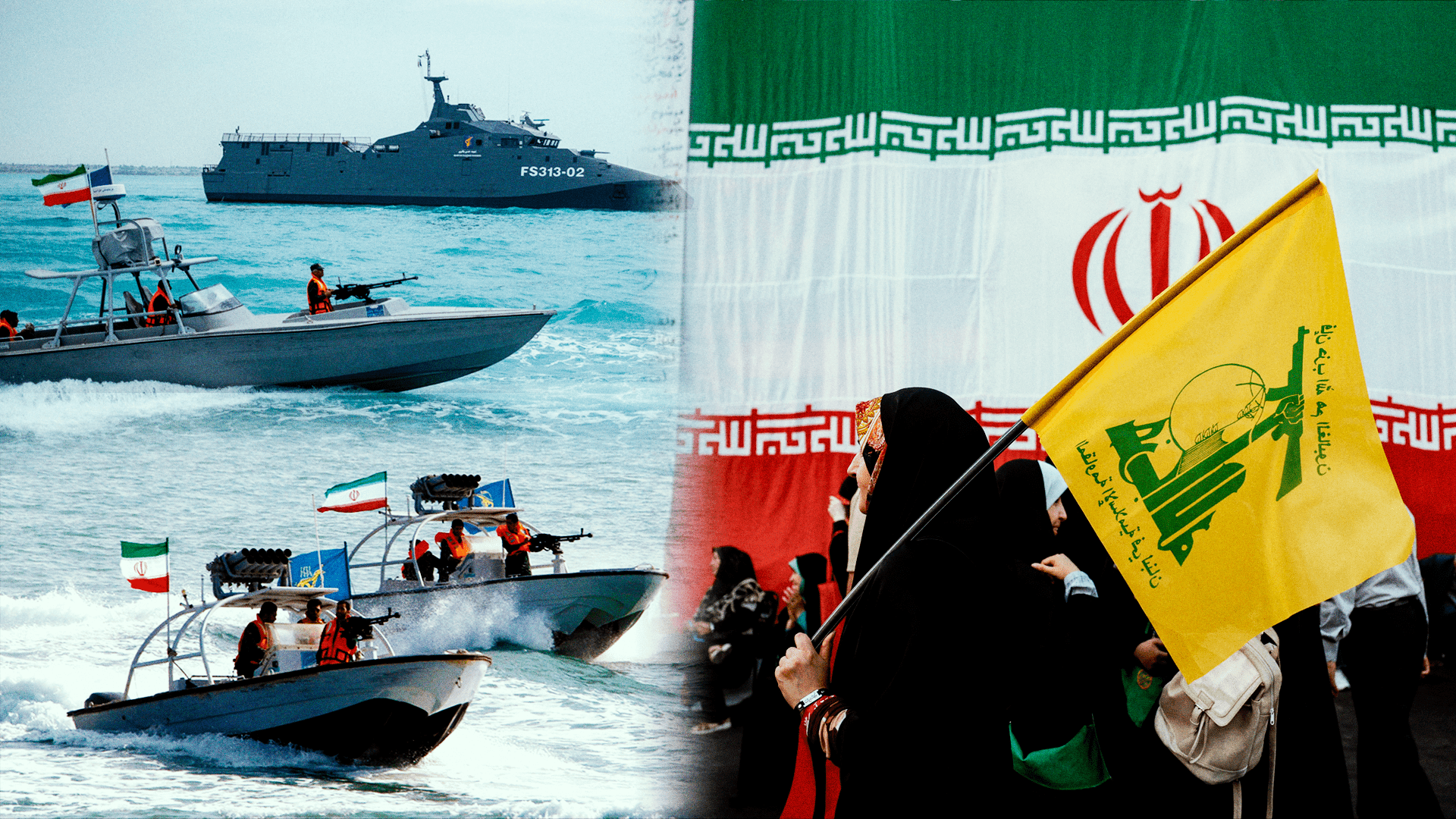
Memorandum Imposes Troop Withdrawal and Confirms Yankee Defeat
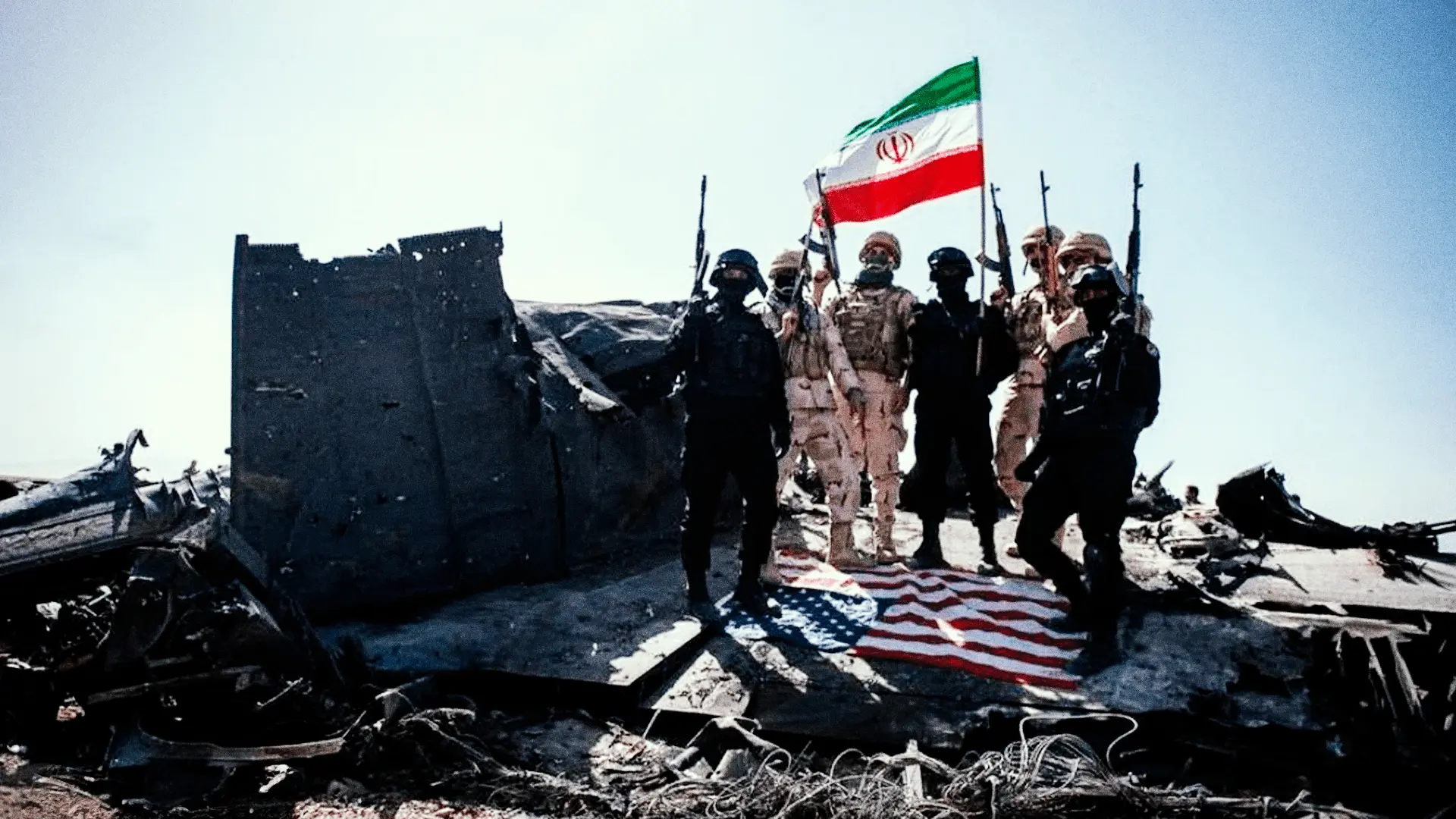
The Iran-US memorandum formally entered into force on June 18th, following the digital signatures of Iranian President Masoud Pezeshkian and Yankee leader Donald Trump. The document, known as the Islamabad Memorandum, consists of 14 points and was brokered by Pakistan.
The most significant point, Bellizia noted, is the provision for the withdrawal of US military forces from the Iran and Gulf regions within 30 days of the final agreement. The text also establishes the immediate and permanent end to military operations on all fronts, including Lebanon, and commits the parties to refrain from launching new military operations.
“The memorandum stipulates—and I think this is perhaps the most significant point, along with the agreement providing for compensation to Iran—that the US will withdraw its military forces from the region of Iran and the Gulf within 30 days of the final agreement,” stated the director-general of AND.
According to Bellizia, given that Yankee imperialism imposes its hegemony through troops and bases scattered around the world, the withdrawal from the Gulf region “cannot be considered a trivial event.” For him, the fact takes on even greater significance because it occurs after Iran defeated the political and military plans of Yankee imperialism in coalition with Nazi-Zionism.

AND had already reported that the memorandum also calls for the immediate lifting of the naval blockade against Iran, an end to any blockade, harassment, or obstruction of Iranian ships and ports within 30 days, and the preservation of Iranian sovereignty over the Strait of Hormuz.
In addressing the withdrawal of troops and the vulnerability of Yankee military bases, Bellizia drew on a statement by Mao Tsetung regarding the Yankee military presence around the world. The Chinese revolutionary asserted that every US military base on foreign soil was like the end of a rope handed to the oppressed peoples, all of them tied around the neck of the “colossus with feet of clay.”
For AND, this picture is borne out in the case of Iran. The network of bases that was supposed to guarantee the military hegemony of Yankee imperialism has also become its vulnerability. The more Washington spreads its troops and military installations around the world, the more leverage it gives to the peoples facing its aggression.
‘The war didn’t bring us to our knees’
The agreement also provides for negotiations on a plan for Iran’s reconstruction and economic development, estimated at at least $300 billion, in addition to the lifting of sanctions and the release of frozen Iranian funds and assets. According to information published by AND, Iran’s defense and missile capabilities were left off the negotiating table.
The Iranian position was summarized by Foreign Ministry spokesman Esmail Baghaei, who stated that Iranian missiles “are meant to be fired, not negotiated.” The Iranian government also stated that enriched nuclear material will not be removed from the country.
Follow on daily basis the news section on Palestine:
For Bellizia, the statement made by Iranian representatives after the memorandum was signed—“the war did not bring us to our knees”—summarizes the moral dimension of the U.S. defeat. The goal of imperialism, he asserted, was to launch a raid on Iranian territory to subdue the government, but the result was the opposite.
“What happened is precisely the opposite,” stated the AND representative. According to him, this kind of defeat strengthens Iran’s objective interests and undermines US power in the eyes of the peoples of the world.
Aroeira also highlighted this moral effect. According to him, one way to overthrow Yankee hegemony is for people to realize that “there’s nothing to admire there.” For the cartoonist, imperialism’s defeat in the realm of communication is part of the crisis: the world is now seeing events unfold in real time, while American columnists and comedians themselves are already commenting that the world hates the US.

Pope: ‘It’s the beginning of the end of the American empire’
Eduardo Papa compared the US defeat at the hands of Iran to historical processes of imperial decline. The professor stated that the Roman Empire took centuries to decline, the Ottoman Empire took more than a century, and the British Empire lost its status as a leading power between World War I and the Suez Crisis.
“Today, this moment, marks the beginning of the end of the American empire,” Papa said.
For the professor, the memorandum is not significant because the US would now suddenly begin to honor agreements. On the contrary, Papa pointed out that Washington has never respected agreements with indigenous peoples and has always violated its commitments. The significance of the memorandum, he stated, lies in the fact that, this time, the empire was forced to take a humiliating stance.
“The US is now a tributary; it will pay tribute to Iran, it will pay money, and it will accept Iran’s dominance in the region,” he said.
Papa also stated that the US’s military defeat exposes the “paper tiger” nature of its military might. According to him, the American war industry does not produce weapons to win wars, but to make money. “It produces weapons to make money,” he said.

Hormuz showed who controls the region, says Aroeira
Renato Aroeira stated that the memorandum demonstrated to the world that control of the Strait of Hormuz belongs to Iran. According to him, the US defeat shattered the propaganda that Washington could freely impose its will on the region.
“When they say things like, ‘Do you want to pass through the Strait of Hormuz?’ Do I have to ask Trump for permission? No. You have to ask Iran for permission,” said Aroeira.
The cartoonist also linked the troop withdrawal outlined in the memorandum to the fact that US bases in the region were hit or rendered vulnerable during the conflict. In his view, the US mobilized a large number of military resources, lost operational capability, and still had to accept an unfavorable memorandum.

Bellizia elaborated on this point by contrasting the scale of the US mobilization with the results achieved. According to the AND representative, the US is a unique, declining hegemonic superpower with an annual military budget of nearly $900 billion. As of April, he said, the Pentagon admitted to having spent $25 billion on the campaign against Iran, while later estimates exceeded $29 billion.
The AND director-general stated that Washington mobilized three aircraft carriers, military bases, more than 10,000 military personnel, about 100 aircraft, and more than 17 warships to maintain the naval blockade against Iran. “As is well known—and as became clear later—it was all for nothing,” he said.
Even with all that machinery, the result was a memorandum that calls for the withdrawal of troops, compensation, and confirms Iranian sovereignty over the Strait of Hormuz. “It’s impressive,” said Bellizia.
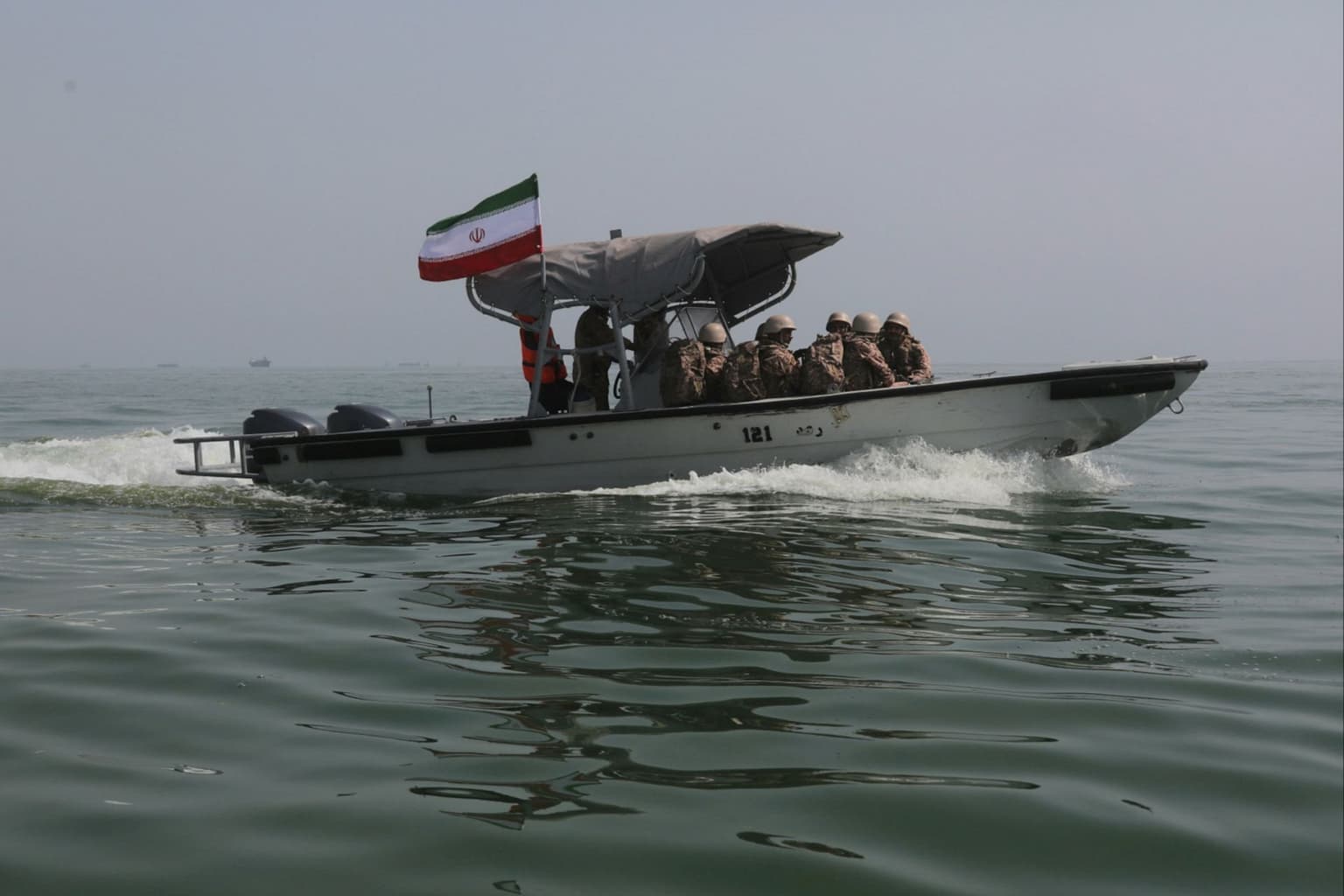
G7 Highlights Crisis in US Leadership
The memorandum was signed in the context of the G7 summit. For Bellizia, the coincidence was symbolic: while Trump was trying to present himself as the “leader” in front of the other imperialist powers, the US itself was forced to formalize its capitulation and strategic defeat in the face of Iran.
“The G7 provided the context in which the memorandum was signed. Bringing these two events together at the same time and in the same place is quite symbolic,” Bellizia said. According to him, when someone in a bourgeois setting feels the need to say “I’m the boss,” it’s a sign that their position of authority is being challenged—a reference to inter-imperialist rivalry and the growing questioning of the US’s status as the sole hegemonic superpower.
Aroeira stated that Trump’s behavior at the G7 was a display of arrogance and stupidity. According to him, the Yankee leader arrived late, declared, “I’m the boss,” and caused discomfort among his own allies. For the cartoonist, this behavior creates enemies even among countries that have historically accepted Yankee dominance.
Aroeira added that the UN has also failed and compared this process to the collapse of the League of Nations, which preceded World War II. According to the guests, the crisis facing international institutions is part of the broader crisis of the old world order.

Fascism and the Crisis of the Old Bourgeois Democracy
The program also addressed the crisis of the old bourgeois democracy and the rise of fascism as an expression of the unprecedented decomposition of imperialism and the bankruptcy of the current historical period. Aroeira stated that he had never seen, in his career, such an intense institutional crisis.
“I had never seen such an intense crisis, institutions so discredited, or the social fabric and the social contracts that underpin everything,” said the cartoonist. According to him, the lack of trust in institutions affects many countries and is reminiscent of the periods of the rise of fascism in Europe.
Eduardo Papa stated that fascism emerged when liberalism could no longer sustain the capitalist system, and that it is resurging today for the same reason. “Fascism emerged when liberalism could no longer sustain the capitalist system, and it is resurging now because of the same problem,” he said.
Bellizia linked this process to the historical failure of bourgeois democracy. According to him, the old system promised a way of life that it failed to deliver. For the AND representative, the sense of manipulation, deception, and resentment produced by this failure can be harnessed by fascism, but it also holds revolutionary potential.
“What was promised was not delivered. Period,” he said. According to Bellizia, fascism appears as a rupture in form designed to preserve the substance of the old order. This contradiction, he said, also tends to bring it down.
Follow on daily basis the news section on Palestine:
Aroeira Points to a ‘Resurgence of Marxism’
In discussing the prospects opened up by the crisis of US hegemony and the old world order, Aroeira stated that he has observed a growing interest in Marxism. For him, this movement reflects a search for theoretical tools capable of understanding the current historical moment.
“I’ve been witnessing a sort of resurgence of Marxism—or of Marxist ideas—and I like it,” he said. “I think they’re beginning to develop the tools we need—including theoretical tools—to make a revolution.”
Eduardo Papa stated that communism has grown exponentially in the US, commenting on the growing interest in socialist and communist ideas among young people. Aroeira also noted that, during Trump’s first term, the word “socialism” skyrocketed in Google searches in the US.
Recent surveys in imperialist countries help illustrate this shift. A Gallup poll released in 2025 found that capitalism’s approval rating had fallen to its lowest level ever recorded in the US, and that young people aged 18 to 34 expressed greater support for socialism than older age groups. An Axios-Generation Lab survey, also from 2025, found that college students in the US viewed socialism more positively than capitalism. Another survey, conducted by Harvard, found low levels of trust among young people in US institutions, including Congress, the presidency, and the Supreme Court.
For AND, as Bellizia summarized, this movement does not mean that the revolution is imminent or that socialism will emerge spontaneously. He points out, however, that young people are now seeking explanations beyond the decadent bourgeois ideology and reconsidering the tools of Marxism amid the crisis of the old world.
Socialism is a relatively new idea in history, says Bellizia
Bellizia stated that socialism and communism are historically young. In response to Aroeira’s remark about the resurgence of Marxism, the director-general of AND compared the development of socialism to that of the bourgeois democratic revolution, which took centuries to take root.
“Every revolution is like that. The bourgeois democratic revolution was like that, too. It went through waves, and the bourgeois democratic revolution took 350 years to take root,” he said. “This idea of socialism is extremely young; historically, it’s still in its infancy. Perhaps that’s why, in the first wave, it stumbled.”
This formulation relates to the central thesis defended by AND: the decline of Yankee imperialism and the crisis of the old world order usher in a new period, but this process will be neither automatic nor brief. The replacement of this mode of production with socialism will depend on the conscious struggle of the proletariat and the oppressed peoples.
For AND, the World Proletarian Revolution has two currents: the international proletarian movement as the vanguard and the national liberation movement as the base. The defeat of Yankee imperialism in Iran, coupled with the defeats in Afghanistan and Palestine, reinforces the role of the oppressed nations in ushering in this new historical period.
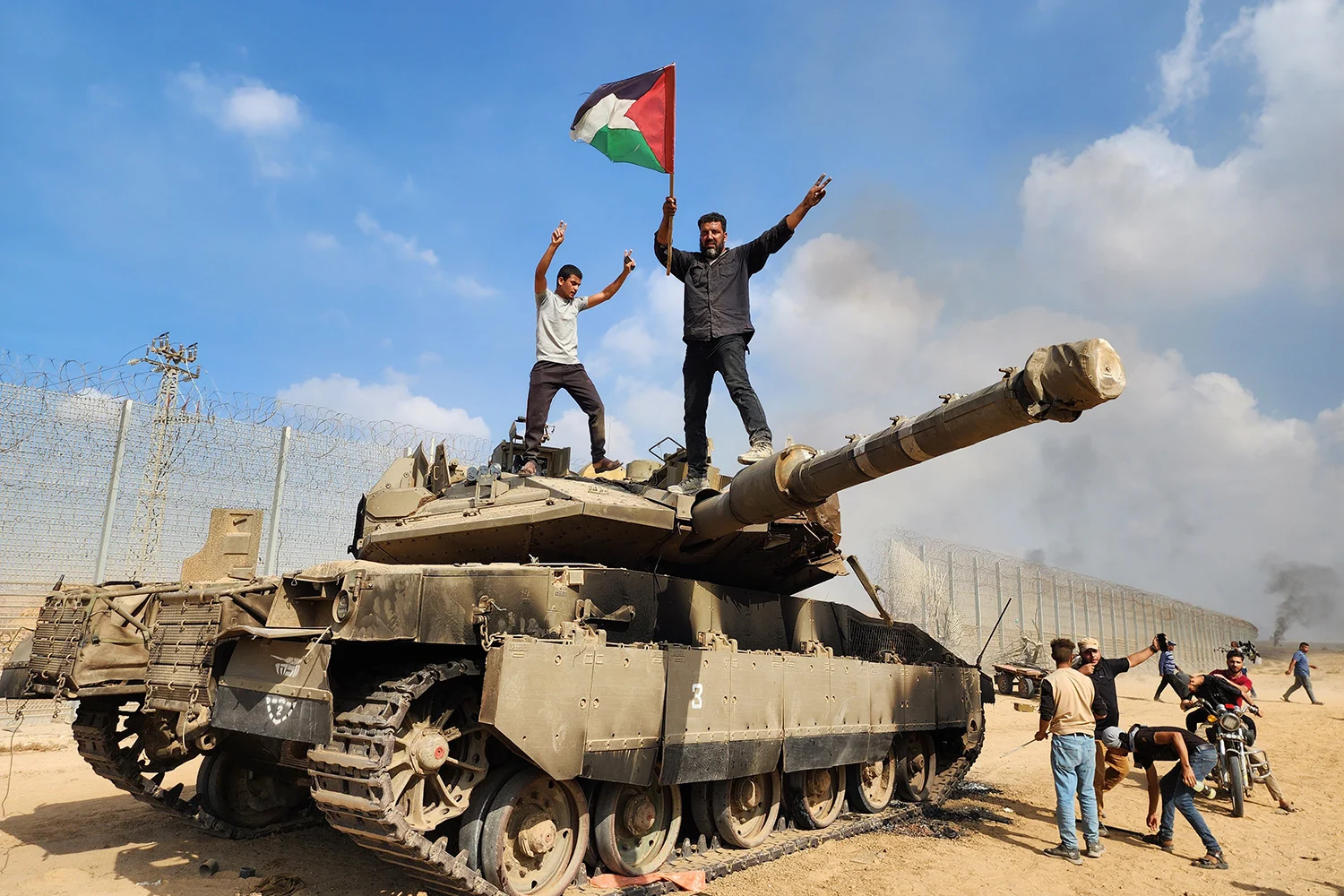
The US is in decline, but it remains a threat to the people
Speaking on behalf of AND, Bellizia warned that the decline of Yankee imperialism does not eliminate the danger of new acts of aggression. On the contrary, the loss of hegemony tends to make Washington more aggressive, especially toward Latin America, where the US will seek to reaffirm even greater levels of submission.
The AND representative stated that, “from Cuba southward,” including in Venezuela and South America, the demand for vassalage tends to grow. According to him, at a time when its authority is being questioned, imperialism needs to reaffirm “more and more submission.”
Aroeira and Papa also linked this trend to Brazil. According to the guests, the crisis in the United States increases Latin America’s strategic importance and intensifies attempts at interference. Papa highlighted the existence of a fifth column in Brazil, including within the Armed Forces, which has historically been trained to serve the interests of imperialism.
Aroeira stated that, with its loss of prestige in Europe, its expulsion from the Middle East, and its loss of influence in the East in the face of China, the US tends to cling to whatever it can still contest. “The big problem is that they’re being driven out of the entire world—and where will they cling to? Here,” he said.
For AND, this situation confirms that the crisis of US hegemony does not usher in a period of peace, but rather one of greater conflict between imperialism and oppressed peoples. The Iran-US memorandum confirms a crushing defeat for US imperialism, but also heralds new attempts at aggression, blackmail, and intervention against the peoples who are rising up.
The position defended by AND was that the memorandum marks the end of one historical era and the dawn of another. “Pax Americana,” US global hegemony, and imperialism’s general counterrevolutionary offensive have been dealt blows by Iran, Palestine, Afghanistan, and all the peoples who resist. The new era, however, will only be fully established through the struggle of the proletariat and the oppressed peoples for socialism and communism.