Kaingang Indigenous People Resist Expulsion by Latifundium and Denounce Corrupt Peasant Leader in Brazil
We hereby share an unofficial translation of an article published by A Nova Democracia (AND).
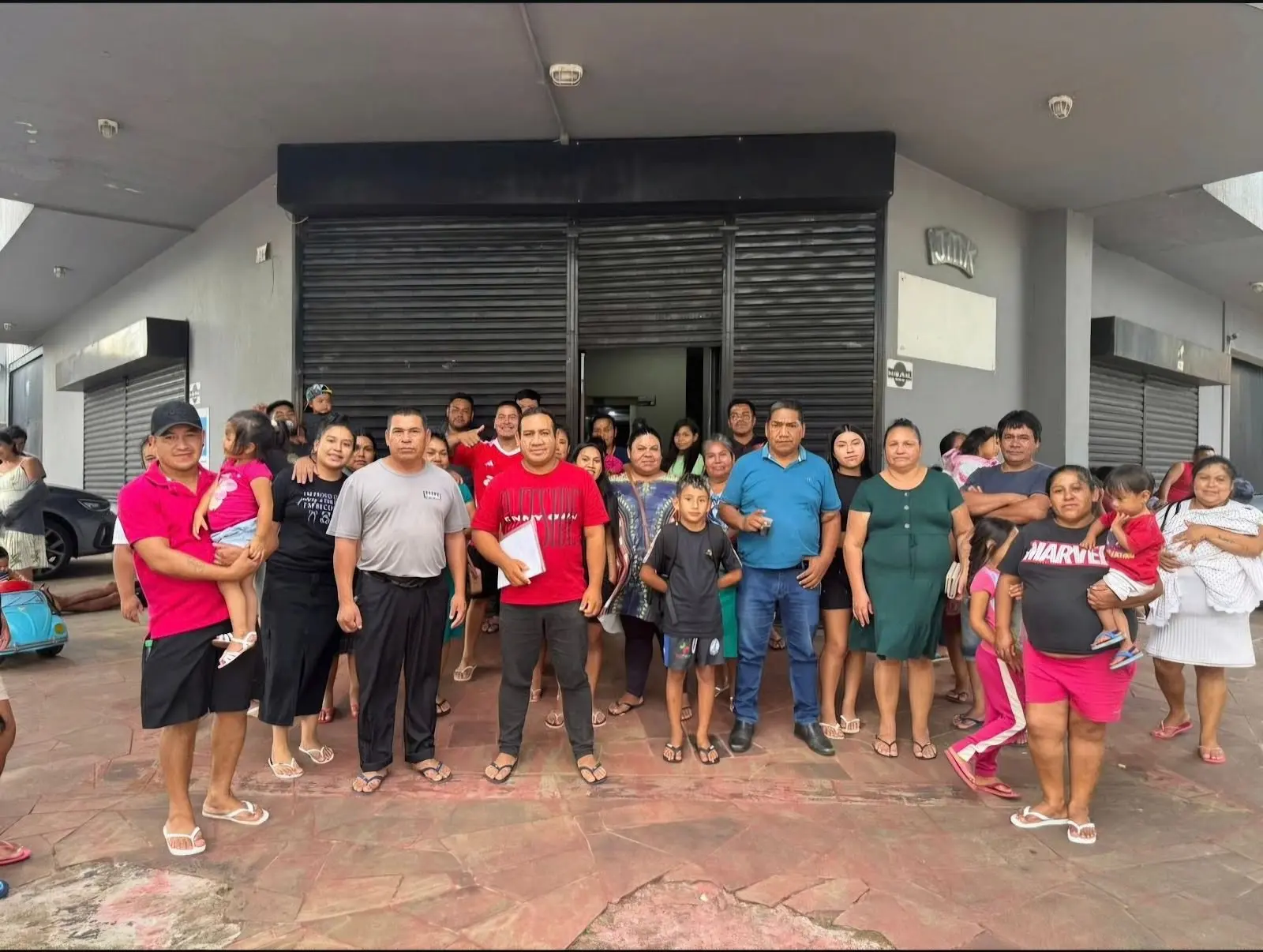
On March 17, a local correspondent from AND interviewed Fredenildo Antônio, a representative of a group of Kaingang indigenous families from the Ligeiro Reserve in the municipality of Charrua in Rio Grande do Sul (RS), who are mobilized in front of the National Foundation of Indigenous Peoples (Funai) in Passo Fundo. The reason for the mobilization was the advance of latifundium against indigenous lands, with support from the current indigenous leader of the Reserve.
The families have lived in the Reserve for about 50 years. Fredenildo reported to the correspondent the complaints made about the leasing of lands for soybean cultivation by latifundium on the lands of local families, and the illegal deforestation of araucaria trees within the Reserve carried out by the leadership and their group, installing mobile sawmills to sell the wood to latifundium. The method used for the leasing consists of the persecution and expulsion of families that have lands of 40 to 50 hectares.
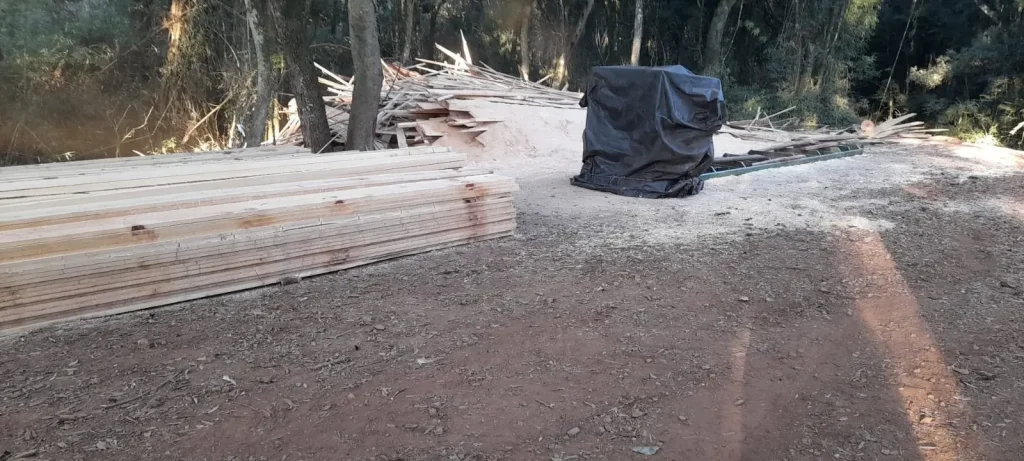
These complaints were formalized by the families, with evidence of the crimes committed attached, and were sent to Funai, the Federal Police (PF), and the Federal Public Ministry (MPF). According to the representative, the documents were sent about 15 days ago, and the families who filed the complaints suffered retaliation from the leaders through persecution and subsequent expulsion from their homes. All of them were initially sheltered in Tapejara, which according to Fredenildo “has no commitment to us; it is the municipality of Charrua that has this commitment to us.”
The old State has neglected the serious crimes committed in the Reserve and thus allowed harm to the housing and education of the families. The expelled families have been without going to school for almost a month, while also facing the cold and precarious shelter conditions. The group then mobilized in Passo Fundo at the doors of Funai to demand their rightful land rights, requiring the old institutions to guarantee and ensure their safe return to Charrua and the immediate removal of the indigenous leadership, as Fredenildo pointed out: “they just need to go there to see that we are telling the truth.”
The Indigenous Leadership is Armed by Latifundium
The correspondent was informed about the indigenous leader’s actions as paramilitaries for the latifundium. The weapons would be passed to the leadership through settlers who seek illegal extraction of araucaria in the Reserve and leasing for soybean planting. When asked by Fredenildo about the weapons, he responded that they are of large caliber and automatic, recounting a situation where residents found rifle casings in a location within the Reserve.
Episodes of armed violence have already occurred, the most recent situation resulted in three residents being killed, and the representative of the families expressed his fears about the situation, stating that they seek through mobilization to obtain guarantees of return and conflict resolution from the old State, to prevent the existing situation of violence from becoming generalized, as occurs in the Ventarra Reserve in Erebango. He acknowledged that the families are totally willing to enter into conflict to expel the leadership.
In addition to Fredenildo, other members of the mobilized families reported to the correspondent the racist attacks that the leader has made against the Kaingang who denounce him, calling them “vagabonds,” and to defend himself he fabricates lies by posing as a victim and saying that those who denounced are attacking him. According to the mobilized indigenous people, the leader in the Reserve calls himself the “owner” of the lands.
Rio Grande do Sul has experienced various episodes of the offensive by local big landlords to appropriate indigenous lands in general, using hired goons inside and outside the lands to cause shock and force the action of the repressive forces of the old State, represented by the Federal Police and the National Force, seeking to strike at indigenous resistance and struggle. The latifundium receive institutional support from reactionary politicians and the local garbage press, both communicators who criminalize the indigenous people, their land demarcations, and their just mobilizations.