Colombia: Massive Demonstrations on International Workers’ Day
We hereby share an unofficial translation of the May Day report published by Nueva Democracia of Colombia on the 7th of May.
On Friday, May Day, the country observed International Workers’ Day. Thousands of people took to the streets, some as individuals but mainly as part of organizations, chanting various slogans to defend the rights they have won from the big-bourgeois, big landlord State, and to denounce those rights that are being systematically stripped away from the working class.
In Medellín, the massive turnout was striking. A wide variety of unions from different industrial sectors operating in the city participated. In addition, groups organized around neighborhood demands for housing and education were also present, extending the collective demands of the proletariat to issues that go beyond the workplace and affect the living conditions of the city’s wealth producers.
One example of this is the Popular Support Network, which brings together activists fighting for the social rights of the residents of Granizal, a village located northwest of the city of Medellín, which is Colombia’s second-largest informal settlement. The activists demanded improved educational conditions for the village’s girls and young women, as well as access to clean drinking water—rights that have been systematically denied to the residents of Granizal.
The march proceeded peacefully, especially given the presence of Gustavo Petro, which is why the efforts of the majority of the pro-electoral sector of the demonstration were directed toward co-opting the march in line with the government’s current agenda, such as the call for a Constituent Assembly, and the presidential campaign for the Pacto Histórico candidate Iván Cepeda Castro. Given this presence, the march also saw a large deployment of police and military forces around Plaza Alpujarra and Parque de las Luces, the city’s center of power where Petro appeared.
The critical, independent, and revolutionary wing of the march called for a focus on the fundamental demands of the proletariat, emphasizing the persistence of exploitation and oppression under the self-proclaimed “government of change.” Graffiti protesting the poor conditions of public transportation and denouncing the oppression of small shopkeepers by large commercial monopolies such as D1 stores were among the messages the people wrote on the walls.
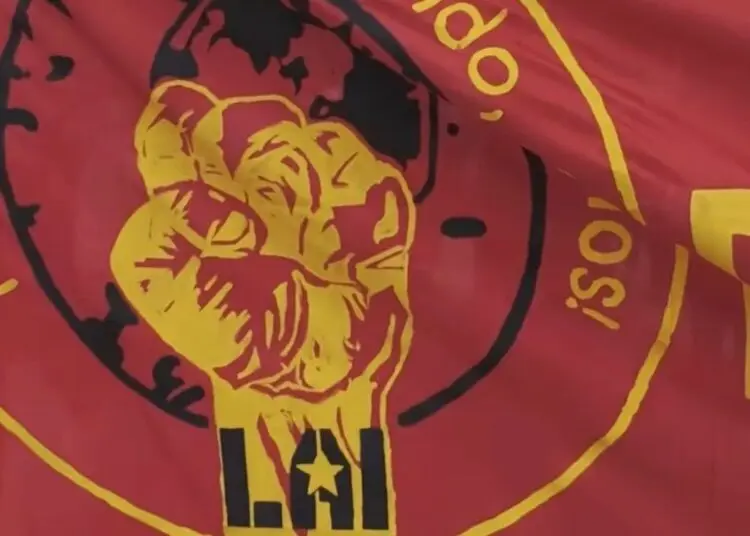
Young students and workers united by anti-imperialism spoke out against the exploitation of the people and in support of the ongoing national liberation and anti-imperialist struggles around the world, particularly in Palestine and Iran. Young anti-fascists and anarchists also expressed their views through slogans, leaflets, banners, and graffiti, demonstrating a critical stance toward the current government and the state as a whole. Global organizations such as the International Anti-Imperialist League (AIL) were also part of this political movement, which is independent of the pro-government camp.
In other major cities across the country, the working class also took to the streets to mark this historic day. Bogotá, Cali, Cartagena, and Barranquilla—cities that are home to a significant portion of the country’s industrial working class. In Bogotá, the march began at the historic National Park and ended at Plaza de Bolívar, where various speeches were delivered reflecting the range of political perspectives currently shaping the city’s labor movement; notably, the most pro-government faction dominated the event with a speech by presidential candidate Iván Cepeda Castro.
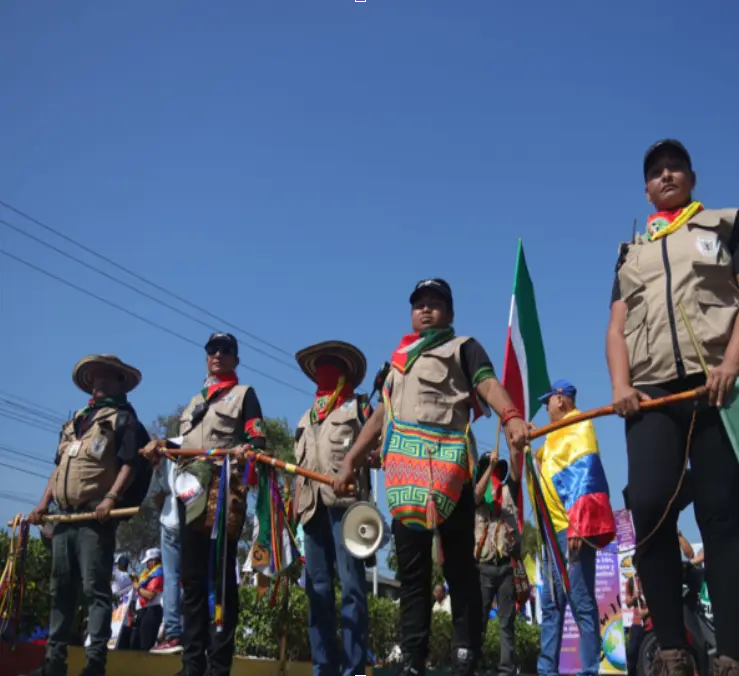
In Barranquilla, the march took place along Avenida de la Cordialidad, one of the city’s main thoroughfares. In a symbolic gesture, a U.S. flag was burned, demonstrating the Caribbean proletariat’s widespread awareness of imperialist domination in the country. The indigenous movement had a strong presence in the march, led by the Mokaná Indigenous Guard.
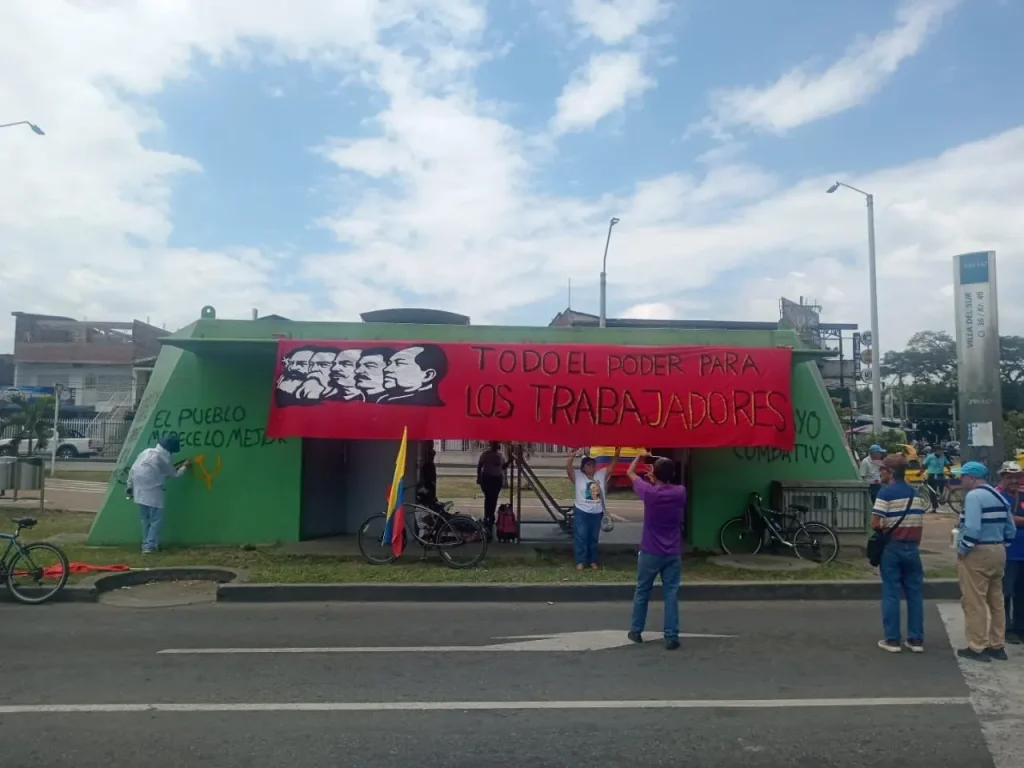
In Cali, the demonstration was also marked by popular criticism of the MIO public transportation system, a common theme in all cities with similar transportation systems, where the poor quality and limited coverage of services do not justify the high cost to workers. There, too, various grassroots organizations displayed their symbols on the walls.
In Cartagena, the march passed through several of the city’s tourist areas, with workers from the hotel industry playing a prominent role. Also participating were workers from the informal sector, which is one of the key pillars supporting the economic livelihoods of the city’s working class.
In total, 67 demonstrations were recorded across the country.